QUESTIONS? CALL US AT 715.790.1322

6.5 Grendel Ballistics | 129gr Nosler AccuBond LR

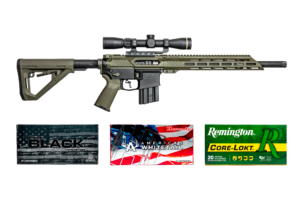
Caliber: 6.5 Grendel | Barrel Length: 22” | Test Distance: 100 & 425 Yards

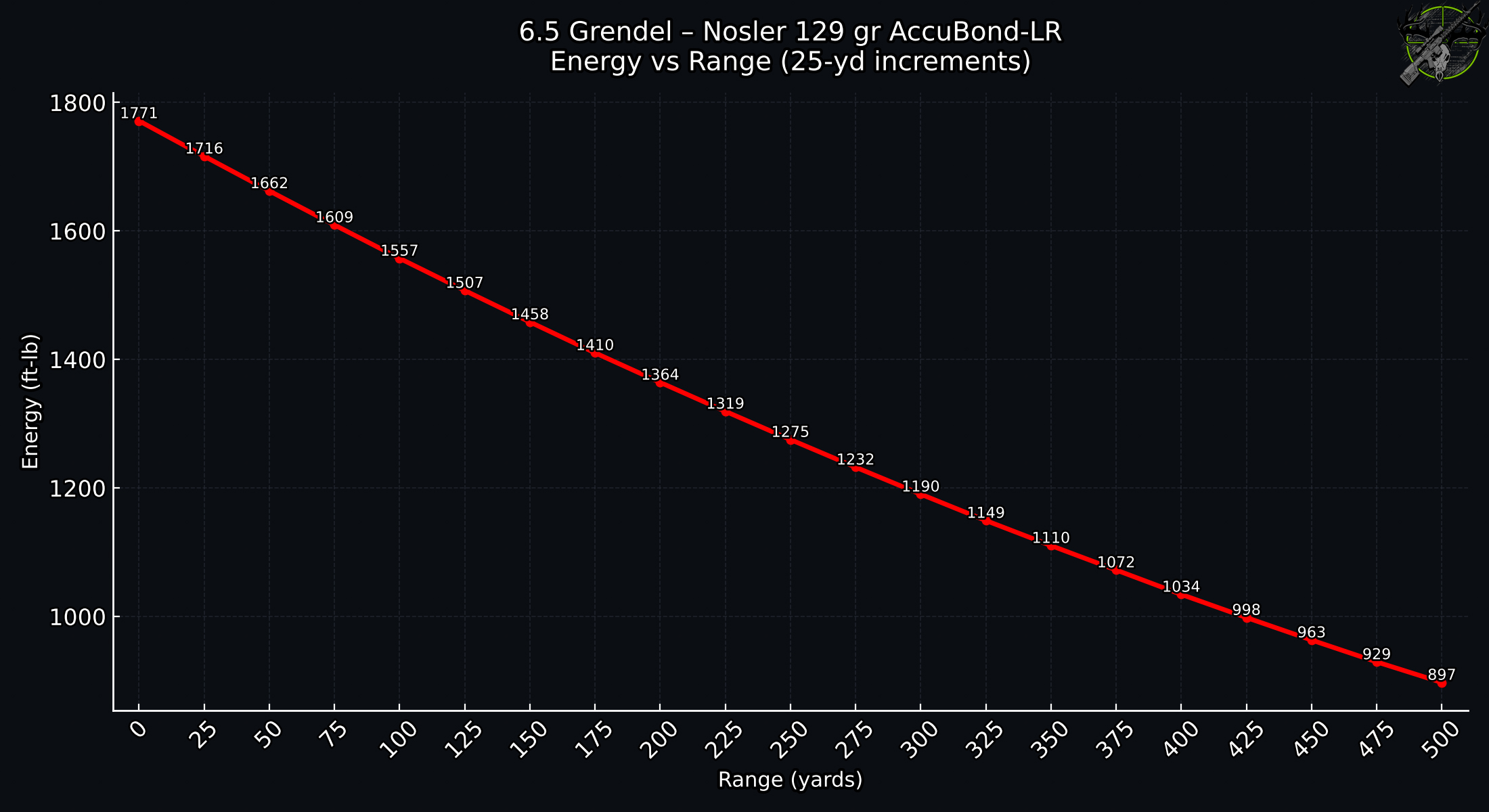
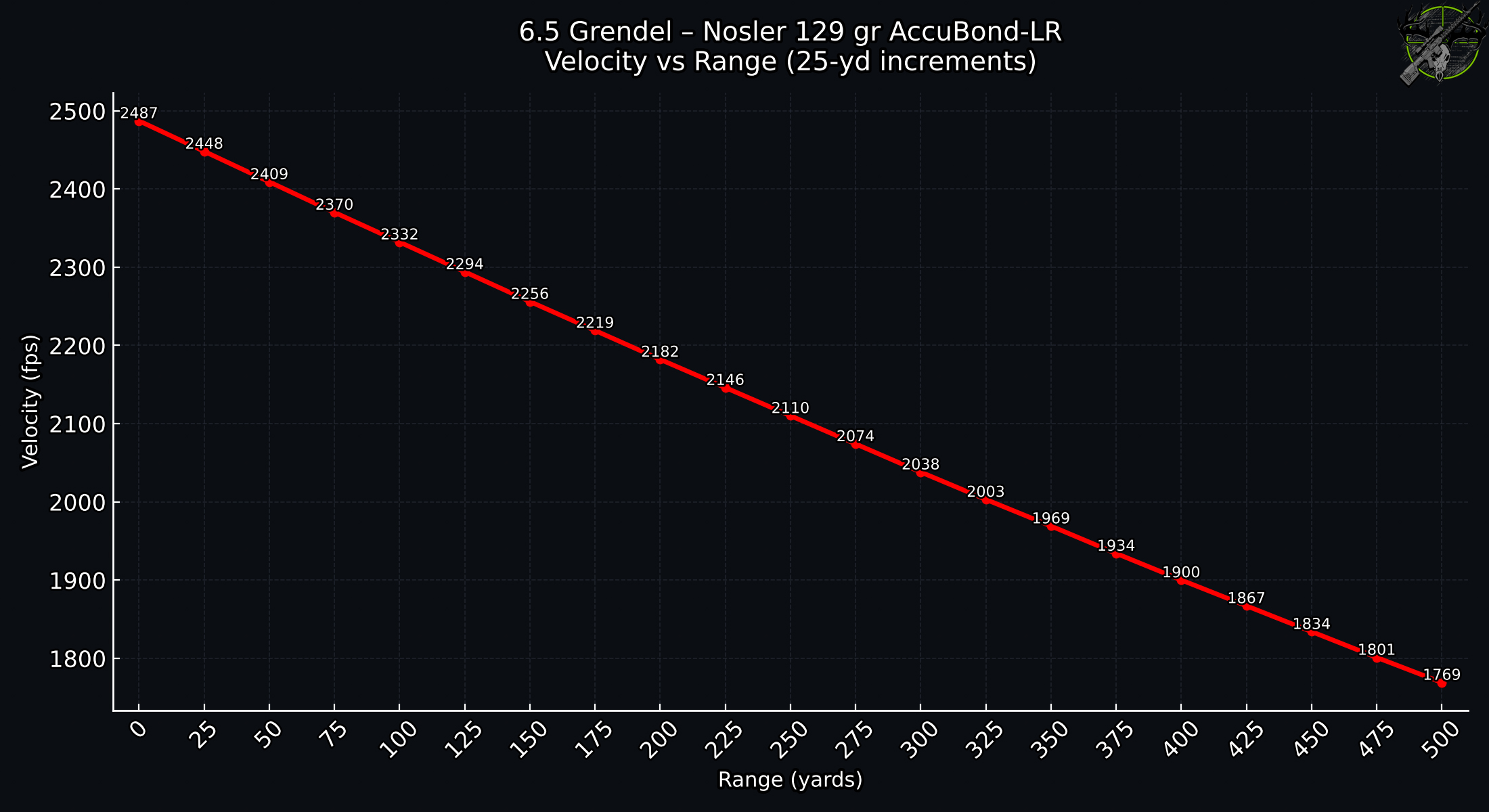
Bullet: 129gr Nosler AccuBond LR (.530 B.C.) | Muzzle Velocity: 2,487 FPS | Muzzle Energy: 1,771 FT/LB | S.D. 16 FPS 

Temperature: 82 ℉ | Humidity: 85% | Barometric Pressure: 29.8 inHg | Altitude 1,000 FT

Druid Hill Armory 6.5 Grendel 129gr AccuBond LR Performance

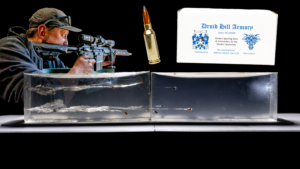
Is the 6.5 Grendel a true 400-yard hunting cartridge? In this post and video, we’re taking a deep dive into the 129gr Nosler AccuBond LR (Long Range) load from Druid Hill Armory.

The AccuBond LR is a bonded, high-BC bullet designed specifically to solve the “long-range expansion” puzzle. According to Nosler, the proprietary bonding and sleek boat-tail design allow for rapid expansion and deep penetration across a massive range of velocities.

While ballistic gel isn’t a perfect substitute for hide, bone, and vitals, it is the best tool we have for a controlled, apples-to-apples comparison. To get a clear look at the terminal ballistics and potential expansion of the AccuBond LR, we used 10% gel from Clear Ballistics as a controlled environment to see how this load stacks up at two critical distances.

Our Testing Methodology

We didn’t just pick distances at random. We wanted to see how the terminal ballistics shifted between a standard “woods” shot and a “stretched” long-range shot:

  • 100 Yards (2,332 FPS | 1,557 FT/LB): This represents the range at which the vast majority of hunters take their shots. We wanted to check for jacket-core separation or excessive fragmentation at higher impact velocities.

  • 425 Yards (1,866 FPS | 997 FT/LB): This is the “threshold.” Based on our ballistics calculations, this is where the bullet drops to roughly 1,000 ft-lb of energy. Since this has become the popular “yardstick” for the ethical taking of medium game, we wanted to see if the bullet actually performs when the energy starts to bleed off.

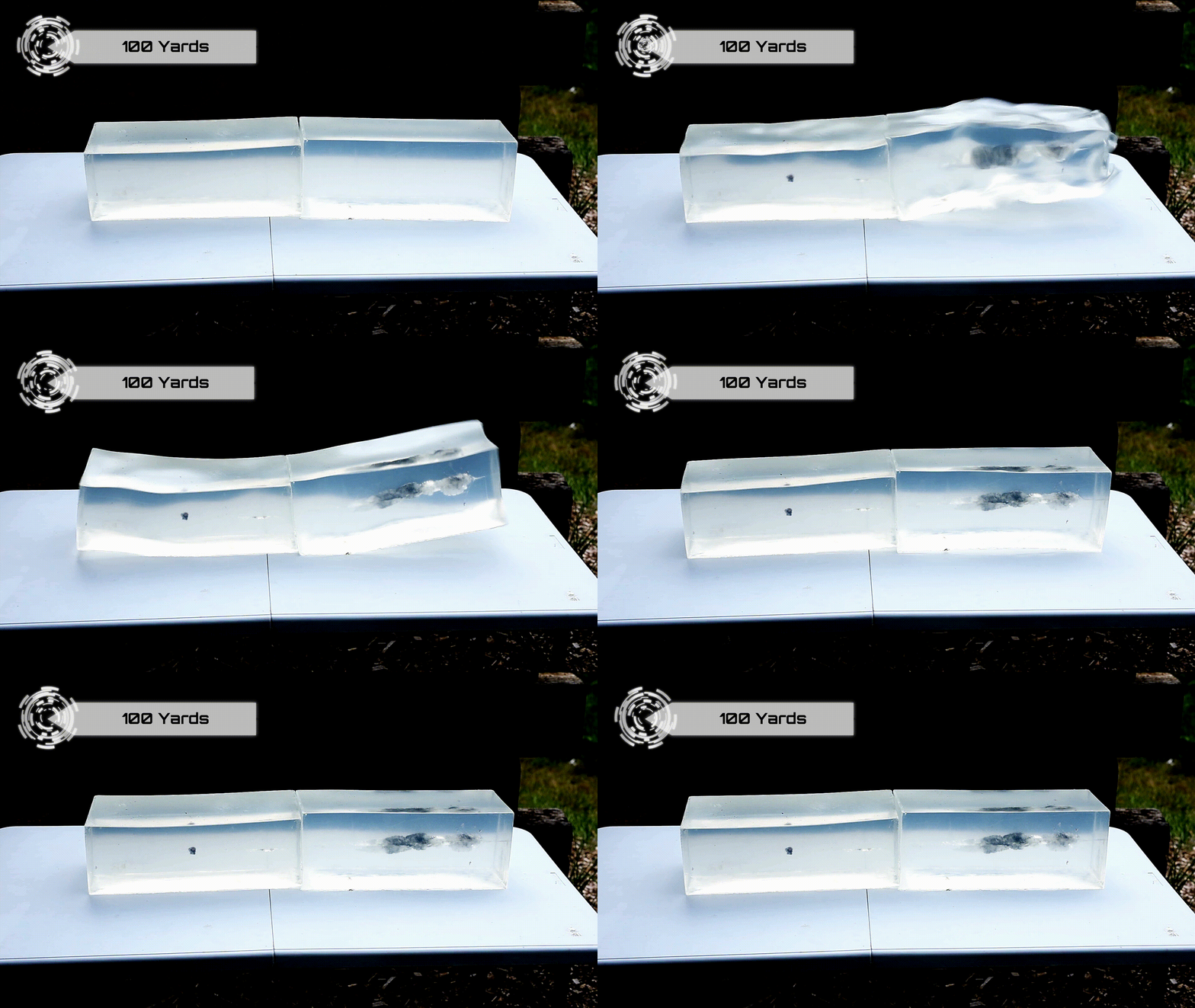
Below, you’ll find the full breakdown—including high-speed gel GIFs and terminal performance photos—to see if the 129gr AccuBond LR is the right choice for your next hunt.

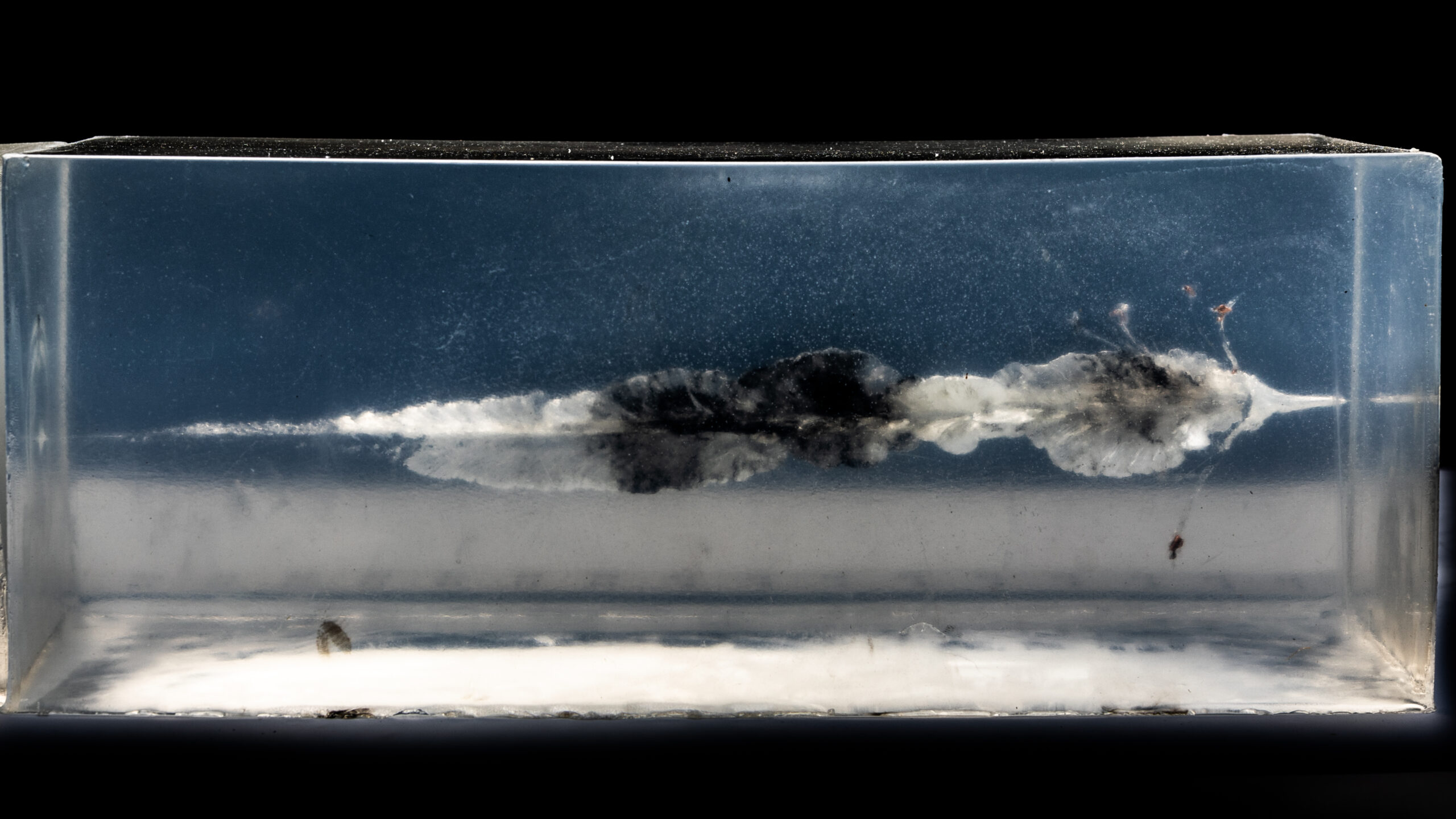
100-Yard Gel Test: Terminal Ballistics and Expansion

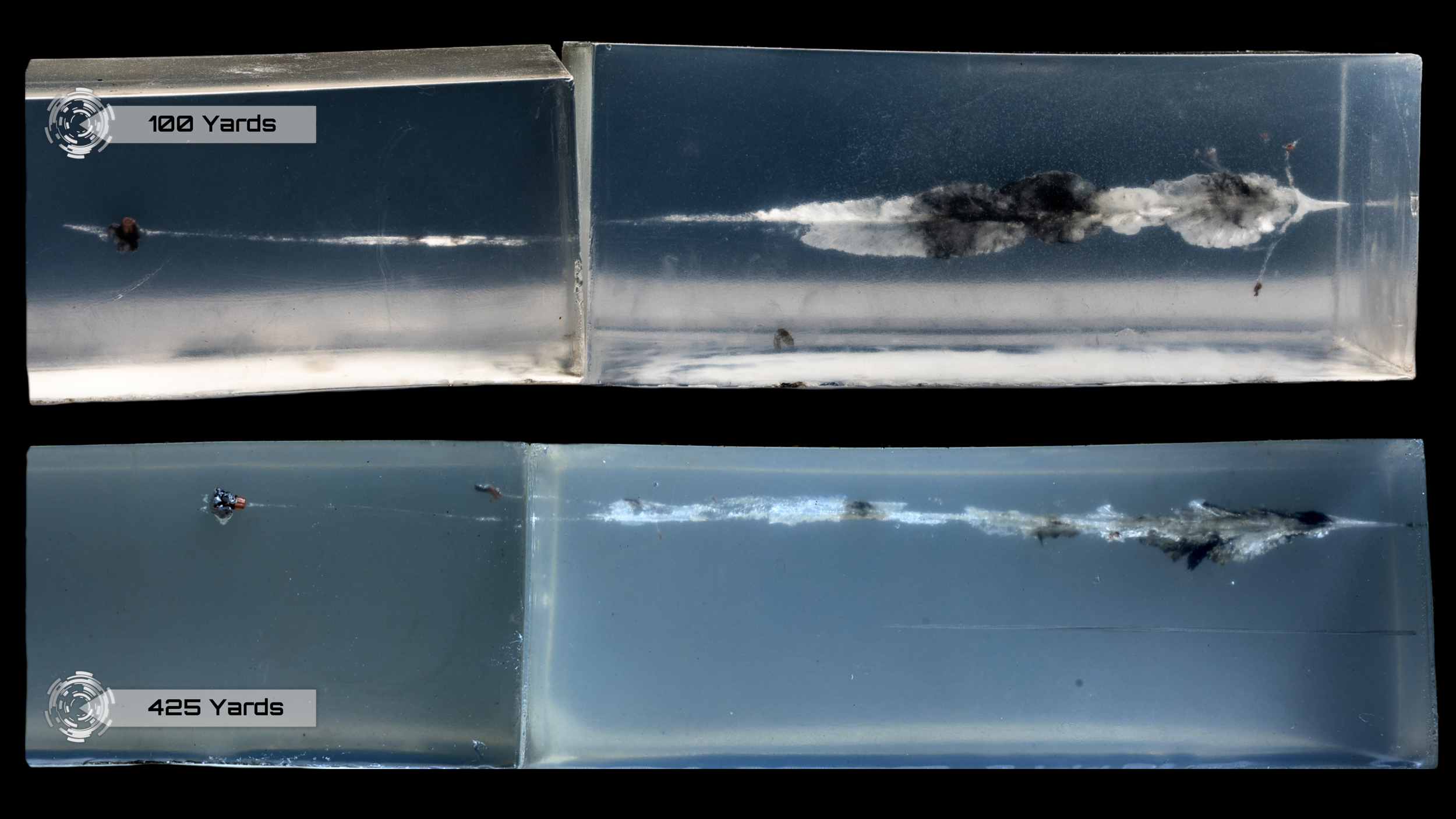
At 100 yards, we wanted to see how the 129gr AccuBond LR handled higher impact velocities. The results were excellent—proving that this “Long Range” bullet can still hold its own in a standard “woods” hunting scenario without falling apart.

Terminal Performance & Wound Channel

The bullet began expanding almost immediately, with initial upset occurring just 1.5″ into the gel. At this point, the main wound cavity opened up significantly and maintained nearly its full diameter out to the 12″ mark.

  • Fragmentation: We observed three distinct copper fragments from the tip shed early on, traveling roughly 2 inches away from the primary wound track.

  • Lead Retention: While there were minor lead specks throughout the channel, they were primarily concentrated in the first 6″ of penetration.

  • Deep Penetration: The jacket and core remained together and punched through 25″ of 10% gel, coming to rest deep in our second block.

Recovery Data: 100 Yards

The recovered projectile tells the story of a very successful terminal event. Despite the high-speed impact, the proprietary bonding kept the bullet together.

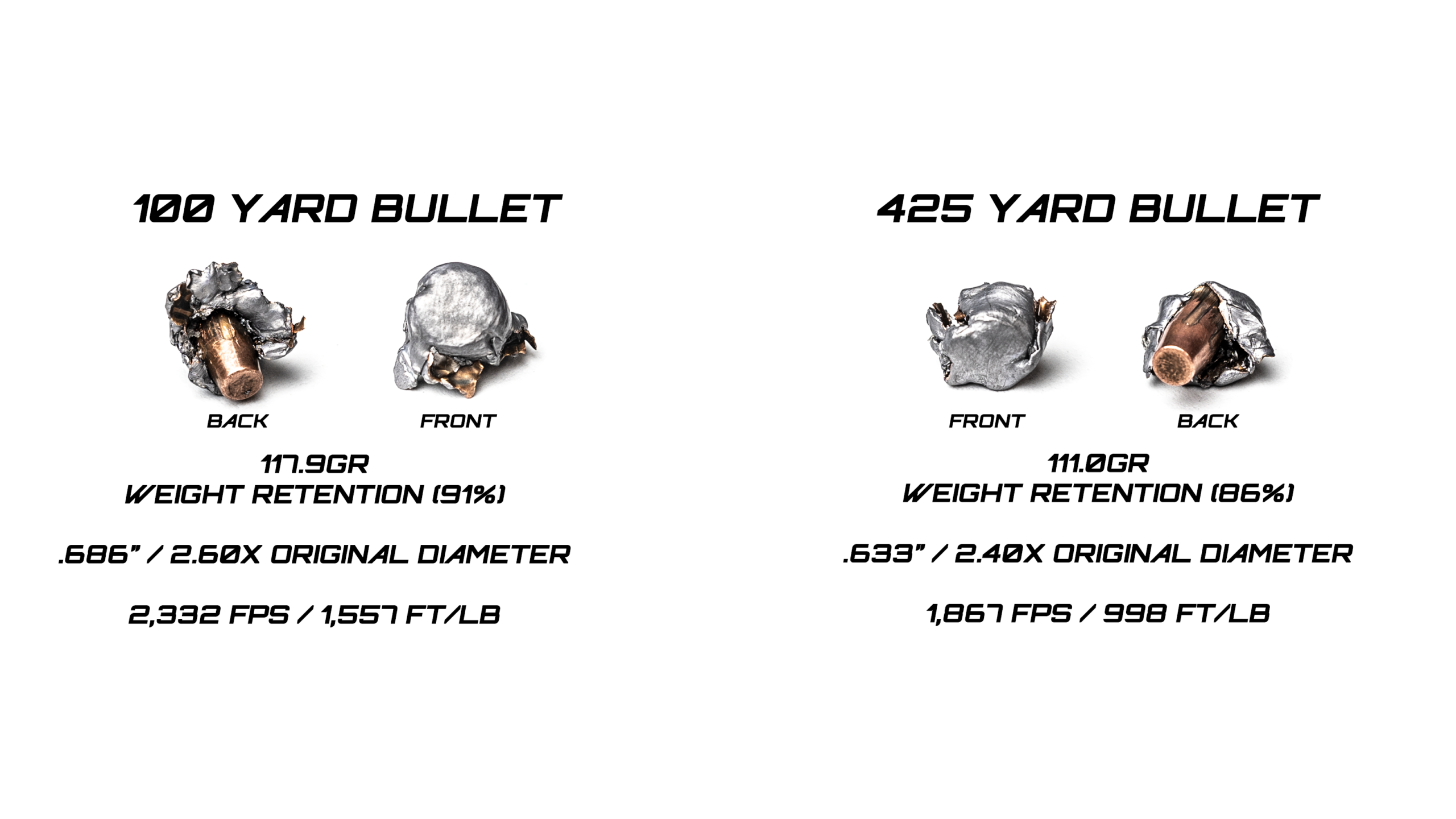
  • Expanded Diameter: .686″ (An impressive 2.6x its original diameter).

  • Weight Retention: 117.9gr (91% of its original weight).

The Verdict at 100 Yards: This is textbook performance. You get a large, long temporary cavity that suggests significant tissue damage, but enough weight retention and sectional density to ensure the bullet reaches the vitals from almost any angle.

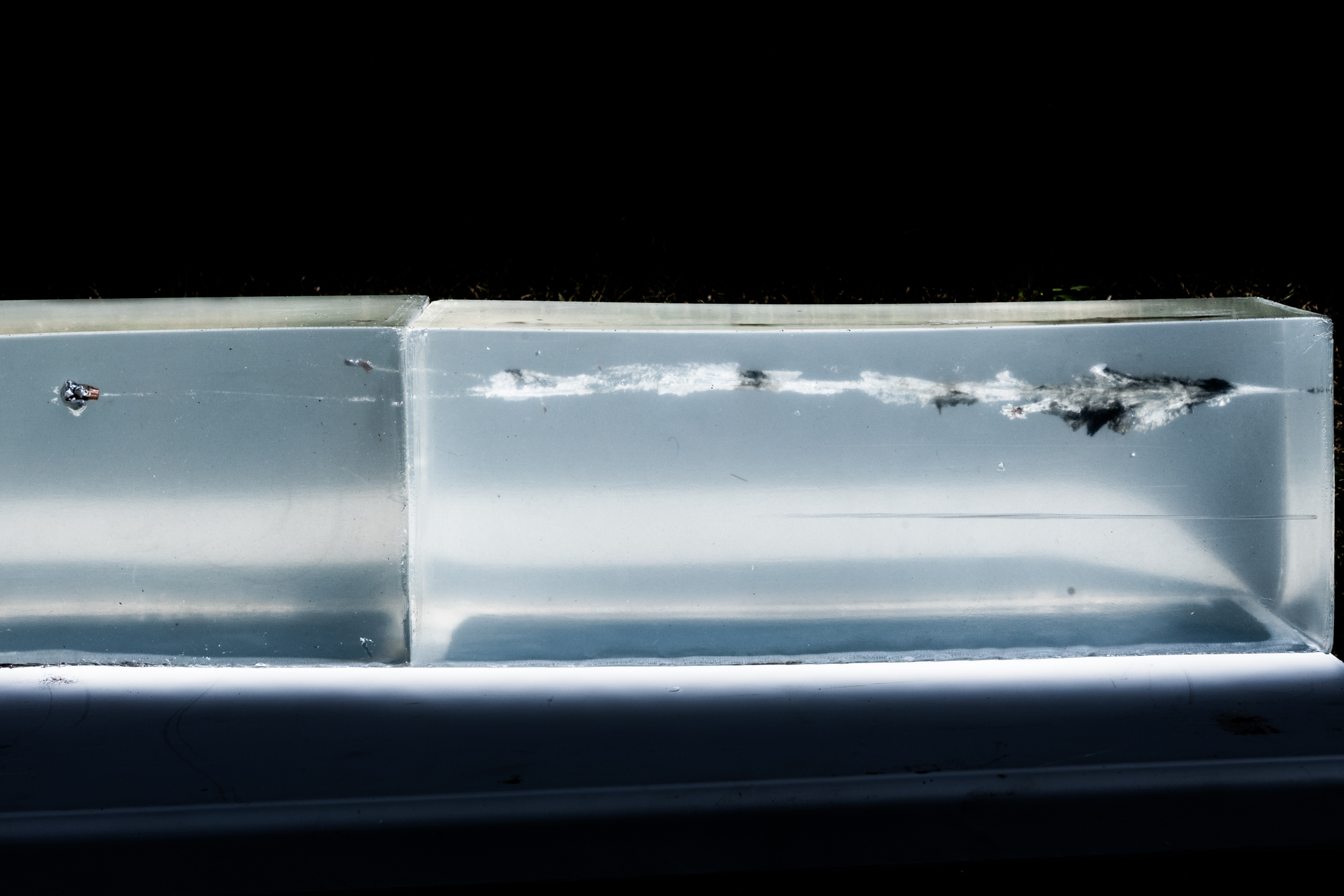
425-Yard Gel Test: Testing the 1,000 ft-lb Energy Threshold

At 425 yards, most 6.5 Grendel loads have exceeded their ethical limit for medium game. At this distance for the Druid Hill Armory 129gr Nosler AccuBond LR though, our calculations showed the bullet still maintaining roughly 1,000 ft-lb of energy. We wanted to see if the “Long Range” design would still provide reliable expansion and penetration at these lower impact velocities.

Terminal Performance at the Energy Threshold

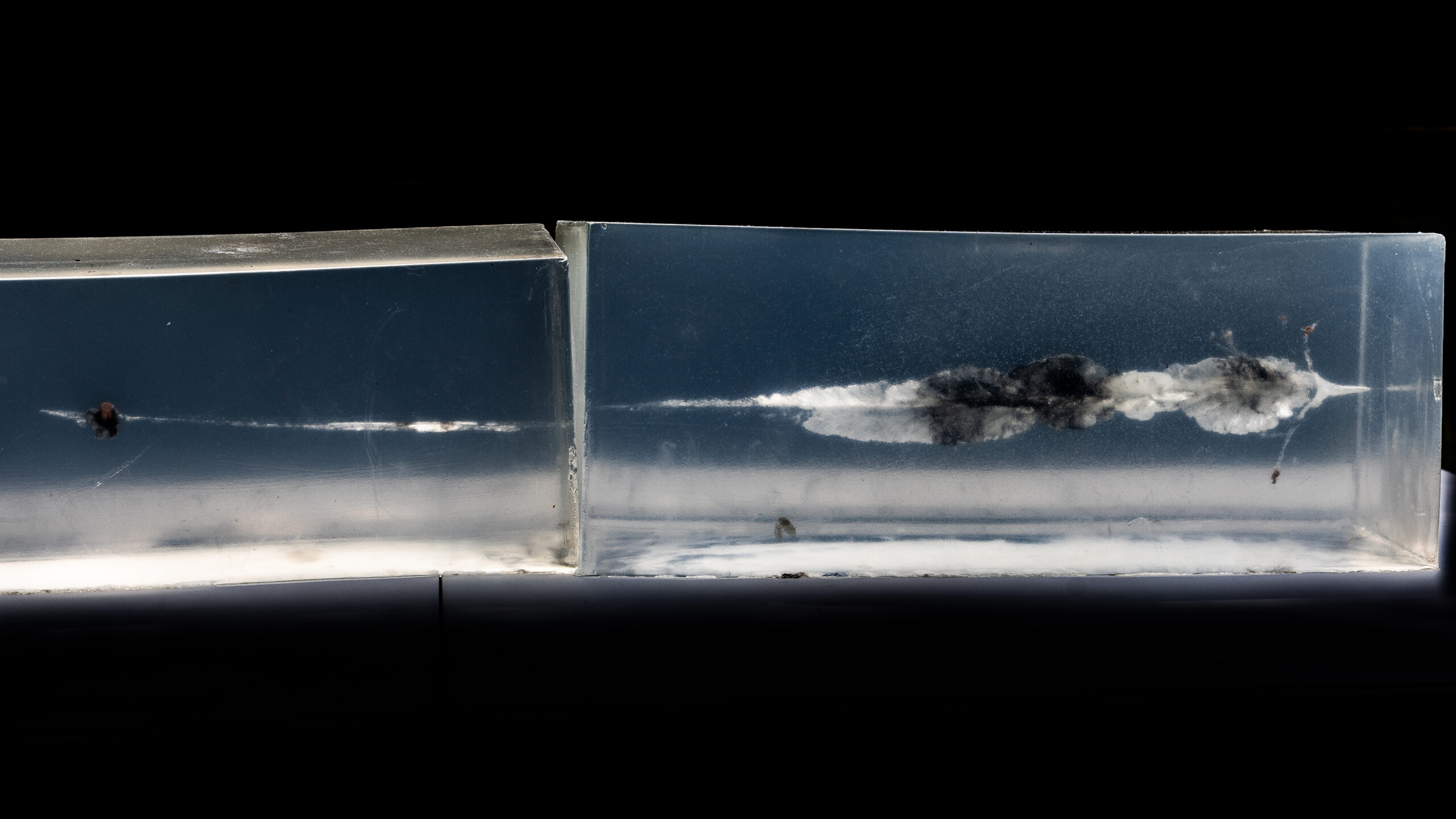
The bullet proved incredibly consistent, initiated expansion at the exact same 1.5″ mark as it did at 100 yards. While the wound channel wasn’t quite as violent as the close-range test, it was surprisingly robust for a long-distance hit.

  • Wound Channel: The primary cavity stretched from 1.5″ to 15″, with the most significant disruption occurring in the 1.5″ to 5.5″ zone.

  • Fragmentation: We saw a slightly different shedding pattern here. One sizable piece of the copper jacket broke away at the 5.5″ mark, and another at 17″. Overall, the bullet stayed together well, with only small traces of lead and copper along the path.

  • Reliable Penetration: Even with the bleed-off in velocity, the bullet traveled through 22″ of gel, showing that it has more than enough “punch” to exit a deer-sized animal at over 400 yards.

Recovery Data: 425 Yards

The recovered projectile at this range is a testament to Nosler’s engineering. It managed to mushroom almost as wide as the 100-yard shot despite the drop in energy.

  • Expanded Diameter: .633″ (Still a massive 2.4x expansion).

  • Weight Retention: 111gr (86% retention).

The Verdict at 425 Yards: While many bullets can expand at this range, the 129gr AccuBond LR truly thrived. Achieving a 2.4x expansion at this distance is highly impressive, especially when you consider the velocity drop. These results—both in diameter and the 22″ of penetration—confirm that the 6.5 Grendel remains a lethal, ethical option as it approaches that 1,000 ft-lb energy threshold.

Summary: Is the 129gr AccuBond LR the Ultimate Grendel Load?

The 6.5 Grendel is often underestimated, but this test proves that with the right projectile, it’s a heavyweight contender. The Druid Hill Armory 129gr Nosler AccuBond LR delivered exceptional consistency, maintaining a 2.4x expansion ratio and over 20″ of penetration even as it approached the 1,000 ft-lb energy threshold at 425 yards. Whether you’re hunting tight timber at 100 yards or stretching out across a field, this load provides the terminal performance and weight retention needed for a clean, ethical kill.

Charts