
90gr vs 115gr Barnes TAC-TX | How Do They Perform at 500 Yards?
90gr vs 115gr Barnes TAC-TX | How Do They Perform at 500 Yards?


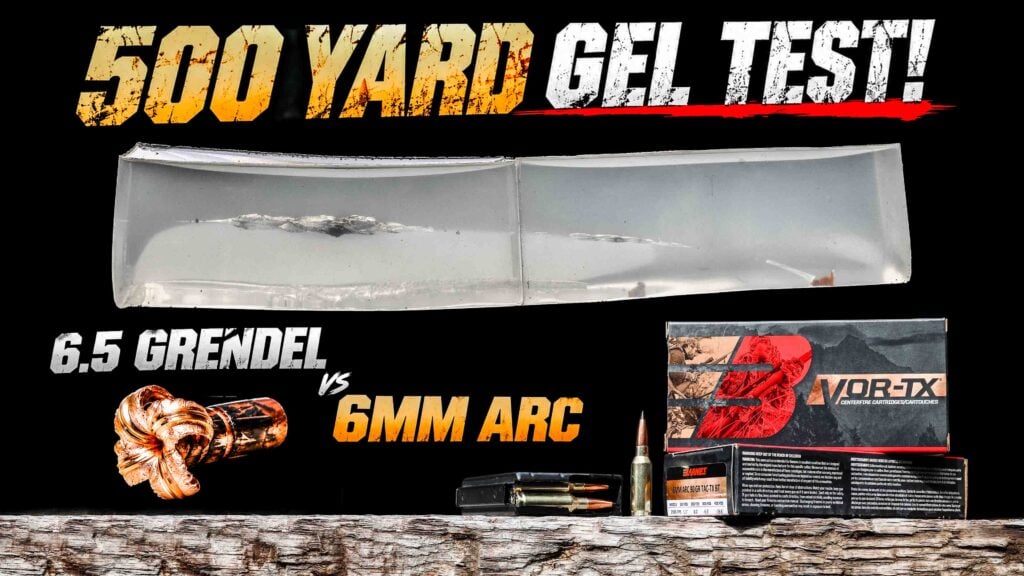
How do the Barnes TAC-TX bullets perform when you stretch them all the way out to 500 yards?
In this test, we’re putting the Barnes 115gr TAC-TX in 6.5 Grendel and the Barnes 90gr TAC-TX in 6MM ARC through ballistic gel at 100, 300, and 500 yards to see how velocity, energy, expansion, and penetration change as distance increases.
Both cartridges are being tested using Grendel Hunter AR-15 uppers with 22″ barrels. We’ll compare the results at each distance and see how these two all-copper Barnes hunting bullets perform as velocity starts to drop off at longer ranges.
Our goal isn’t to declare a single “winner,” but to provide objective data that hunters can use when choosing ammunition. While ballistic gel can’t perfectly replicate an animal, it does provide a consistent medium for comparing bullet behavior under identical conditions. We hope these results help you make a more informed decision the next time you’re selecting a hunting load.
Let’s dive into the results.

Tests conducted with a 22″ 6.5 Grendel Upper & 22″ 6MM ARC Upper.
Muzzle velocities measured with a chronograph using 10 round strings.
6.5 Grendel 115gr Tac-Tx | 100 Yard Test
100 Yards — 6.5 Grendel 115gr Barnes TAC-TX
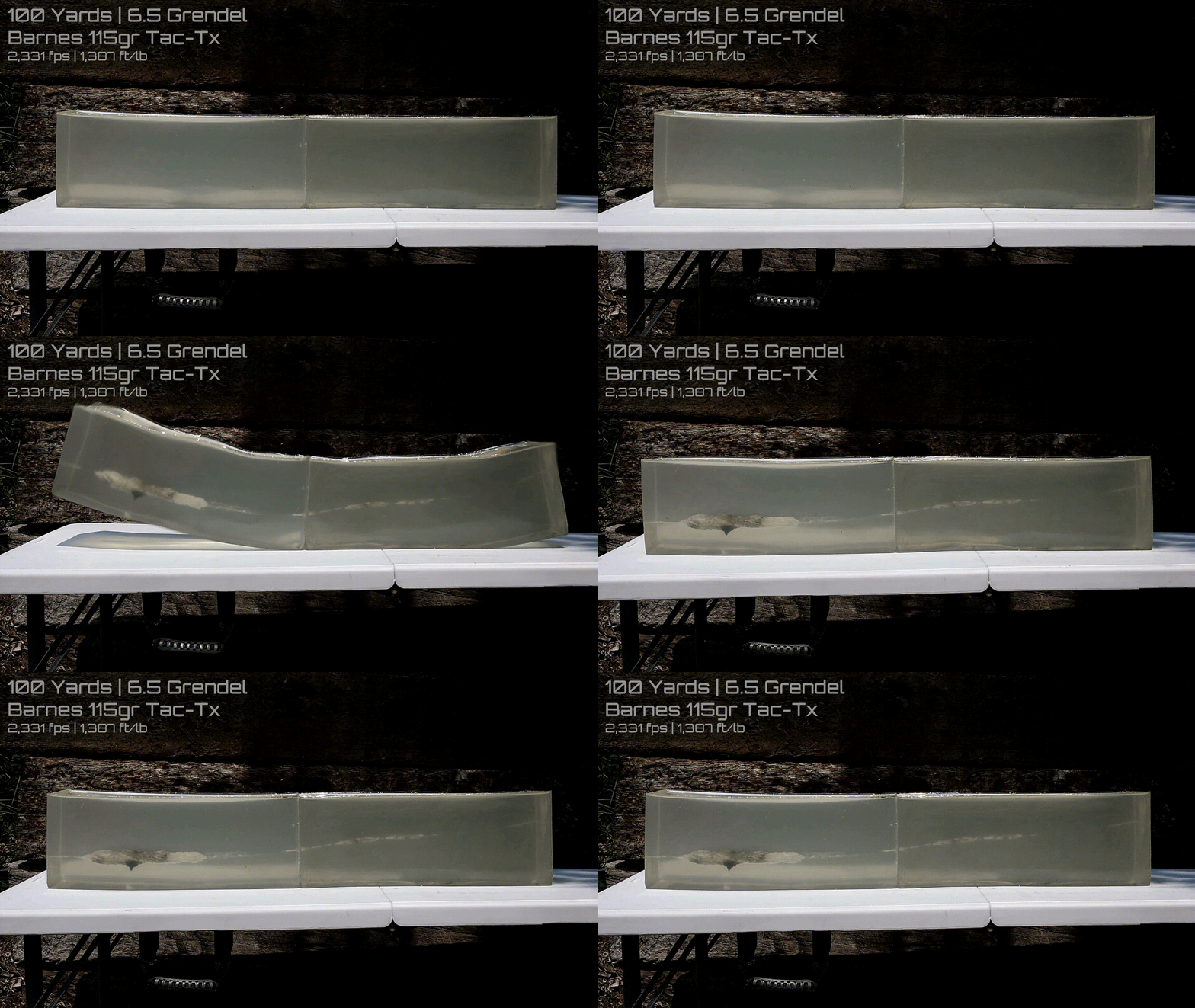
To kick things off, we started with the 115gr Barnes TAC-TX out of the 6.5 Grendel at 100 yards.
The first thing we noticed was just how much penetration we got. This thing went through both blocks of gel without any problem. The bullet looks like it starts opening up almost immediately, and it creates a really nice permanent wound cavity from about 1½ inches out to around 10 inches before it closes back down and continues penetrating through the second block. We did recover the bullet, which was just laying on the berm behind the blocks of gel.
One thing that’s pretty cool, but honestly kind of hard to see in the picture, is the twist in the wound channel. You can actually see the spiral from the bullet as it’s traveling through the gel.
The wound cavity itself is a little smaller than what we’ve seen from other cup-and-core bullets we’ve tested in the past, and my guess is that’s mainly because this bullet is staying together and we’re not getting a bunch of fragments breaking off and creating additional wound channels. Instead, the bullet expands and keeps moving forward as one piece.
That’s one of the main reasons Andy and I use this bullet for deer hunting. We don’t have to worry about lead or copper fragments breaking off and contaminating the meat.
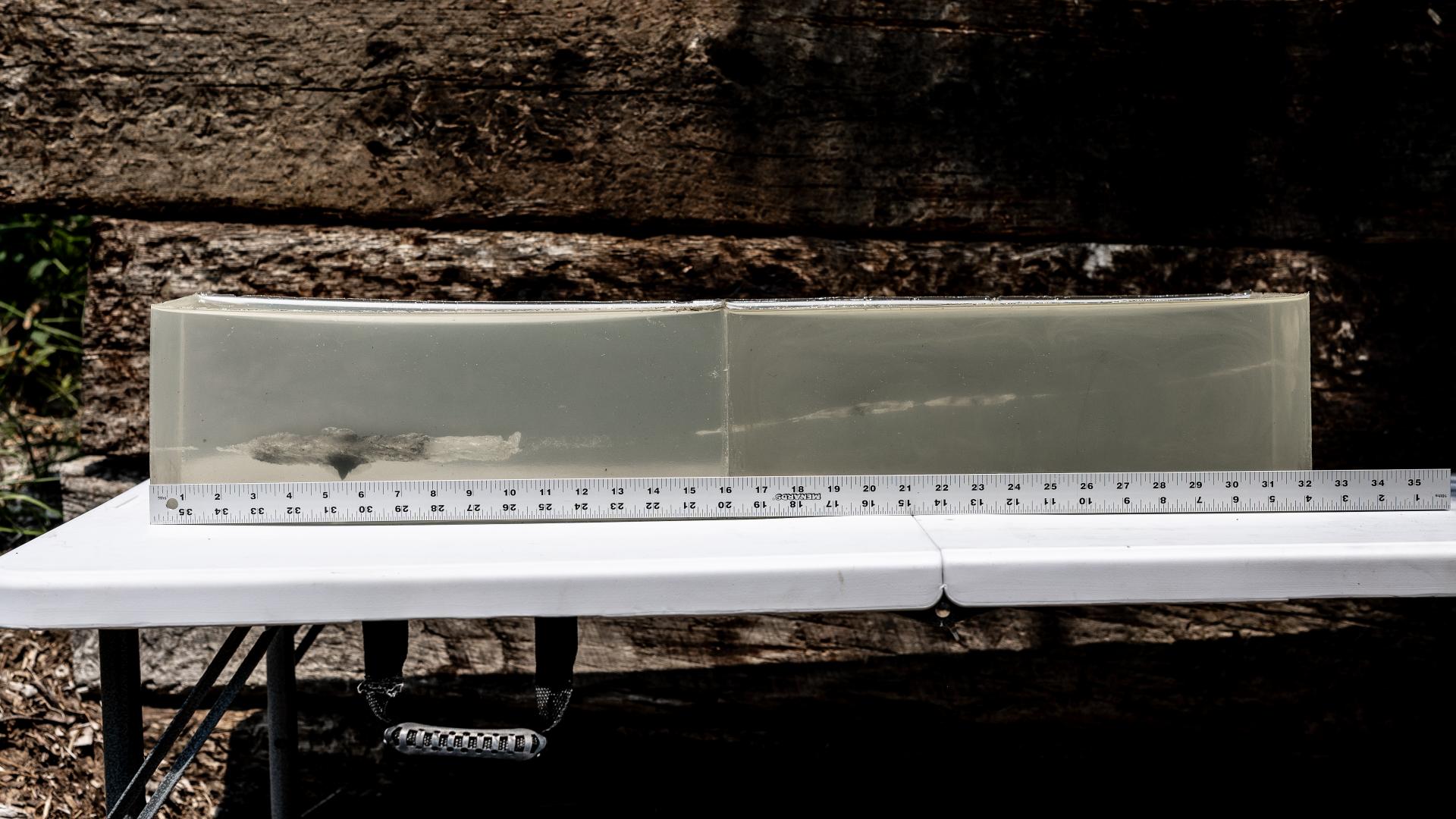
This 115gr TAC-TX was pretty impressive at 100 yards—good expansion, a lot of penetration, and the bullet stayed together really well. Now let’s see how the lighter 90gr bullet out of the 6MM ARC performs at the same distance.
6MM ARC 90gr Tac-Tx | 100 Yard Test
100 Yards — 6MM ARC 90gr Barnes TAC-TX
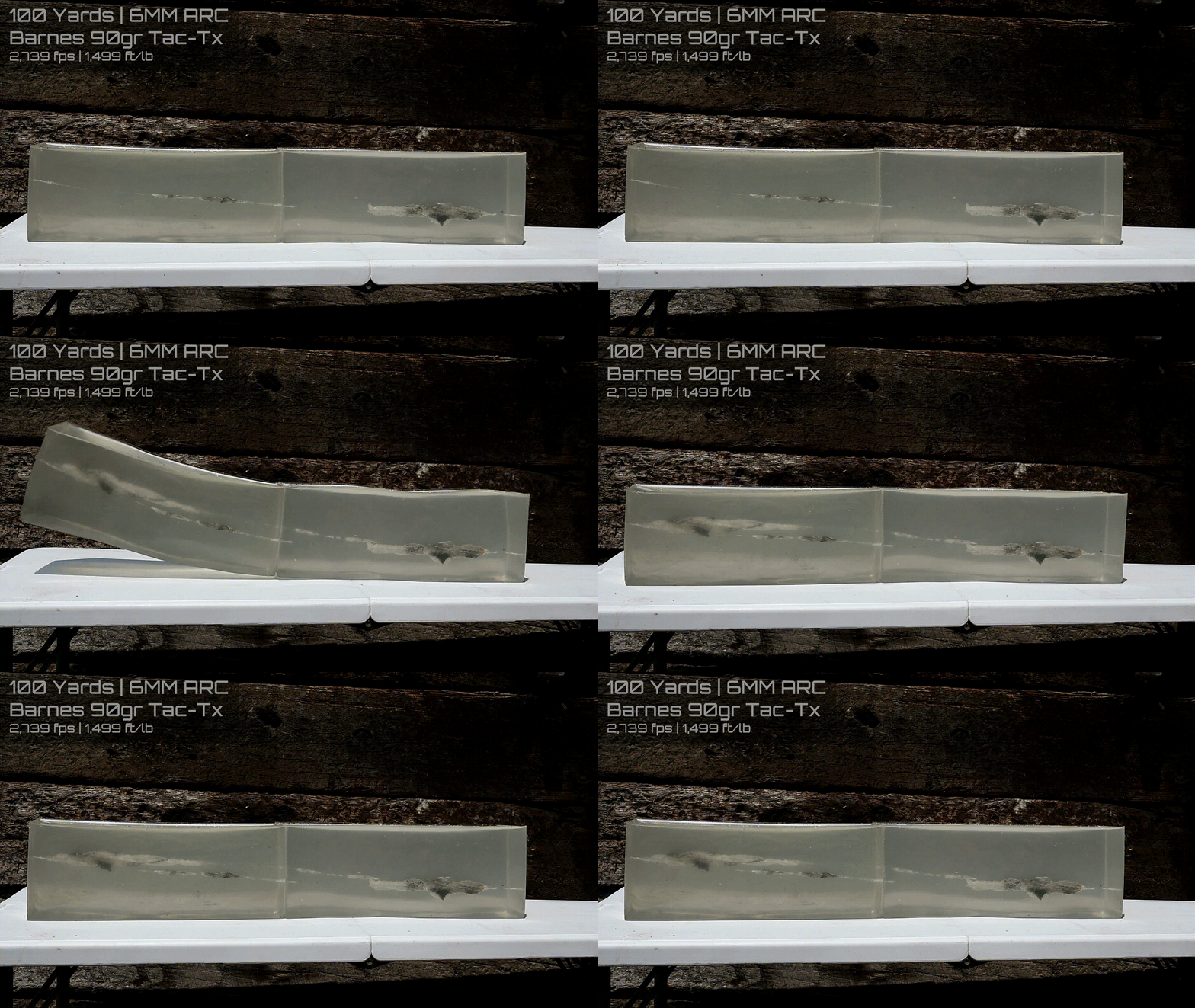
Well, right off the bat, this looks very similar to the 115gr out of the Grendel. The overall penetration is a little less, with this bullet coming to rest right behind the Grendel wound cavity at about 29 inches of penetration.
The wound cavity is also very close in size. It starts opening up just over 1 inch into the block of gel and carries out to almost 11 inches, and again, we can see the rotation of the bullet through the wound cavity.
It’s interesting to see just how comparable the two wound cavities are at this range, especially considering the noticeable difference in the weight and velocity of the two bullets.
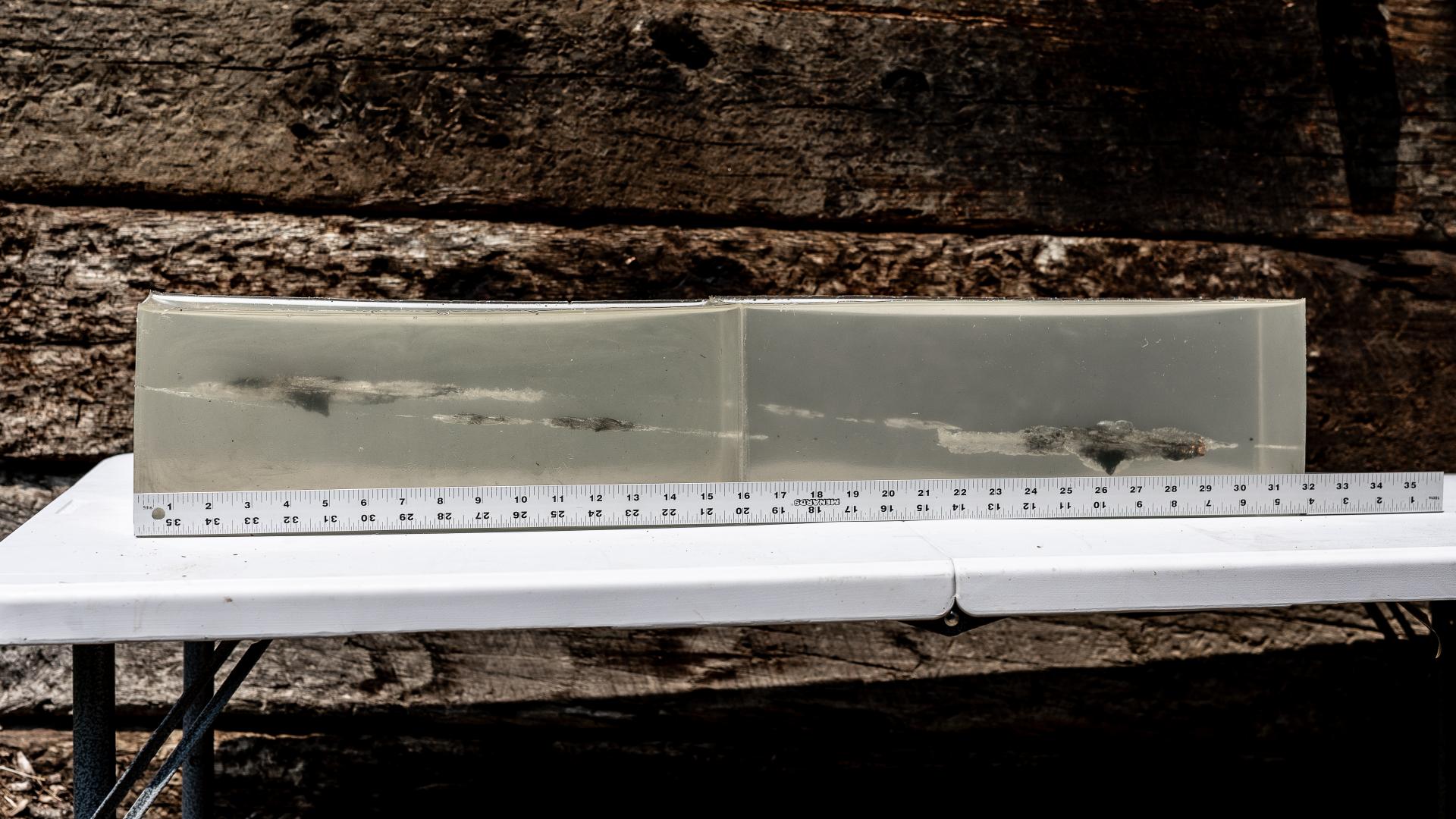
Both bullets performed really well at this range, and you can see that they are fully expanded, with each petal peeling back consistently to create a really nice mushroom.

So that gives us a good look at what these bullets can do at 100 yards. Now let’s stretch things out to 300 yards and see what changes.
6.5 Grendel 115gr Tac-Tx | 300 Yard Test
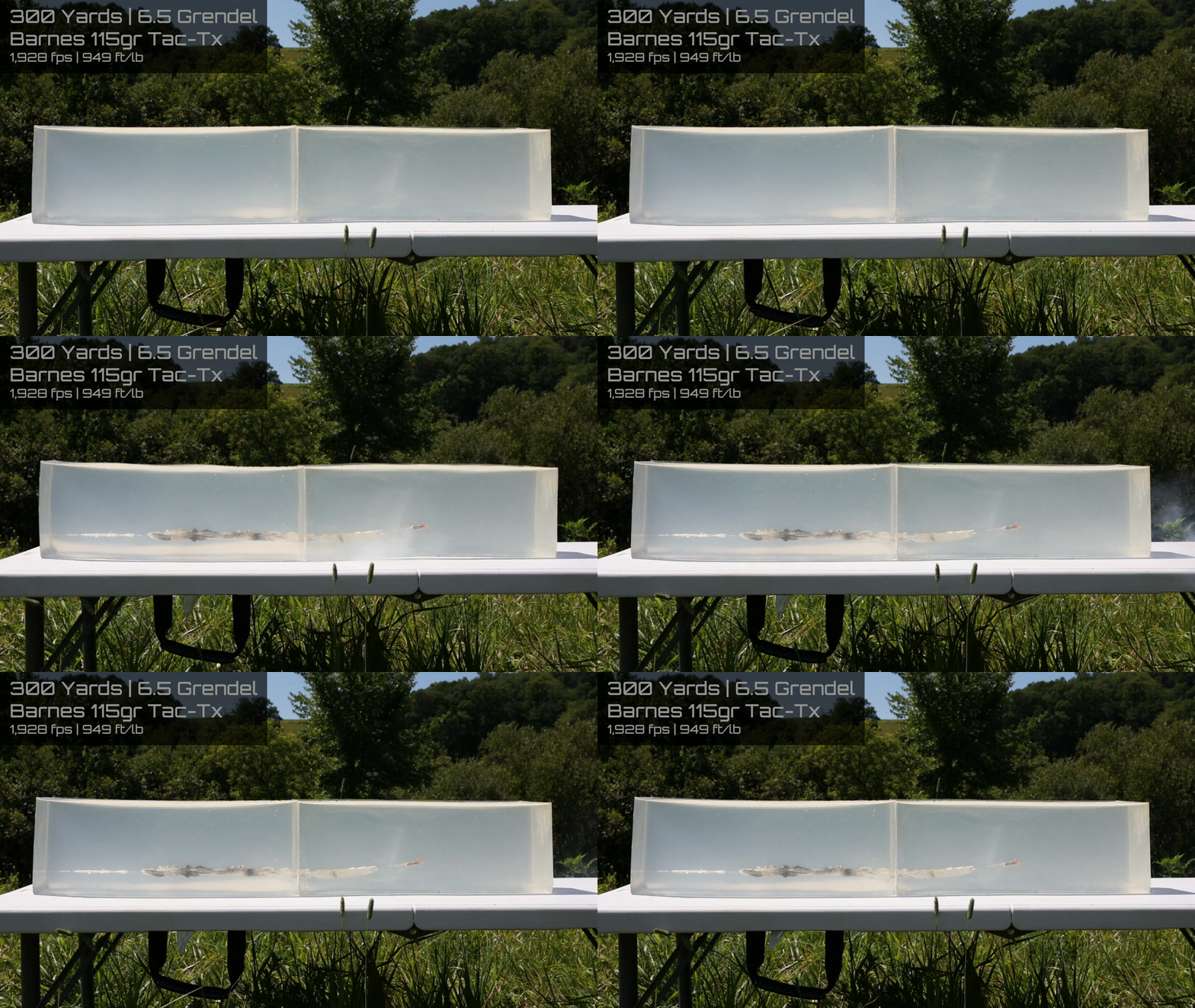
300 Yards — 6.5 Grendel 115gr Barnes TAC-TX
At this range, the 115gr TAC-TX is traveling 403 fps slower and carrying 438 ft-lbs less energy compared to the 100-yard test, and you can definitely see the difference
The overall size of the wound cavity is actually pretty impressive, but one thing that caught our attention—and is concerning to me—is that it doesn’t really start opening up until about 6½ inches into the gel. From roughly 6½ inches to 21½ inches, it creates a very large permanent wound cavity before closing back down, and the bullet comes to rest at 24 inches of penetration.
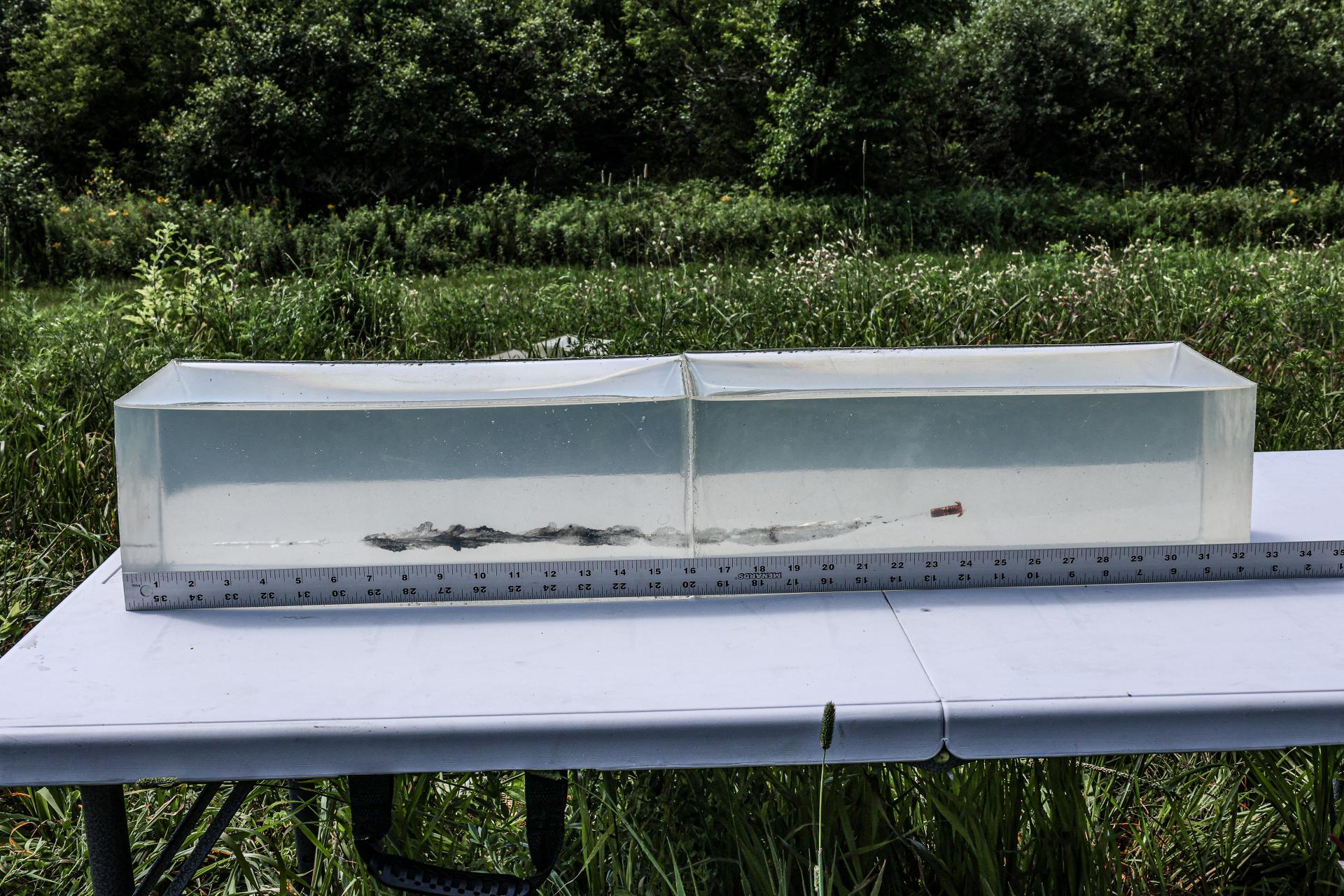
When comparing the bullets to each other, there is noticeably less expansion at this range. The petals do still peel back, but nowhere near as much as they did at 100 yards. It’s a pretty good example of how much velocity can affect the way this bullet performs as we start stretching the distance out.

Next, we’re going to test the 90gr TAC-TX out of the 6MM ARC at this same range and see how it compares.
6MM ARC 90gr Tac-Tx | 300 Yard Test
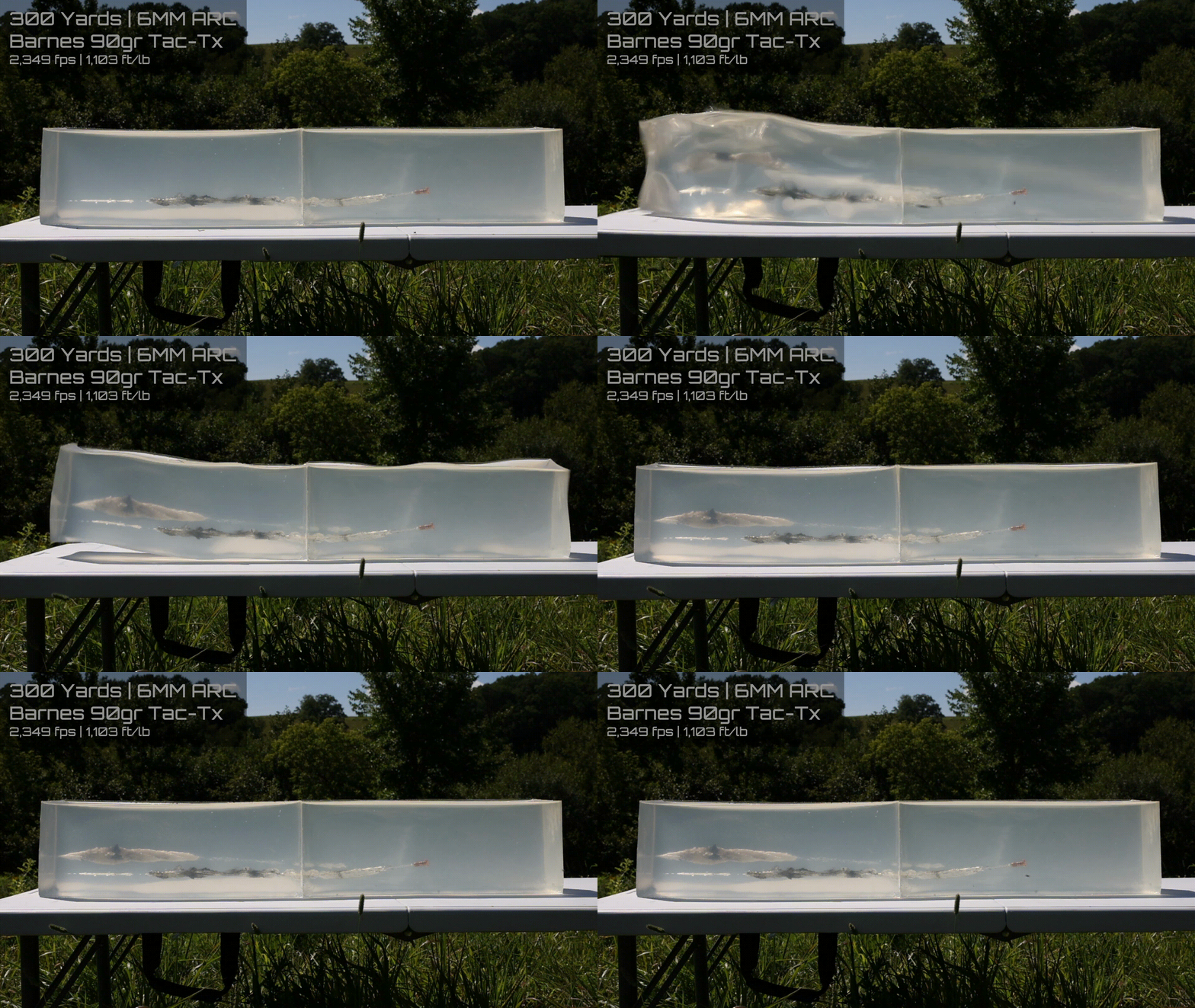
300 Yards — 6MM ARC 90gr Barnes TAC-TX
At this range, the 90gr TAC-TX is traveling a little under 400 fps slower and carrying almost 400 ft-lbs less energy than it did at 100 yards. After seeing the difference in performance with the Grendel from 100 to 300 yards, I didn’t have my hopes up for this one—but man, was I wrong.
This performed pretty much identical, if not better, to what it did at 100 yards. The wound cavity starts about 1½ inches into the block and carries out to about 10 inches. The bullet did turn and exit out the side of the second block, so we weren’t able to capture it, but the performance at this range was excellent!
The wound cavity suggests that the bullet is still expanding properly and transferring a significant amount of its energy early in the gel, which is exactly what I was hoping to see.
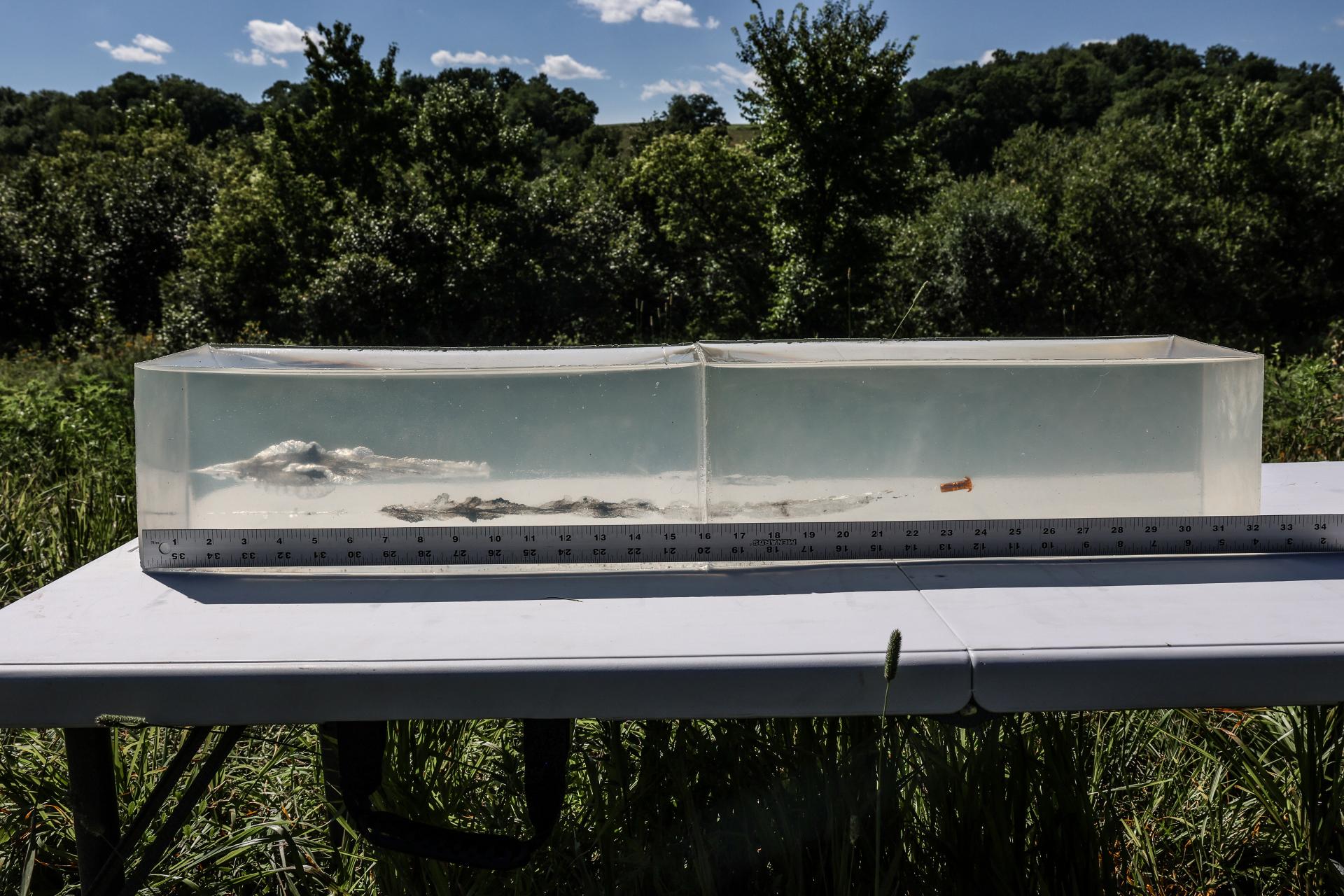
We decided to shoot it again in hopes of capturing the bullet and getting a look at how it expanded at 300 yards.
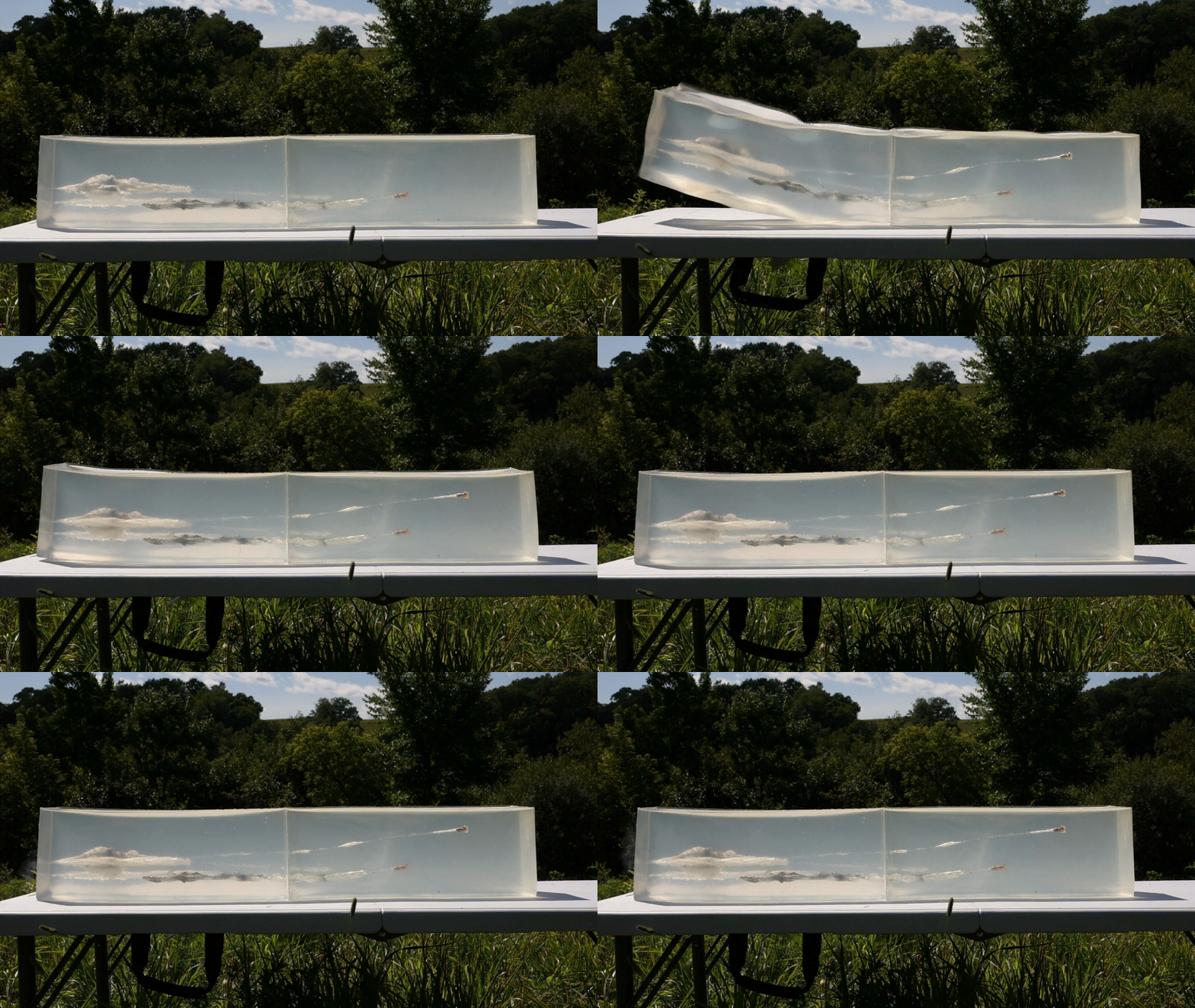
Our attempt was successful, and we were able to capture the bullet. The penetration was almost identical to the 100-yard test, and when we put the two recovered bullets side by side, the similarities were pretty impressive.
This was especially surprising considering the 300-yard bullet was traveling nearly 400 fps slower than it was at 100 yards. Looking at the two bullets next to each other, you can see that both expanded into a very similar mushroom, with the petals peeling back and the overall diameter looking nearly the same.

Even with the loss in velocity, the 90gr TAC-TX was still expanding and penetrating very consistently at 300 yards.
Next up, let’s see how the 115gr TAC-TX out of the 6.5 Grendel performs at 500 yards.
6.5 Grendel 115gr Tac-Tx | 500 Yard Test
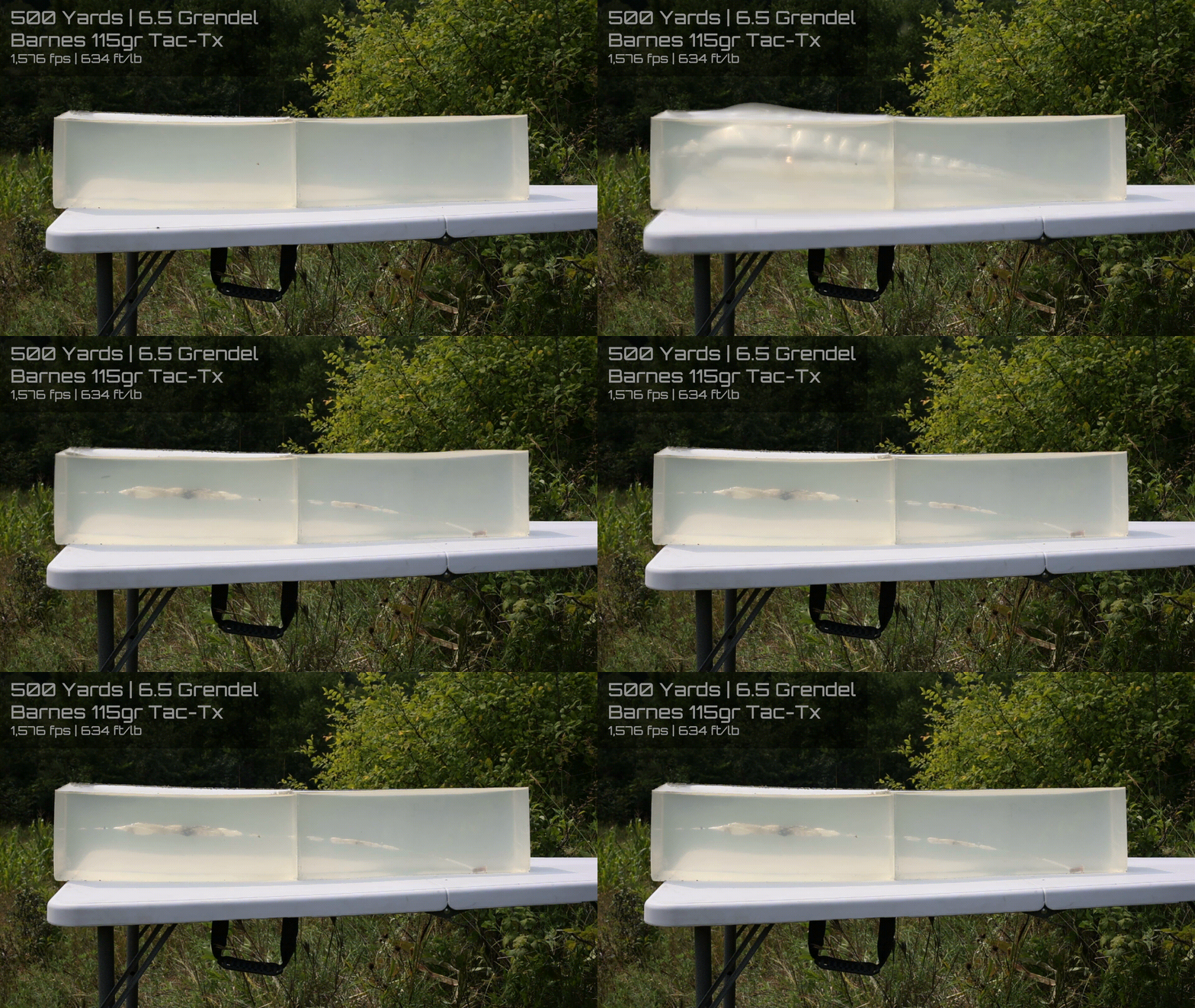
500 Yards — 6.5 Grendel 115gr Barnes TAC-TX
So, after seeing what this bullet did at 300 yards, I assumed the results were going to be pretty disappointing at this range, but this was a lot better than I expected.
The permanent wound cavity starts about 4 inches into the block and carries out to approximately 13 inches, and the bullet penetrates very deep, coming to rest at about 29 inches. I would like to see that wound cavity start a little earlier, but again, this is pretty impressive performance at this range.
The velocity and energy at this range are well below what I would personally use or recommend for hunting medium-sized game, but it’s still pretty cool to see how well this bullet was able to perform under these conditions.
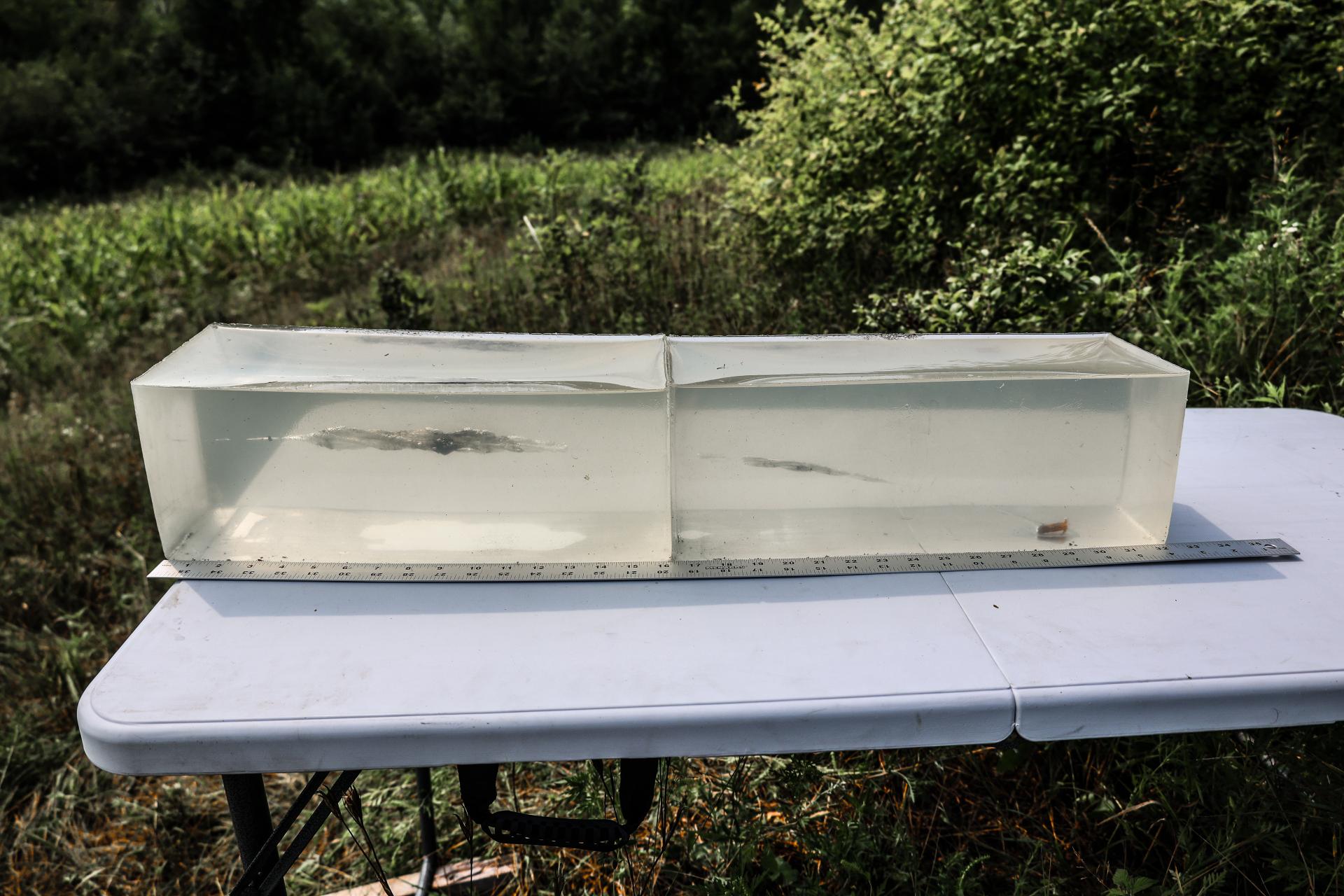
Looking at the recovered bullet, the petals didn’t peel back nearly as far as they did at the other ranges, but the bullet still expanded to about the same overall width.

Now let’s see how the 90gr TAC-TX out of the 6MM ARC performs at 500 yards.
6MM ARC 90gr Tac-Tx | 500 Yard Test
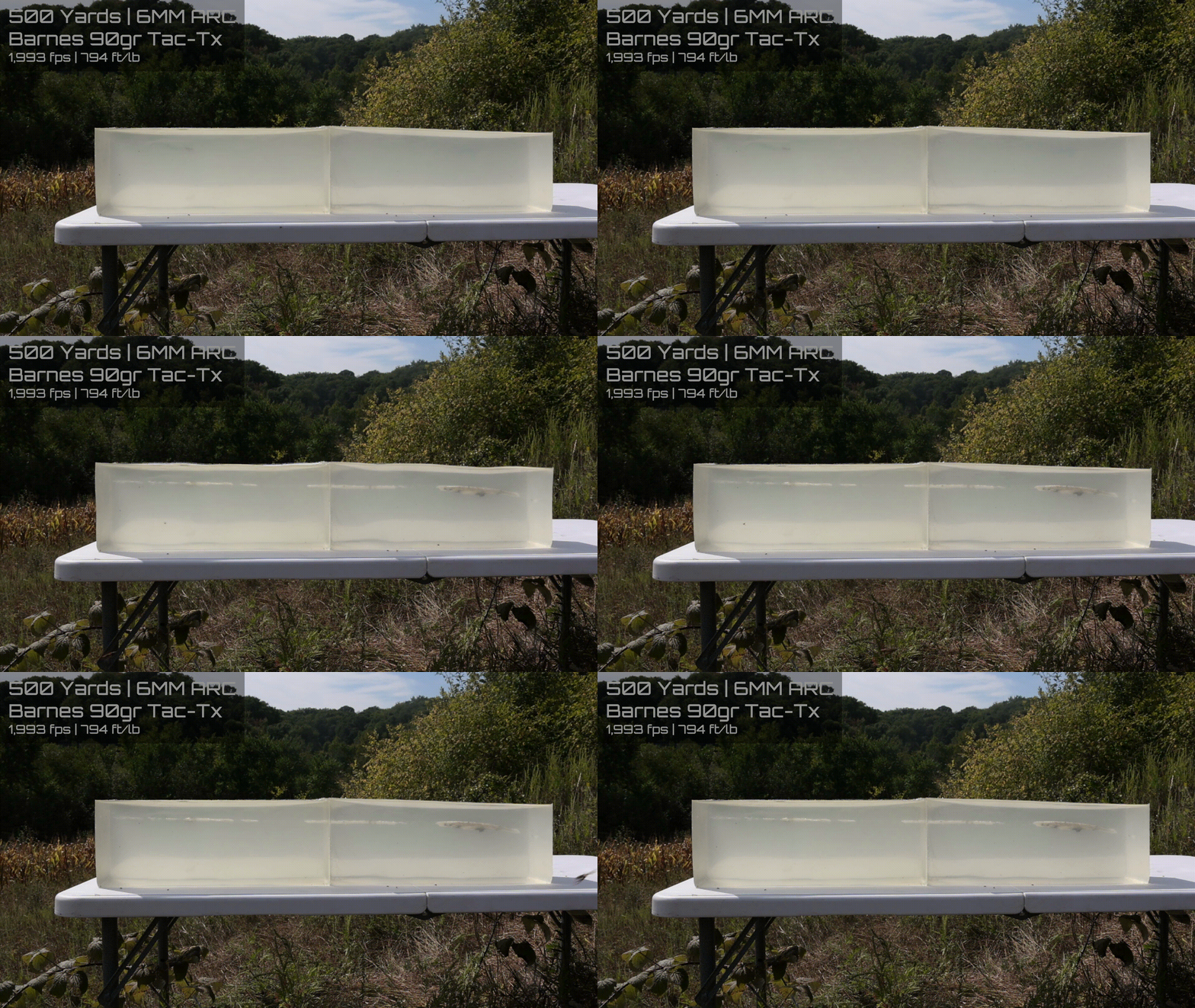
500 Yards — 6MM ARC 90gr Barnes TAC-TX
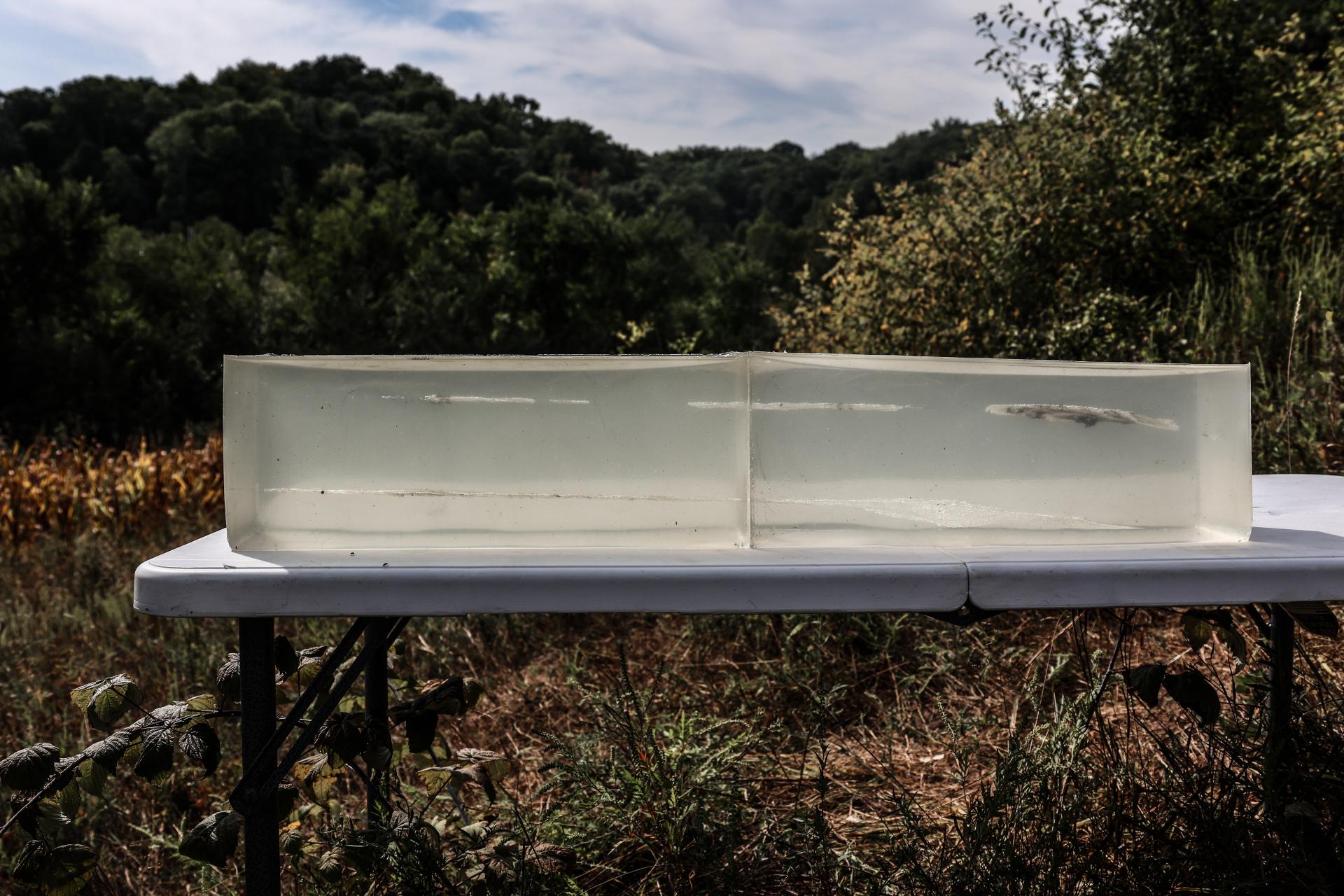
Well, after seeing how well this bullet performed at 300 yards, and how the 115gr out of the 6.5 Grendel just performed at 500 yards, I was excited to see what this one was going to do. But this time, it doesn’t look like the bullet opened up at all.
It drilled right through both blocks of gel without creating any kind of permanent wound cavity until about halfway through the second block, but out there, that’s too little, too late. You can really see the difference in the gel compared to the earlier tests. Instead of opening up early and creating a large wound cavity, the bullet is essentially just drilling through the gel and acting more like a full-metal-jacket bullet at this range.
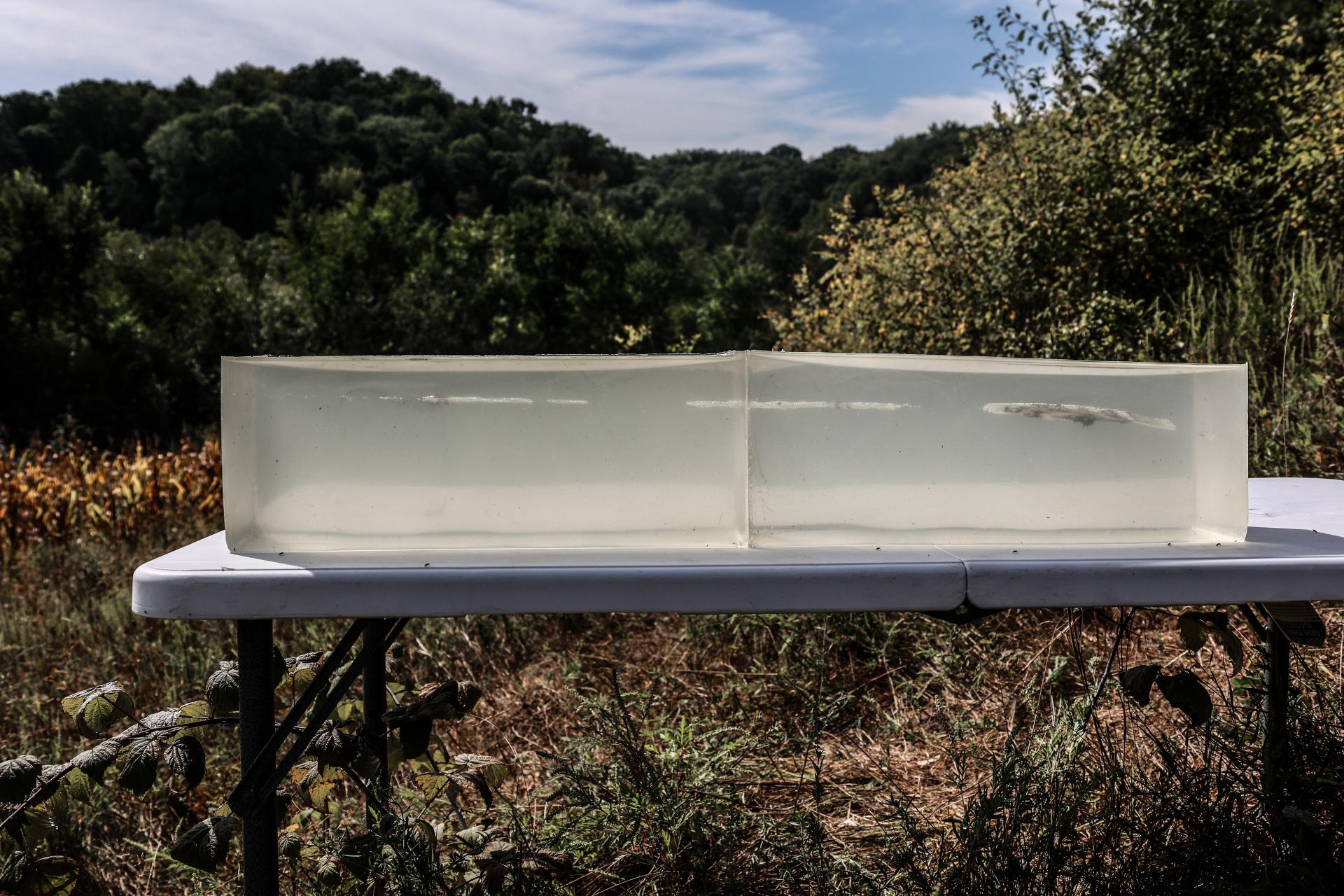
To see if this was just an anomaly, we decided to shoot it again and see if we could get the same results.
6MM ARC 90gr Tac-Tx | 500 Yard Test 2nd Shot
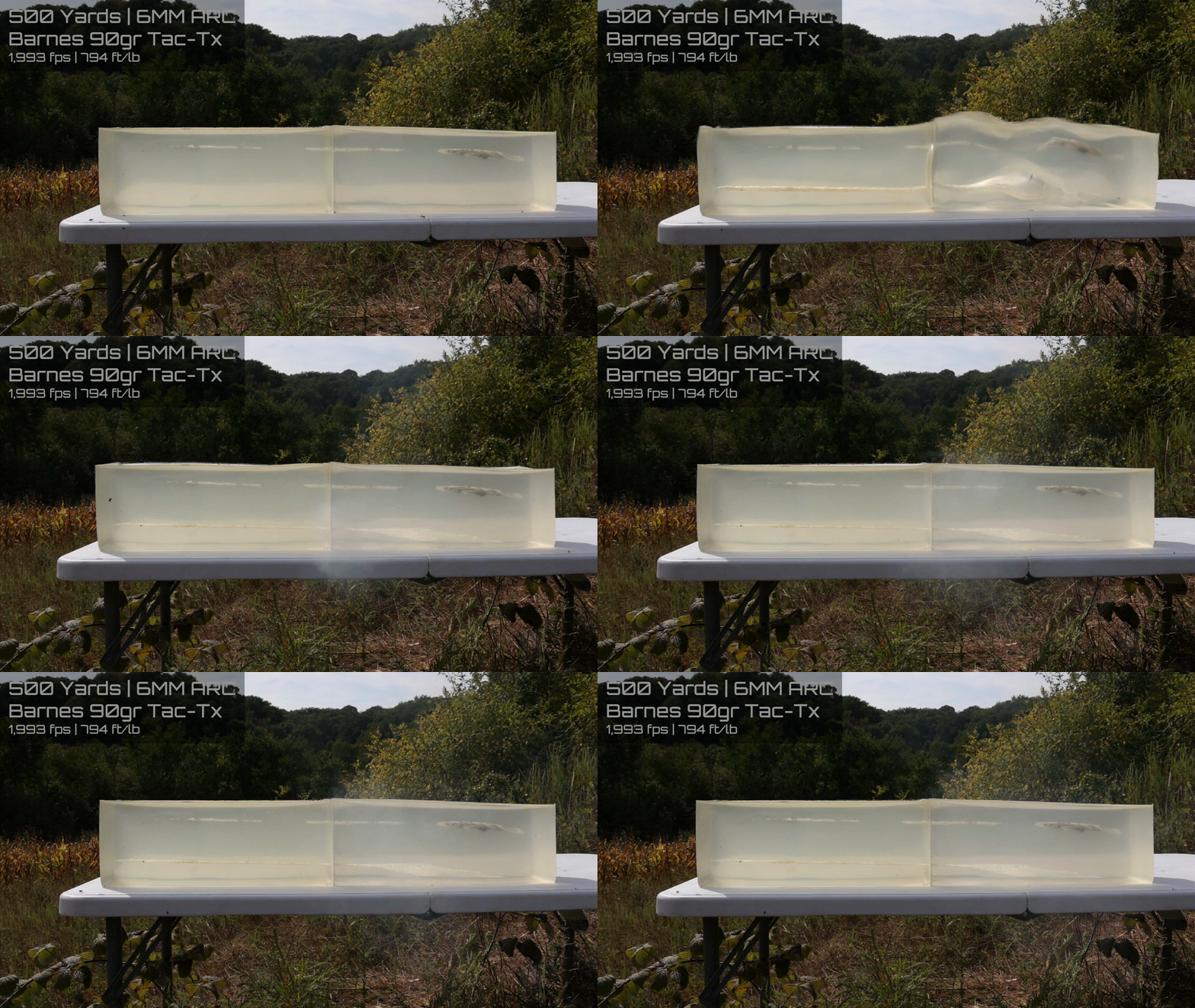
The second shot showed pretty much the same results through the first block. The bullet then turned and exited out the side of the second block, so once again we weren’t able to recover it. But seeing the same thing happen on the second shot pretty much confirms that the first attempt wasn’t a fluke. At 500 yards, we were seeing a dramatic change in performance compared to the 100- and 300-yard tests, and it’s clear that this bullet doesn’t have enough velocity to perform the way it was intended at this distance.
Just to see what would happen, we decided to move up to 400 yards and see how much of a difference that extra velocity would make.
6MM ARC 90gr Tac-Tx | 400 Yard Test
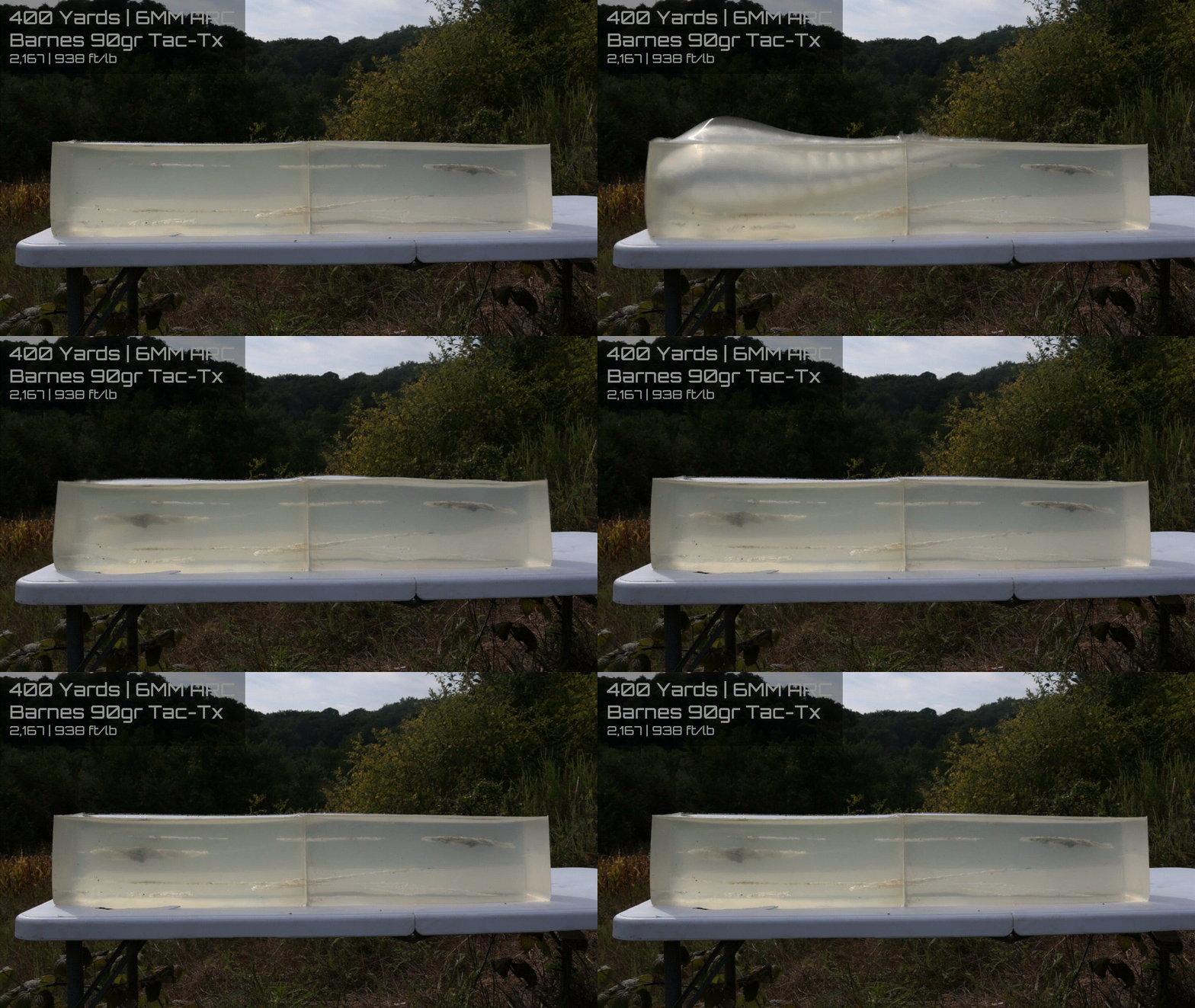
400 Yards — 6MM ARC 90gr Barnes TAC-TX
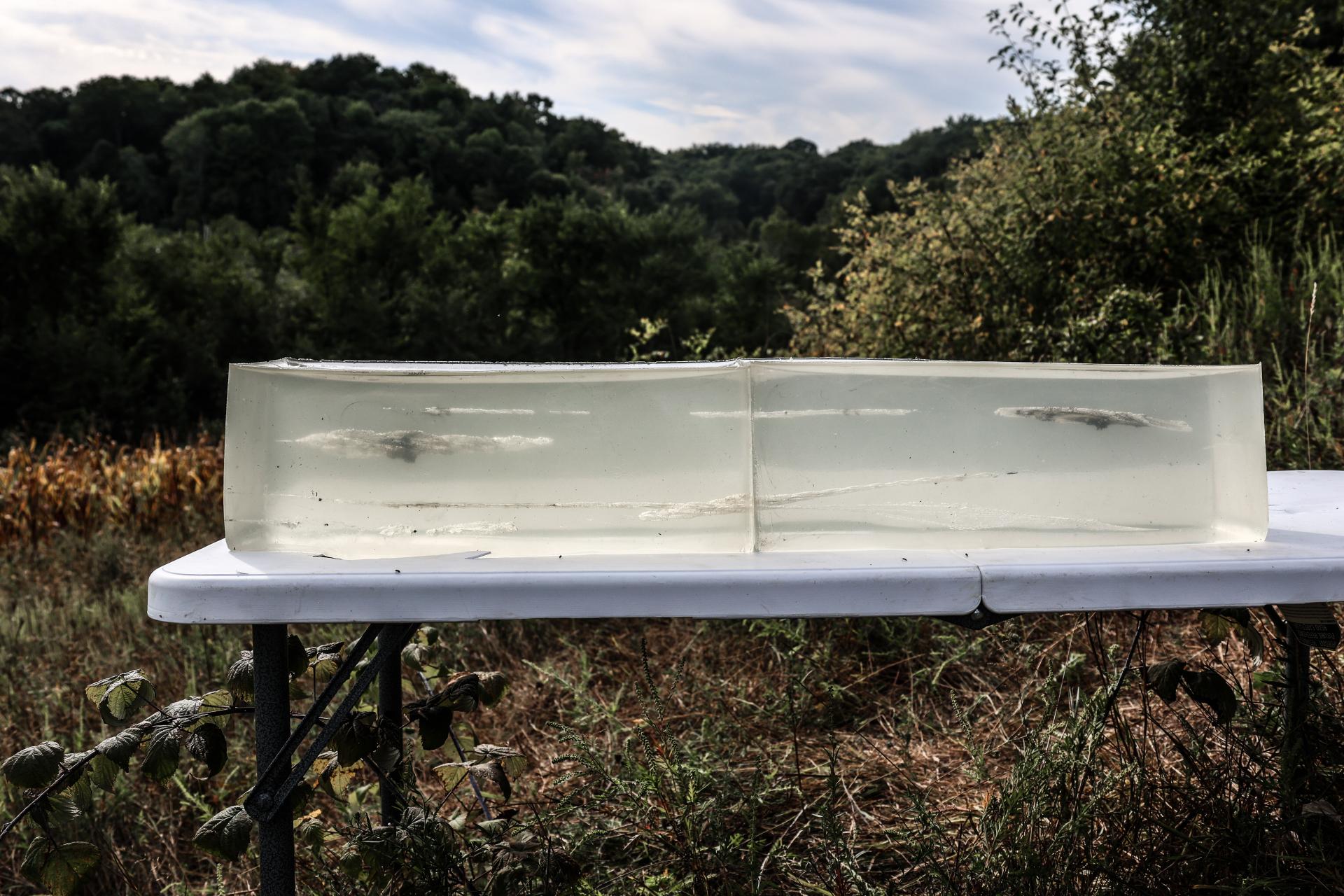
At 400 yards, the bullet opens up almost immediately, and we get a wound cavity that looks nearly identical to what we saw at 100 and 300 yards.
The bullet did climb up and exit through the top of the second block, so once again, we weren’t able to recover it. But based on the wound cavity, it’s pretty clear that the bullet is still expanding and performing the way we would expect at this distance.
This was a pretty interesting result after seeing how differently it performed at 500 yards. It looks like somewhere between 400 and 500 yards, we reach the point where the bullet no longer has enough velocity to reliably expand.
Well, like I said in the beginning, our goal with this test isn’t to declare a single “winner,” but to provide some real-world data that hunters can use when choosing ammunition. And remember, ballistic gel obviously can’t perfectly replicate an animal, but it does give us an idea of how these bullets behave under consistent conditions.
Hopefully, these results give you a better idea of what to expect from these two loads as the distance increases and help you make a more informed decision when choosing a hunting load.
Check out the video below for a more in-depth look at these loads.
Thanks for reading, and good luck this hunting season!