The Ultimate Varmint & Predator Bullet Test
The Ultimate Varmint & Predator Bullet Test


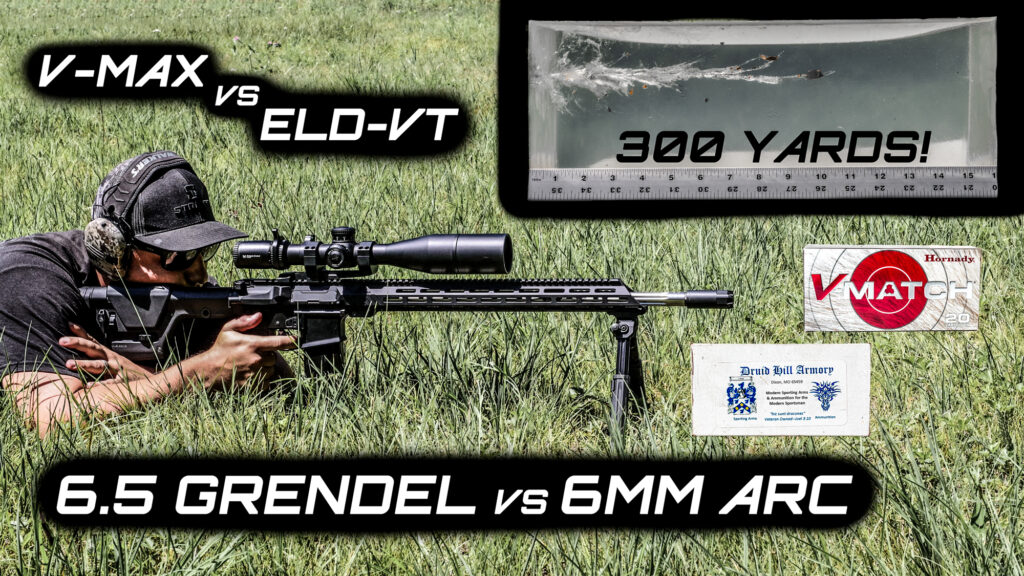
When choosing a hunting bullet, it’s easy to get caught up in muzzle velocity and ballistic coefficients, but what really matters is how that bullet performs when it reaches the target. In this series of ballistic gel tests, we put the 6.5 Grendel and 6mm ARC head-to-head using Hornady’s V-MAX and ELD-VT bullets to see how they compare for varmint, and predator hunting.
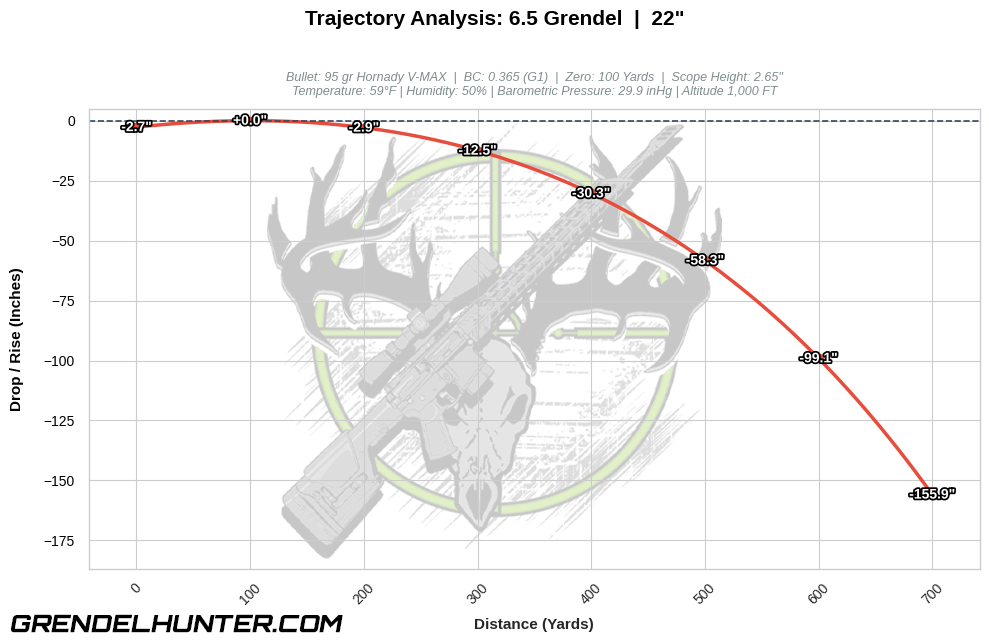
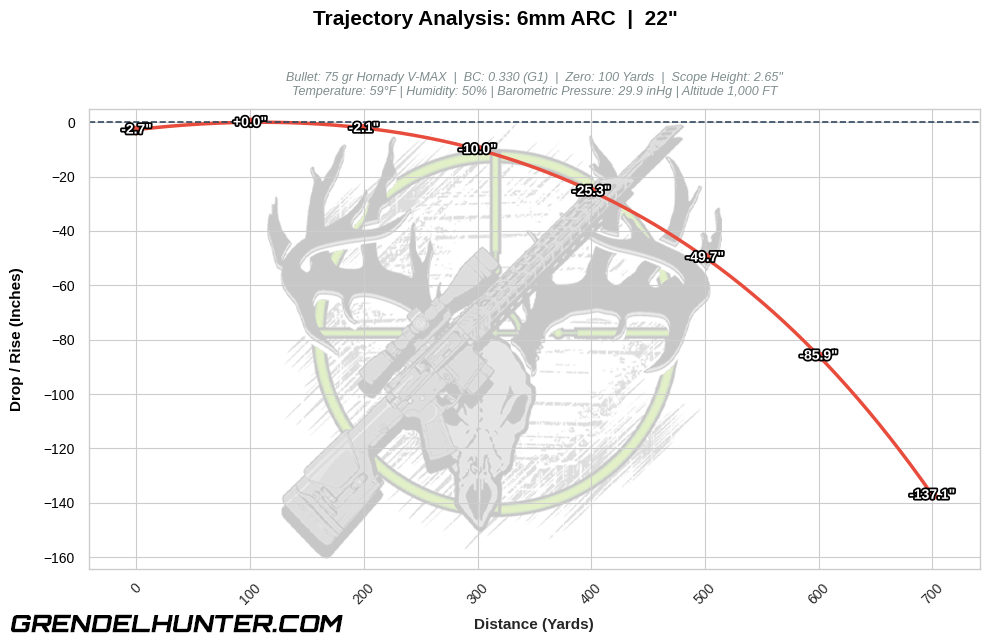
Rather than limiting our testing to close range, we wanted to evaluate terminal performance at realistic hunting distances. Each load was fired into calibrated ballistic gel at 100, 200, and 300 yards to see how velocity loss affected expansion, penetration, retained weight, and wound cavity size.
Our goal wasn’t to declare a single “winner,” but to provide objective data that hunters can use when choosing ammunition. Whether you’re deciding between the proven V-MAX or Hornady’s newer ELD-VT, or trying to choose between the 6.5 Grendel and 6mm ARC, these tests provide a side-by-side look at how each combination performed as distance increased.
While ballistic gel can’t perfectly replicate an animal, it does provide a consistent medium for comparing bullet behavior under identical conditions. We hope these results help you make a more informed decision the next time you’re selecting a hunting load.
Let’s dive into the results.

Tests conducted with a 22″ 6.5 Grendel Upper & 22″ 6MM ARC Upper.
Muzzle velocities measured with a chronograph using 10 round strings.
6.5 Grendel 95gr V-Max | 100 Yard Test
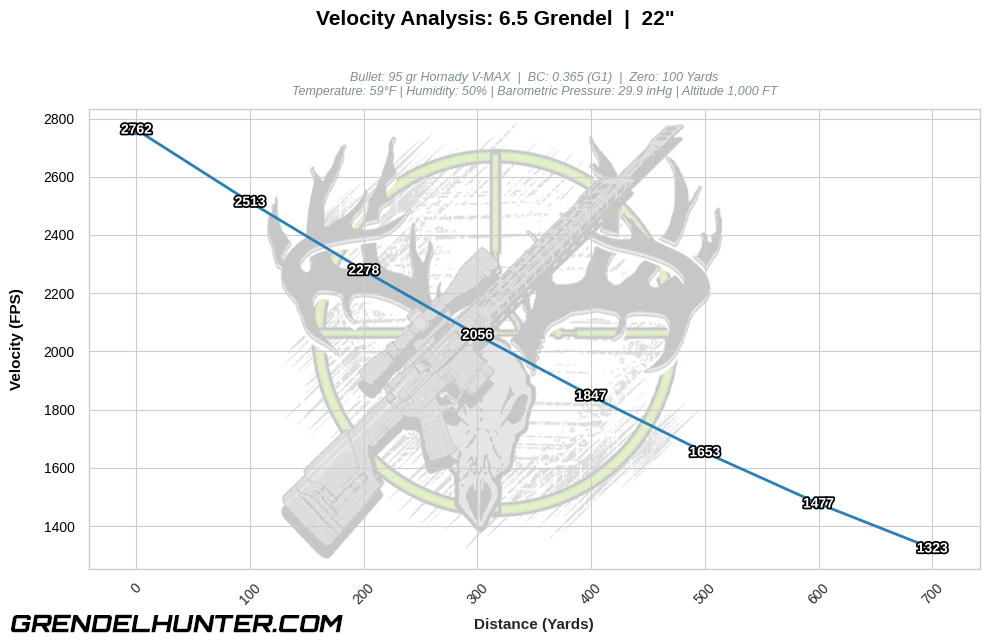
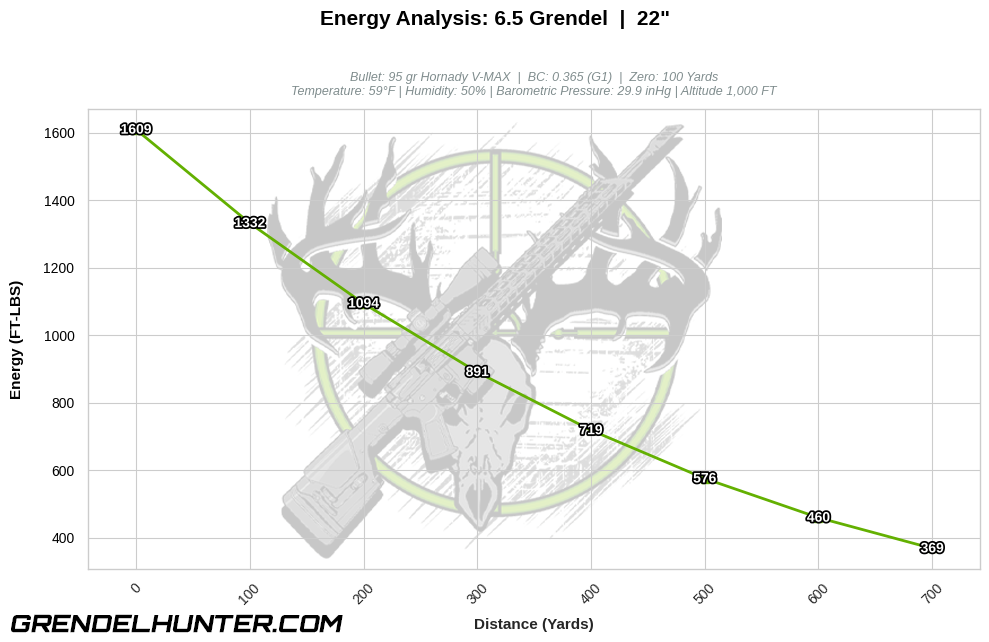
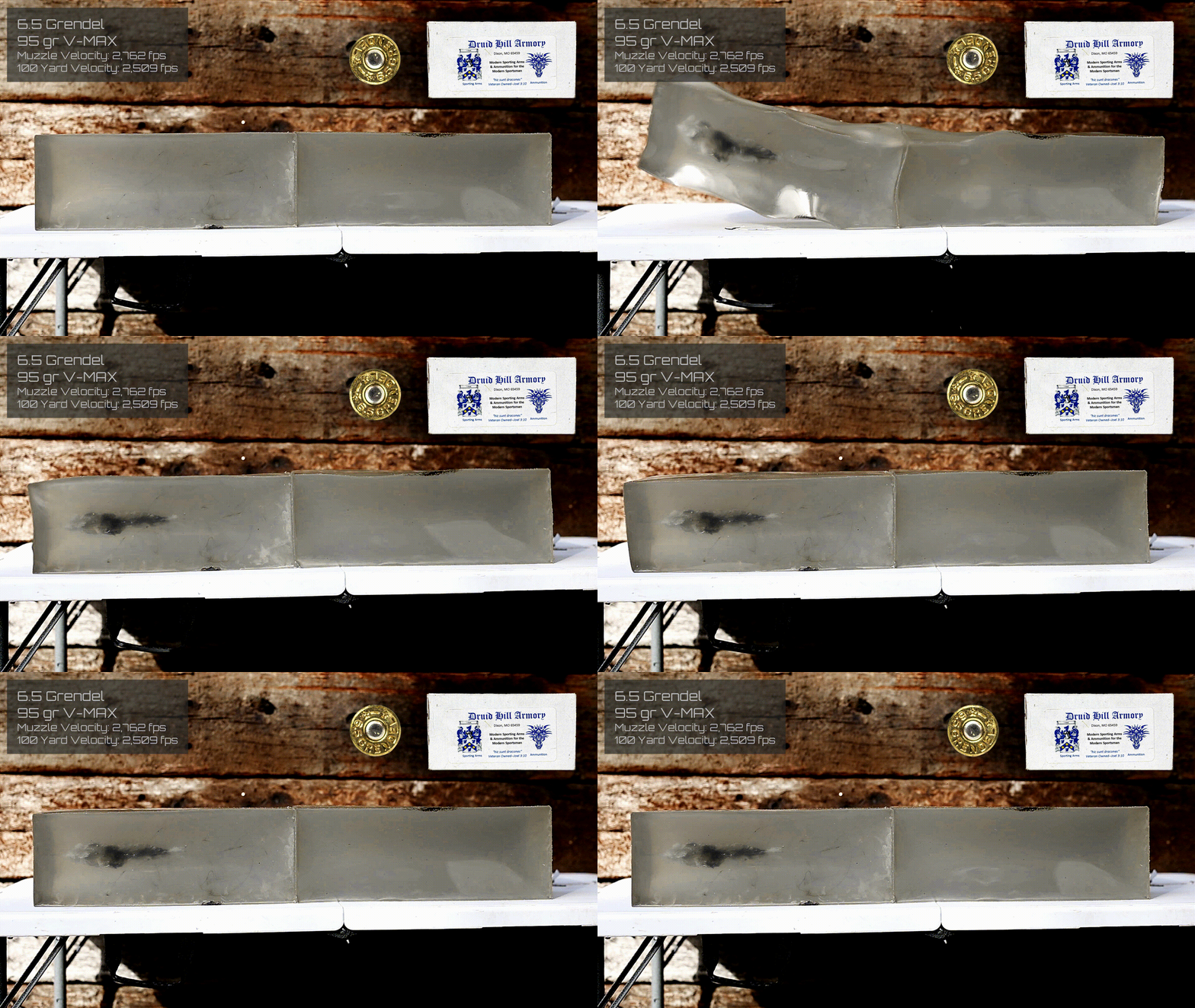
100 Yard Velocity & Energy: 2,509 fps | 1,329 ft/lb
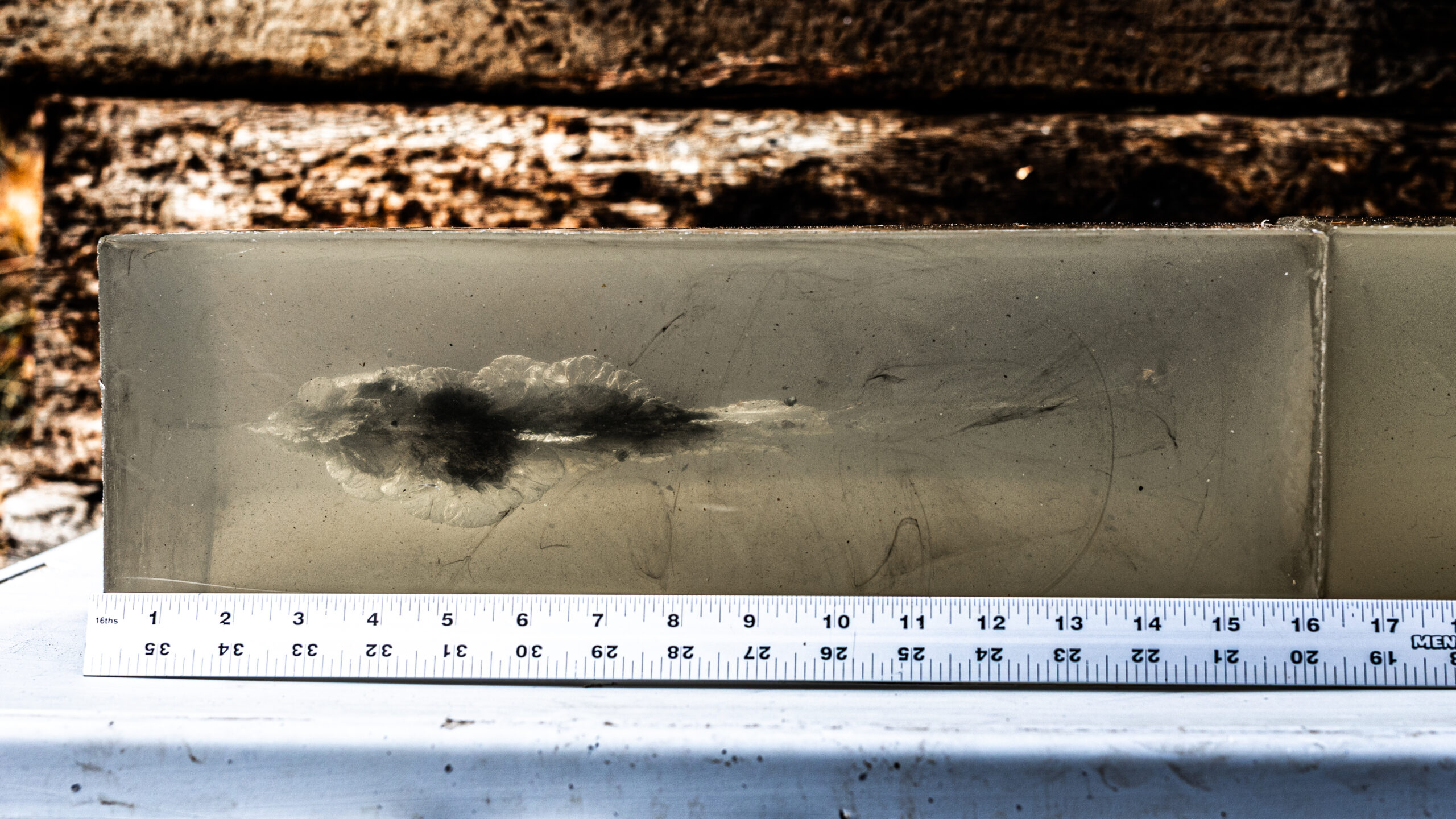
At just over 2,500 fps, the 95-grain V-MAX wasted absolutely no time getting to work. As soon as it entered the gel, it began expanding and creating a large wound cavity.
It’s hard to see in the photo, but looking through the gel we can clearly see a heavy concentration of lead and copper fragments surrounding the main wound channel before the largest portion of the bullet finally comes to rest at approximately 14.5 inches.
One of the most impressive things about this bullet at 100 yards is the size of the wound cavity. From roughly 2 to 8 inches of penetration, it creates an extremely wide and violent cavity, showing just how quickly the V-MAX is dumping its energy into the target.
6MM ARC 75gr V-Max | 100 Yard Test
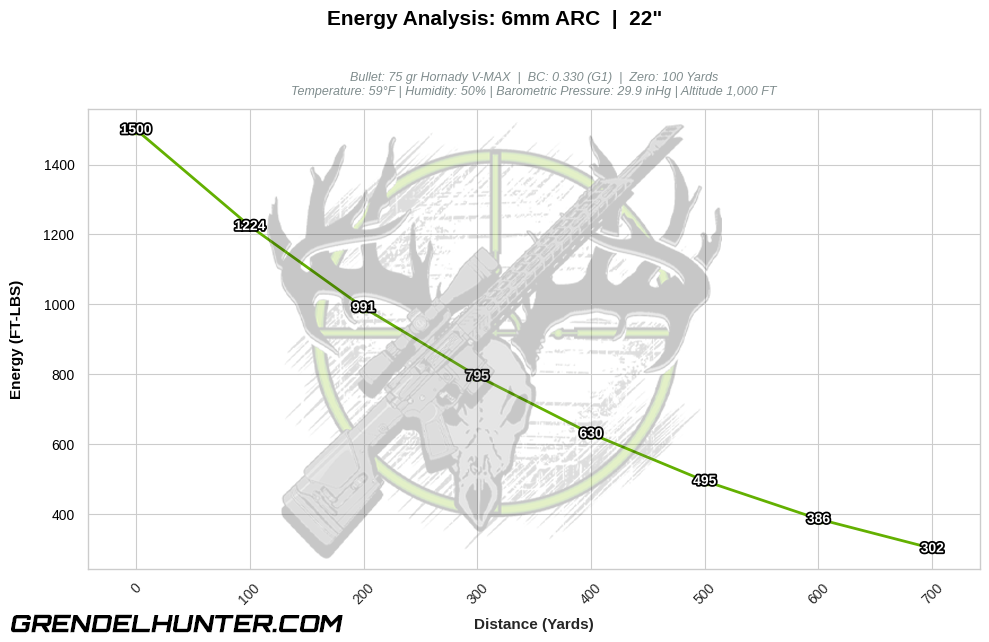
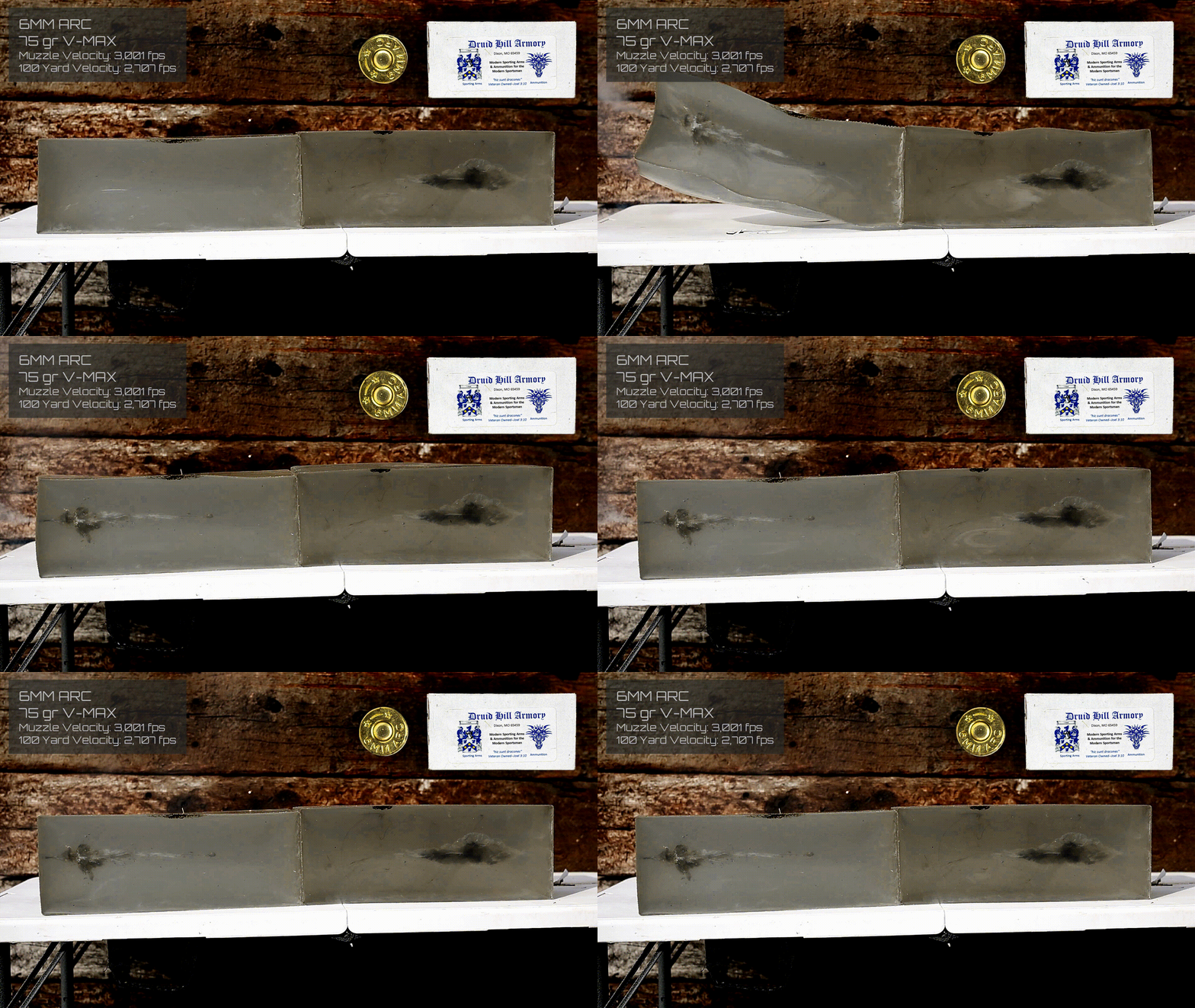
100 Yard Velocity & Energy: 2,707 fps | 1,224 ft/lb
At just over 2,700 fps, the 75-grain V-MAX hits the gel with roughly 200 fps more velocity than the 95-grain V-MAX from the 6.5 Grendel, and it shows almost immediately. The bullet seems to explode on impact, producing a large spray of fragments through the first 6 inches of penetration.
Compared to the 95-grain V-MAX, the 75-grain bullet is noticeably more aggressive. It gives up a few inches of penetration in exchange for extremely rapid fragmentation. Most of the lead and copper fragments are concentrated near the front of the wound channel, while the largest remaining portion of the bullet continues forward before finally coming to rest at approximately 11 inches.
6.5 Grendel 100gr ELD-VT | 100 Yard Test
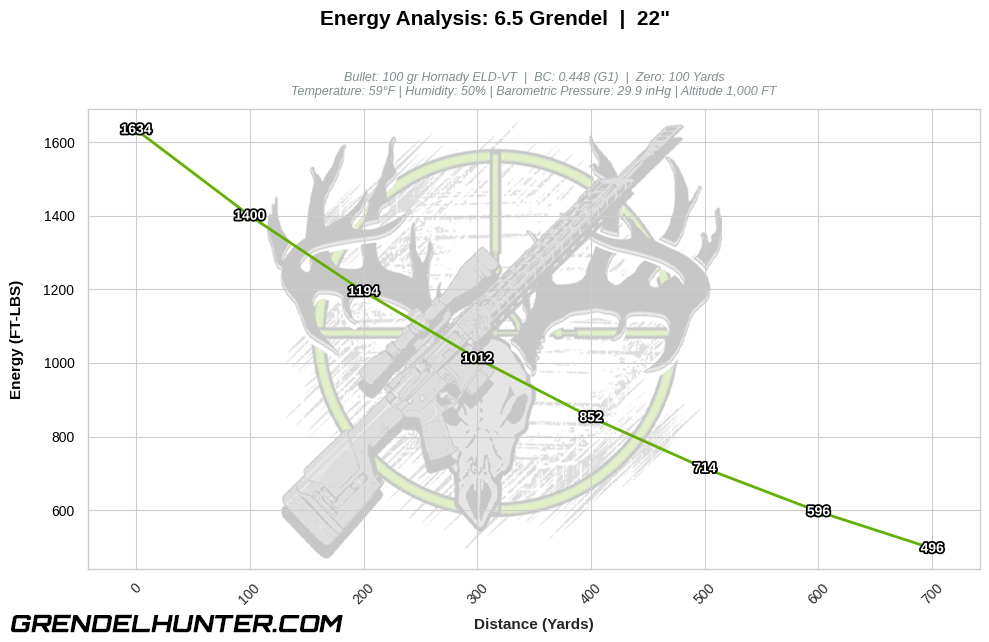
100 yard Velocity & Energy: 2,508 fps | 1,400 ft/lb
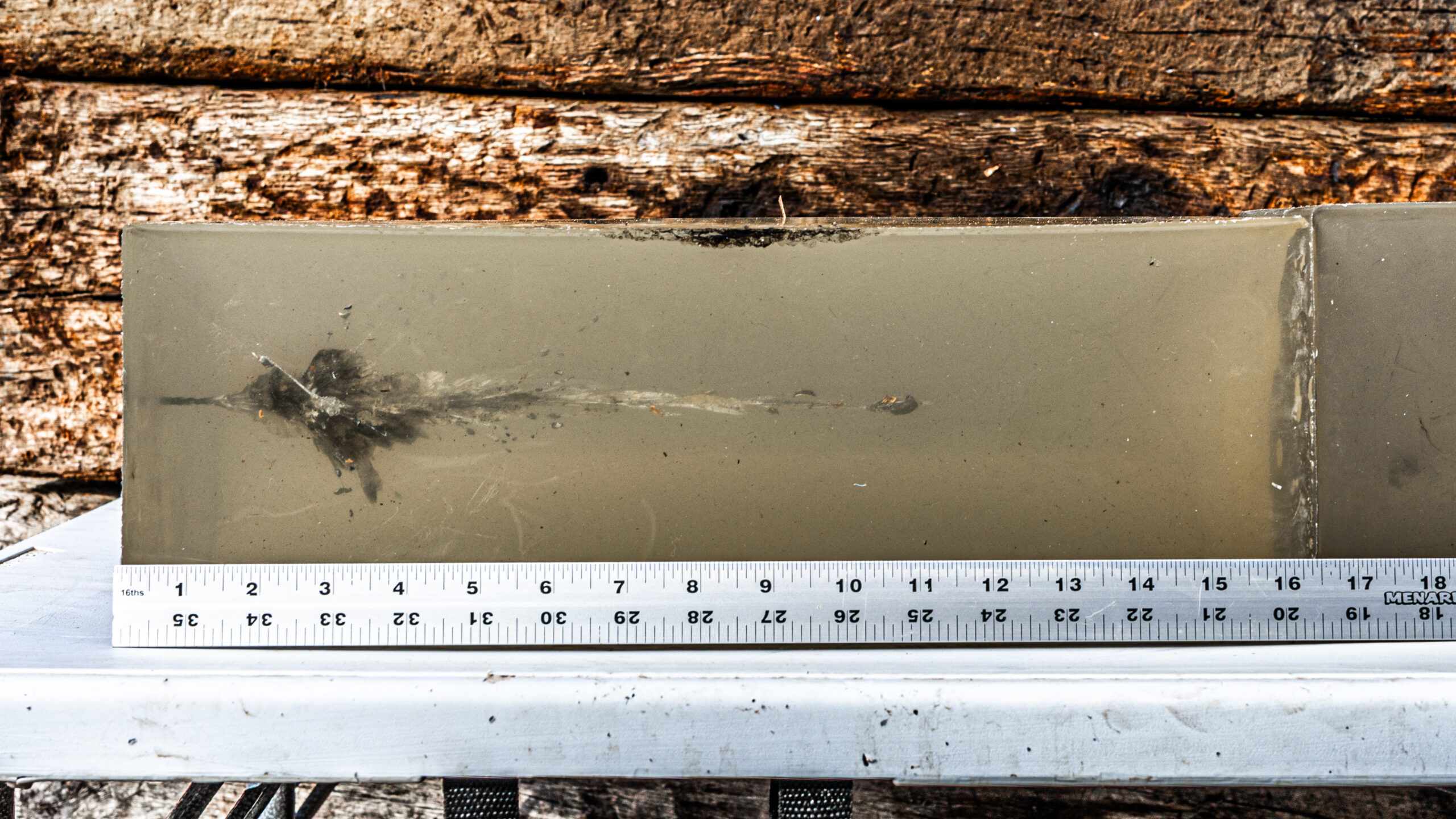
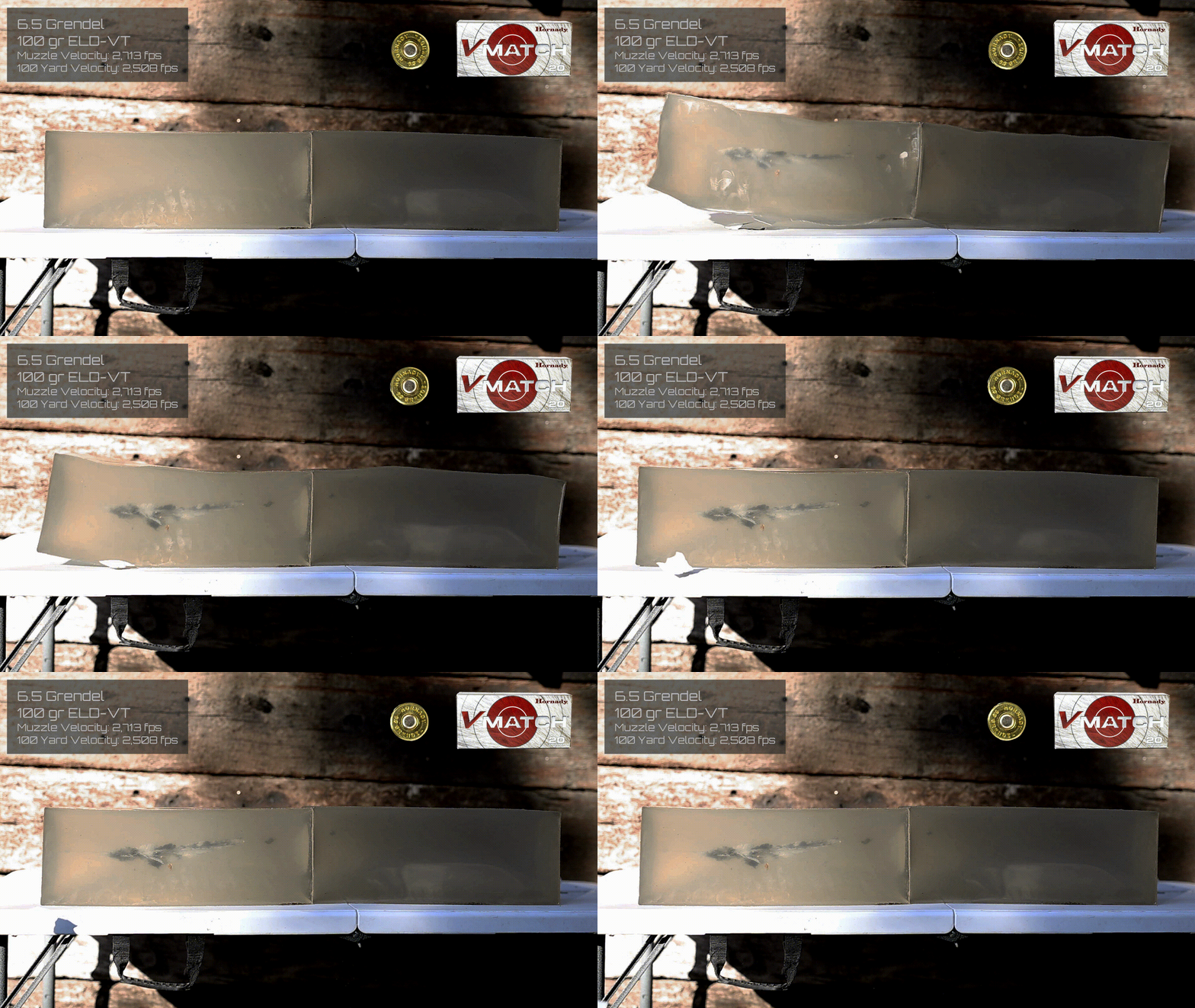
At just over 2,500 fps, the 100-grain ELD-VT is performing very differently than the previous two V-MAX rounds and, honestly, not at all like I would expect a varmint bullet to perform.
There doesn’t appear to be much expansion or fragmentation through the first 4 inches of penetration. After that, though, the bullet begins to open up, creating a nice wound cavity that continues to roughly 12.5 inches. The fragments are noticeably larger than what we saw with the V-MAX bullets, and the main mass of the bullet penetrates much deeper, finally coming to rest at approximately 17.5 inches.
Looking at the gel, this bullet behaves much more like a controlled-expansion hunting bullet than a traditional varmint bullet. Instead of blowing up on impact like the V-MAX bullets, it hangs together much longer before it starts to expand and fragment. Personally, I would have liked to see that expansion begin a little sooner. Whether you see that as a positive or a negative really depends on what you’re hunting, but it definitely wasn’t the performance I was expecting from the ELD-VT.
6MM ARC 80gr ELD-VT | 100 Yard Test
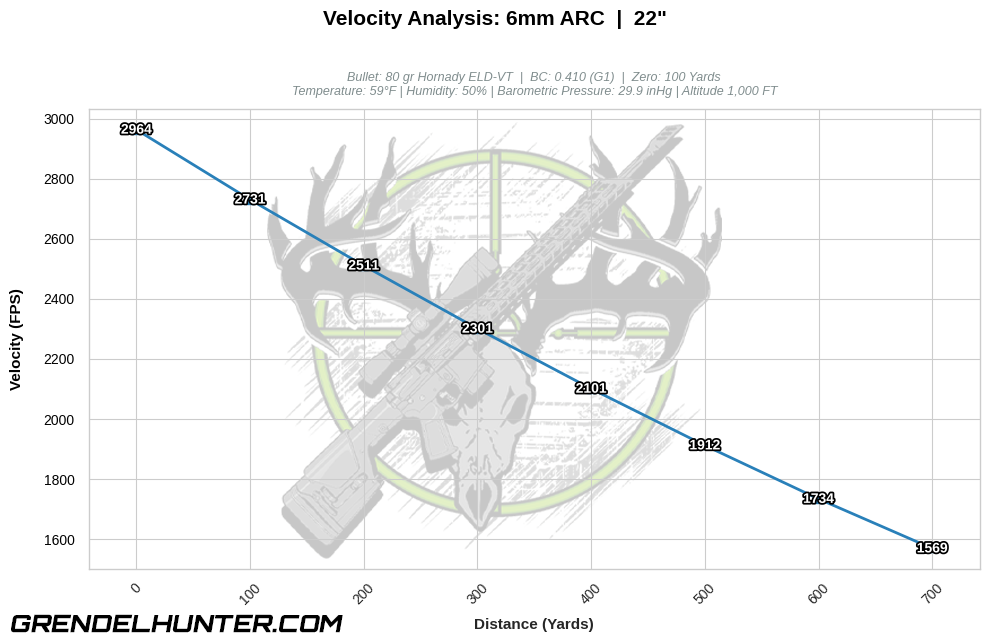
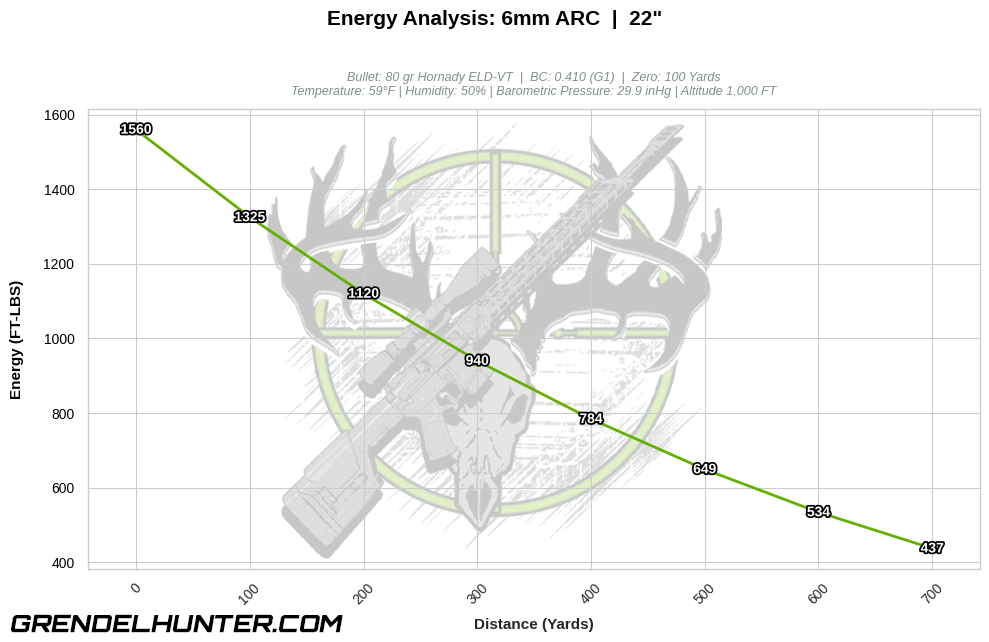
100 yard Velocity & Energy: 2,728 fps | 1,325 ft/lb
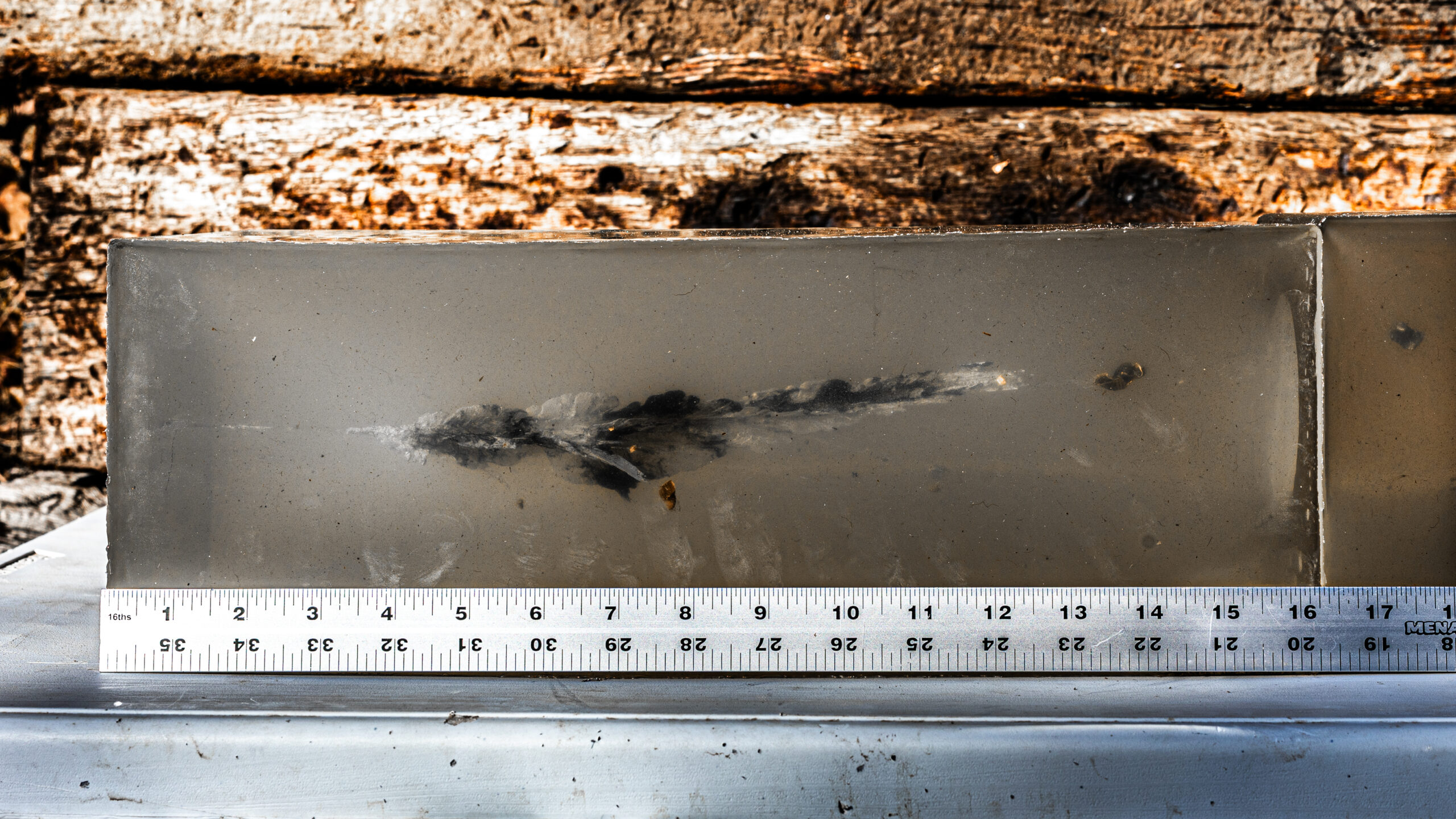
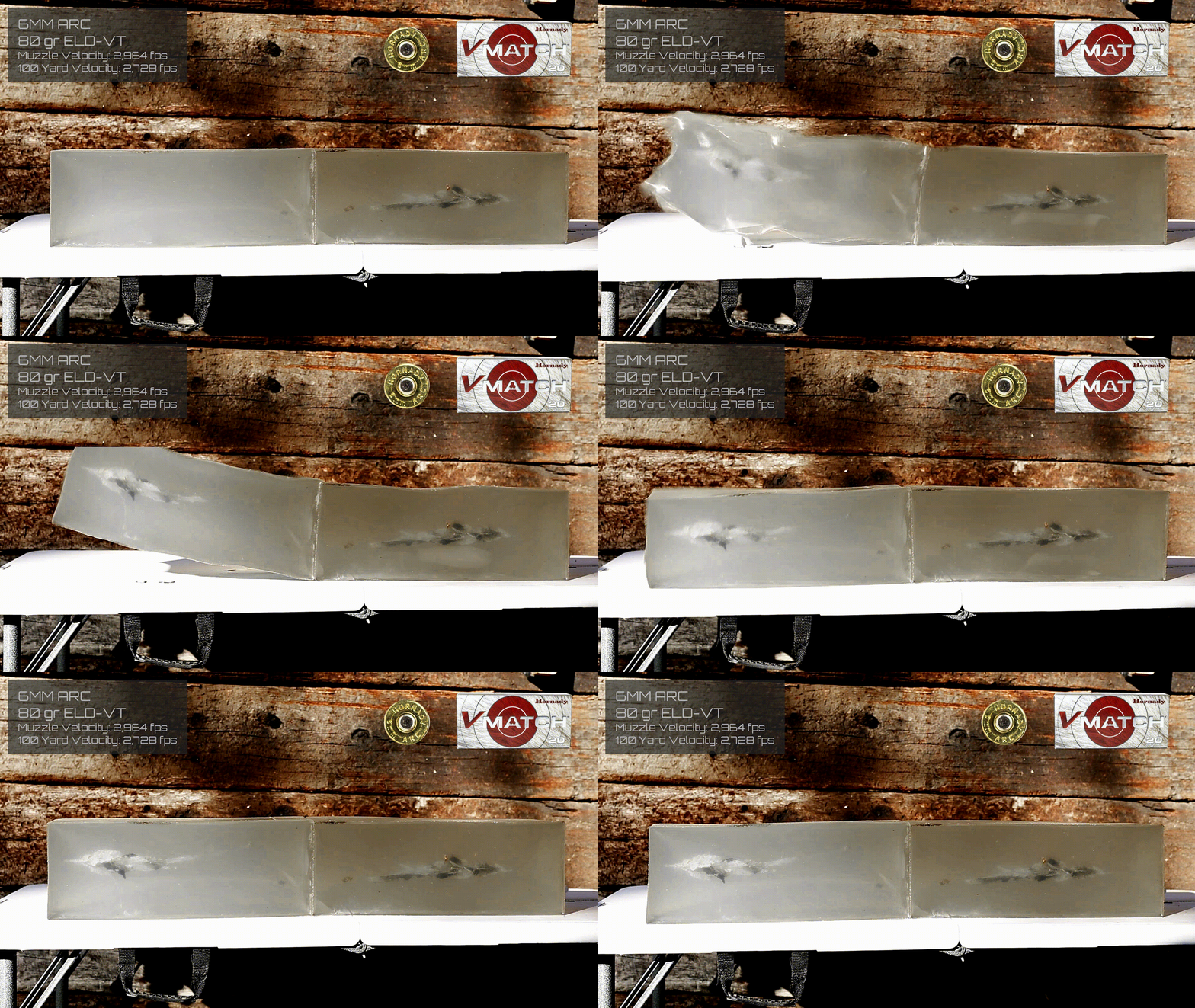
At 2,728 fps, the 80-grain ELD-VT enters the gel with the highest impact velocity of the four rounds. Unlike the 100-grain ELD-VT, it doesn’t wait long to start expanding. The bullet begins to open up almost instantly, creating a large wound cavity while shedding lead and copper fragments throughout the wound channel.
Looking through the gel, you can see a healthy mix of lead and copper fragments spread throughout the cavity, while the largest remaining portion of the bullet continues forward before finally coming to rest at approximately 12.5 inches.
Compared to the 100-grain ELD-VT, this is much more in line with the type of terminal performance I expected from a varmint bullet. It expands early, creates an impressive wound cavity, and still penetrates deep enough to carry fragments well into the gel.
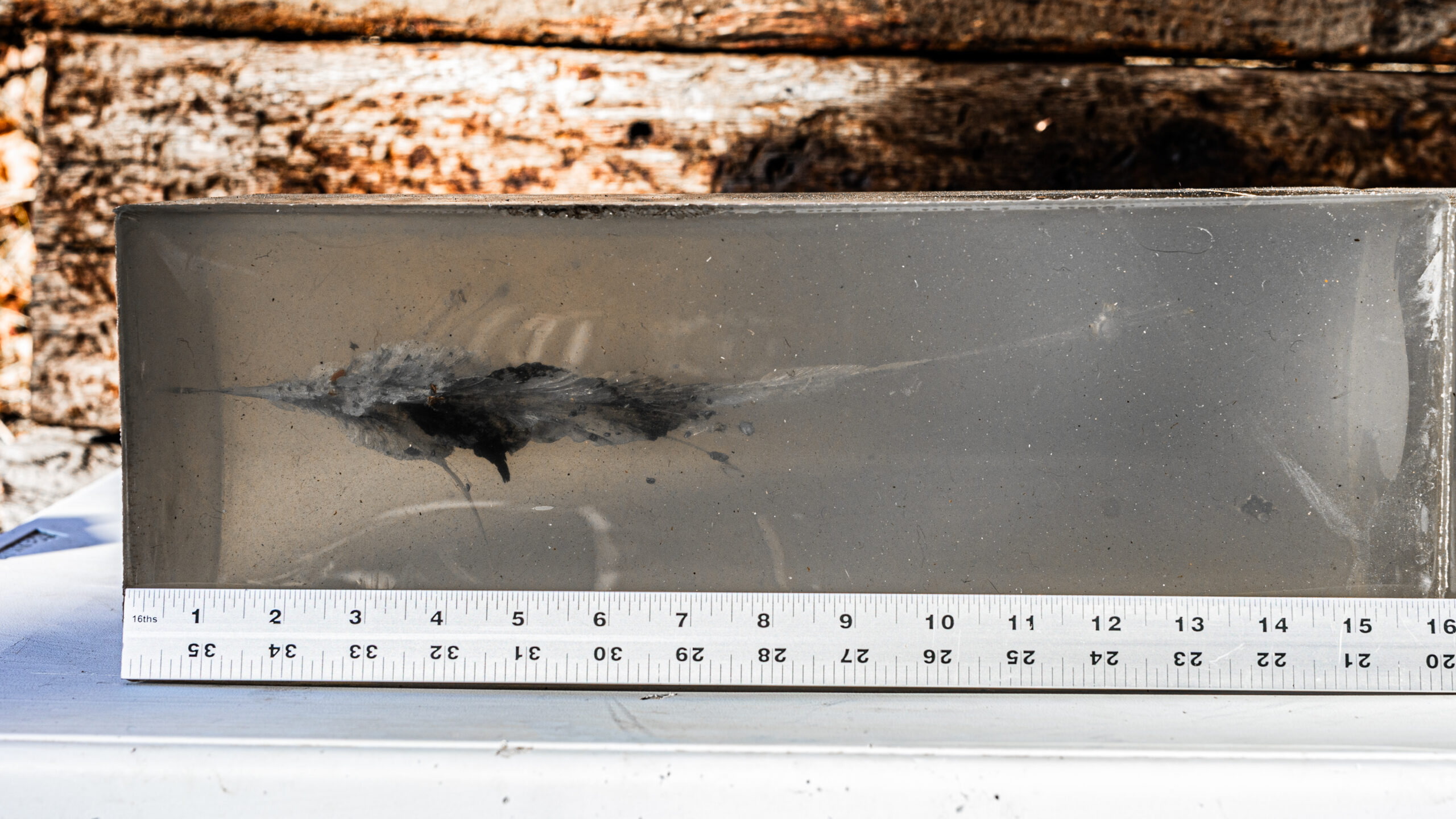
The 100-yard testing gave us a great look at how each bullet behaves with plenty of velocity behind it. Now it’s time to back up to 200 yards, where impact speeds begin to fall and bullet design plays a much bigger role.
6.5 Grendel 95gr V-Max | 200 Yard Test
200 yard Velocity & Energy: 2,272 fps | 1,088 ft/lb
At 2,272 fps, the 95-grain V-MAX has lost nearly 240 fps compared to the 100-yard test, but you certainly wouldn’t know it by looking at the gel. The bullet still expands almost immediately, creating a large wound cavity within the first few inches of penetration.
Looking through the gel, we can still see a healthy amount of lead and copper fragments surrounding the main wound channel. The largest remaining portion of the bullet continues forward before finally coming to rest at approximately 13 inches, showing that even with the lower impact velocity, the V-MAX is still transferring energy very quickly.
One thing that impressed me was how little the terminal performance changed between 100 and 200 yards. The wound cavity is still large, fragmentation looks very similar, and the bullet shows no signs of struggling at this impact velocity. Based on these results, I wouldn’t expect much difference in terminal performance on game between those two distances.
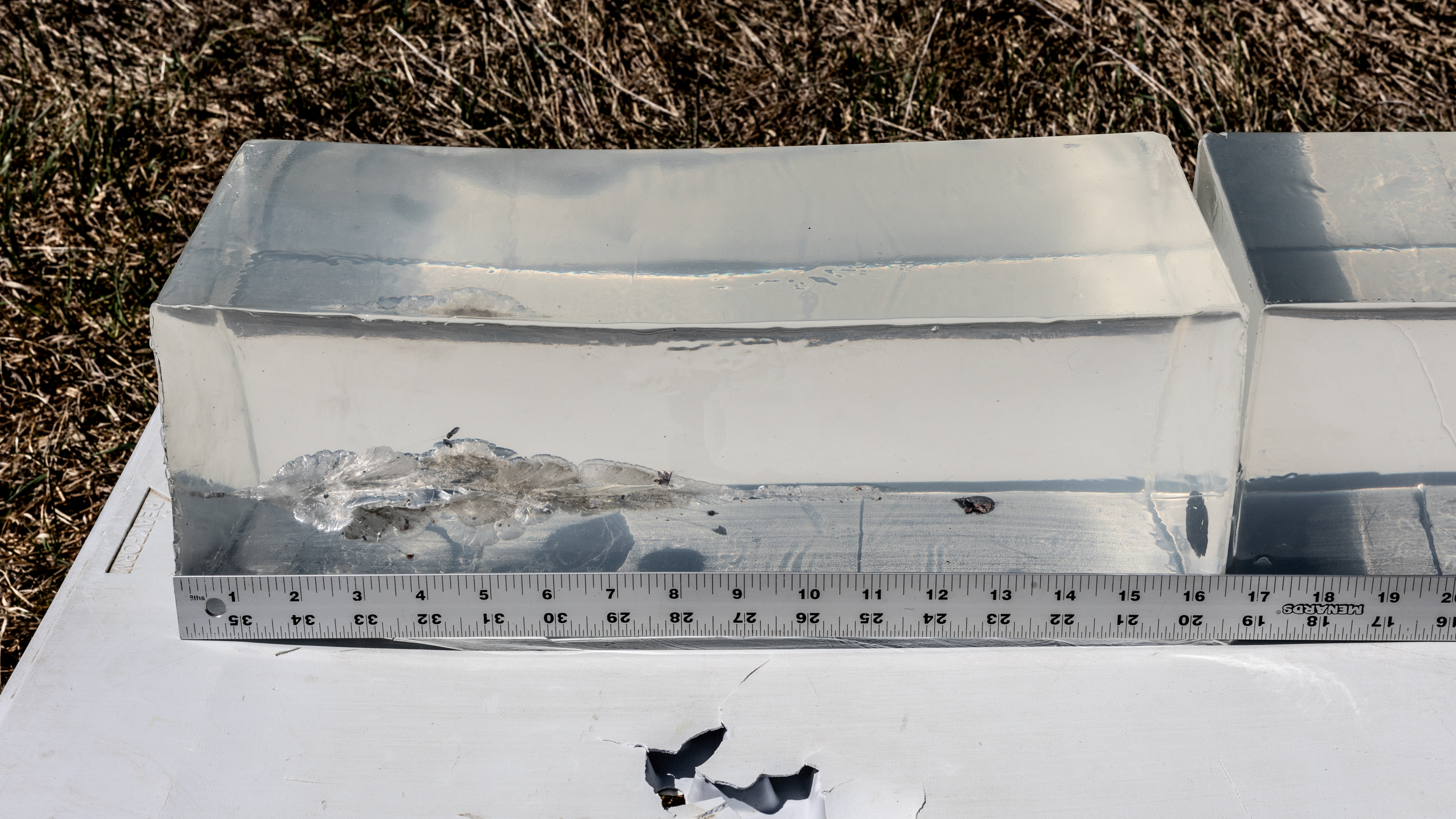
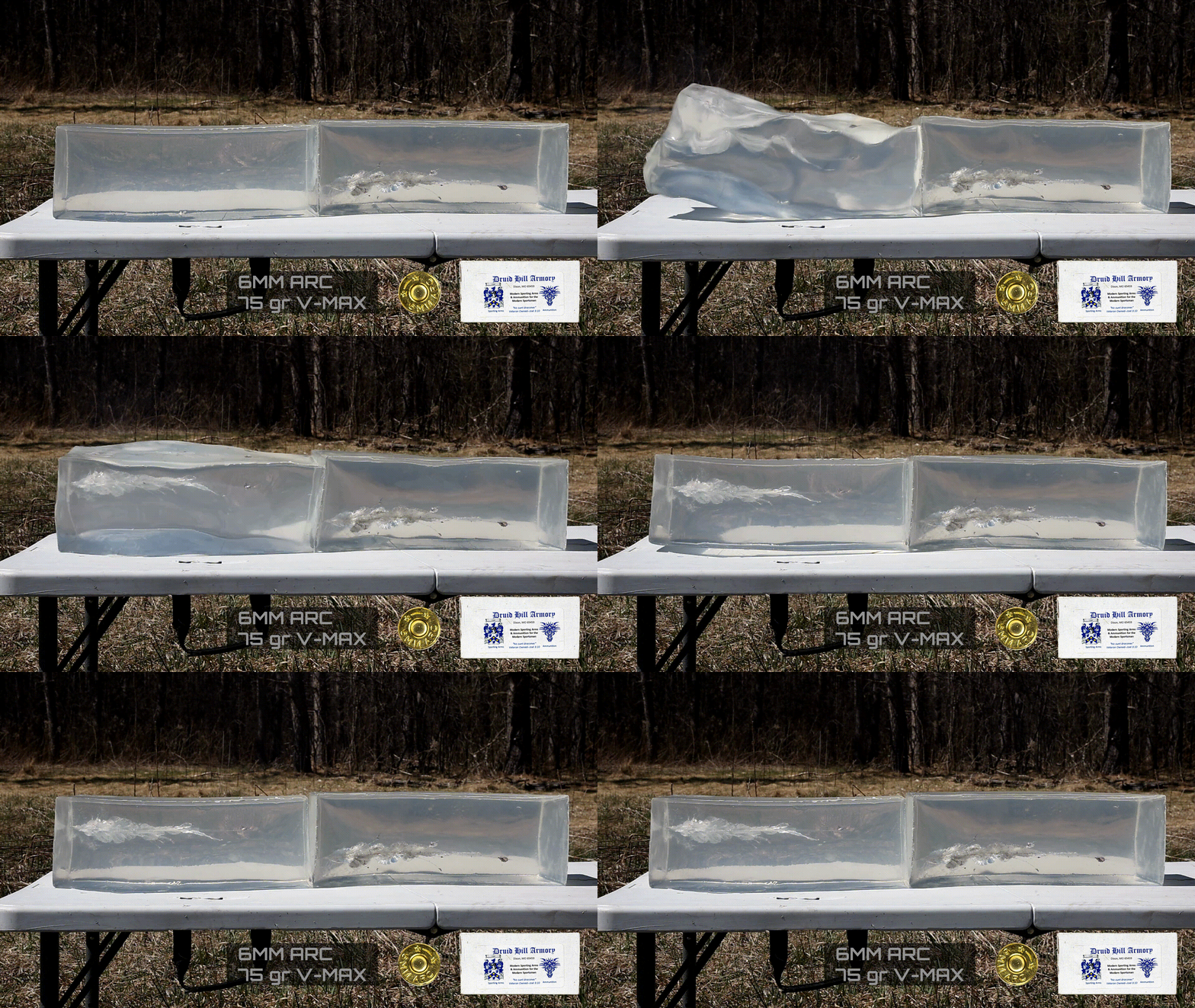
6MM ARC 75gr V-Max | 200 Yard Test
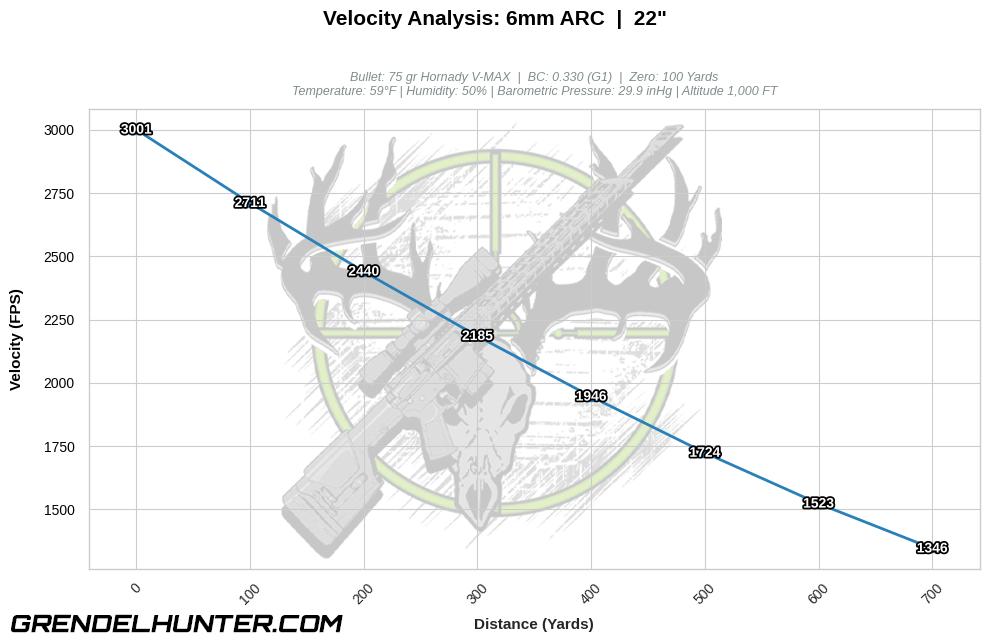
200 yard Velocity & Energy: 2,440 fps | 991 ft/lb
At 2,440 fps, the 75-grain V-MAX has slowed down by nearly 270 fps compared to the 100-yard test, but the terminal performance is still very impressive. The bullet begins expanding almost immediately after impact, producing a large wound cavity and a heavy concentration of fragments within the first several inches of penetration.
Looking through the gel, we can see that most of the lead and copper fragments are still concentrated near the front of the wound channel, while the largest remaining portion of the bullet continues forward before finally coming to rest at approximately 11.5 inches.
Compared to the 100-yard test, there really isn’t a dramatic difference in how this bullet performs. It still expands rapidly, fragments aggressively, and delivers most of its energy early in the wound channel. Even with the lower impact velocity, the 75-grain V-MAX doesn’t appear to be giving up any terminal performance at 200 yards.
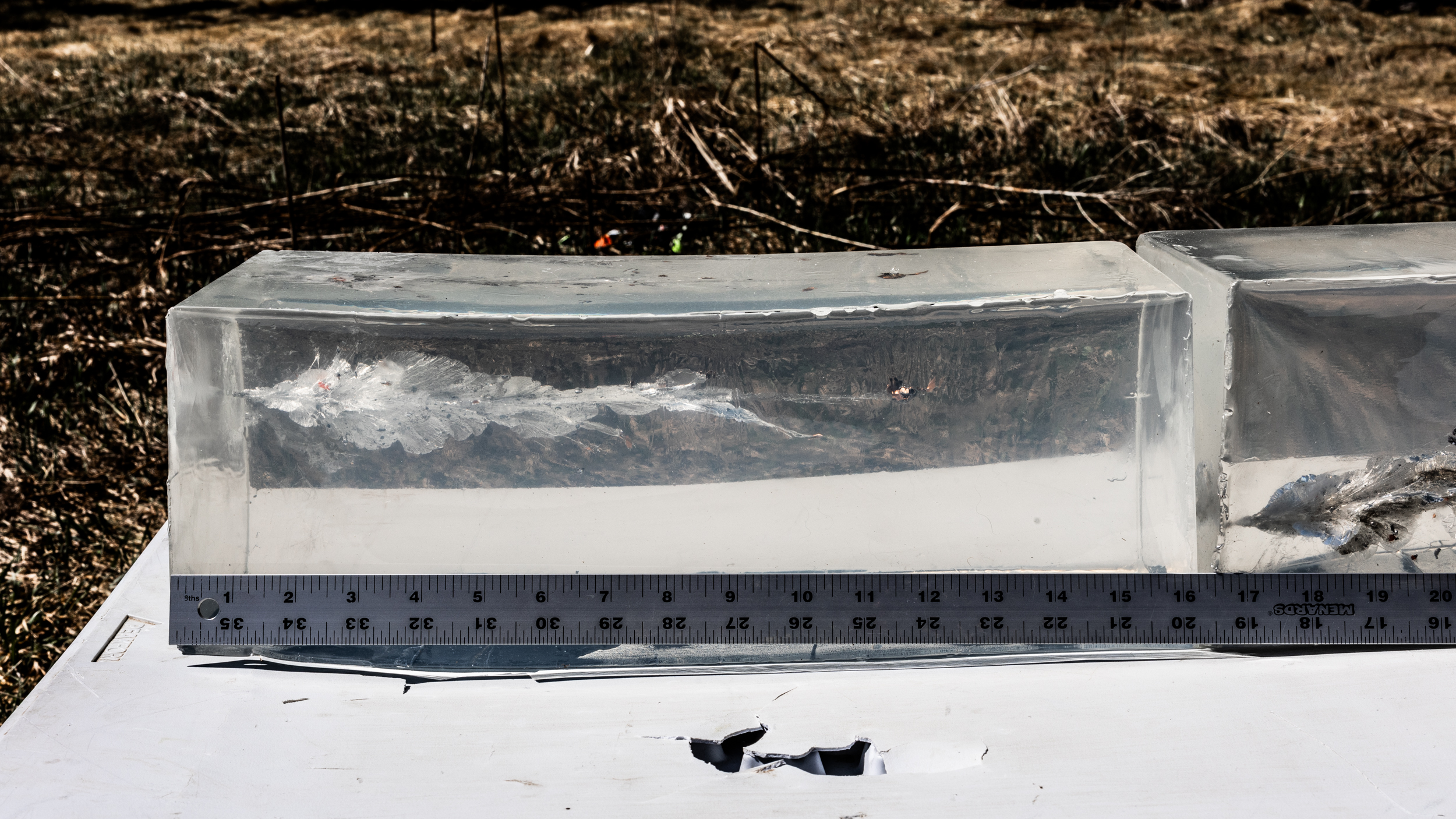
6.5 Grendel 100gr ELD-VT | 200 Yard Test
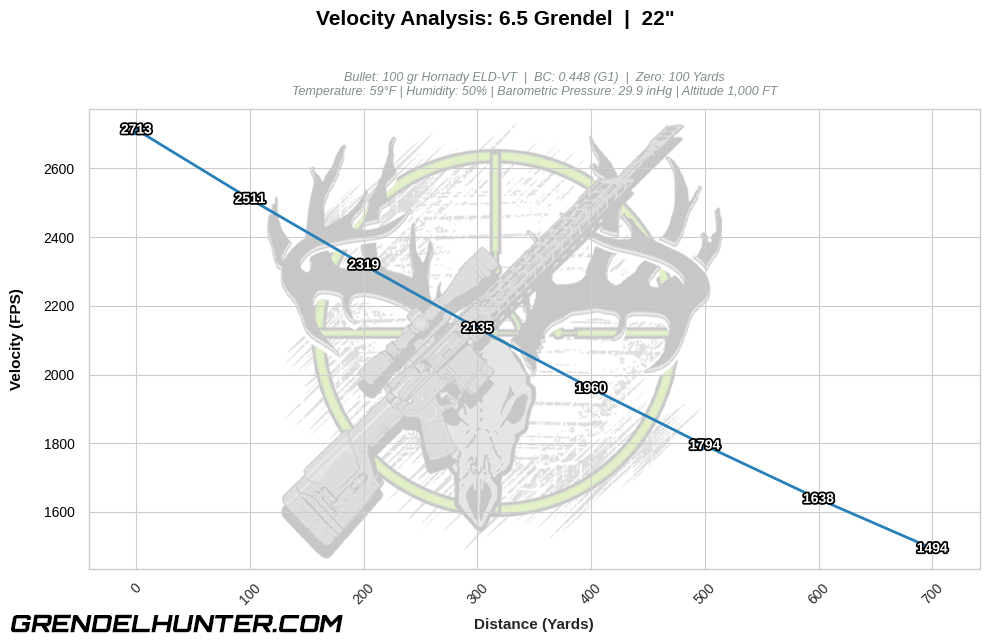
200 yard Velocity & Energy: 2,319 fps | 1,194 ft/lb
At 2,319 fps, the 100-grain ELD-VT has lost nearly 190 fps compared to the 100-yard test, but the overall terminal performance remains very similar. Just as we saw at 100 yards, the bullet stays together for the first 4 inches of penetration before beginning to expand and create a wound cavity.
Looking through the gel, we can see several large bullet fragments continuing deep into the block, with the largest remaining portions of the bullet coming to rest at approximately 17 and 22 inches.
As was the case at 100 yards, the 100-grain ELD-VT still doesn’t expand as quickly as either the V-MAX bullets or the 80-grain ELD-VT. Rather than producing a large number of small fragments, it breaks into fewer, much larger pieces that continue penetrating significantly deeper into the gel.
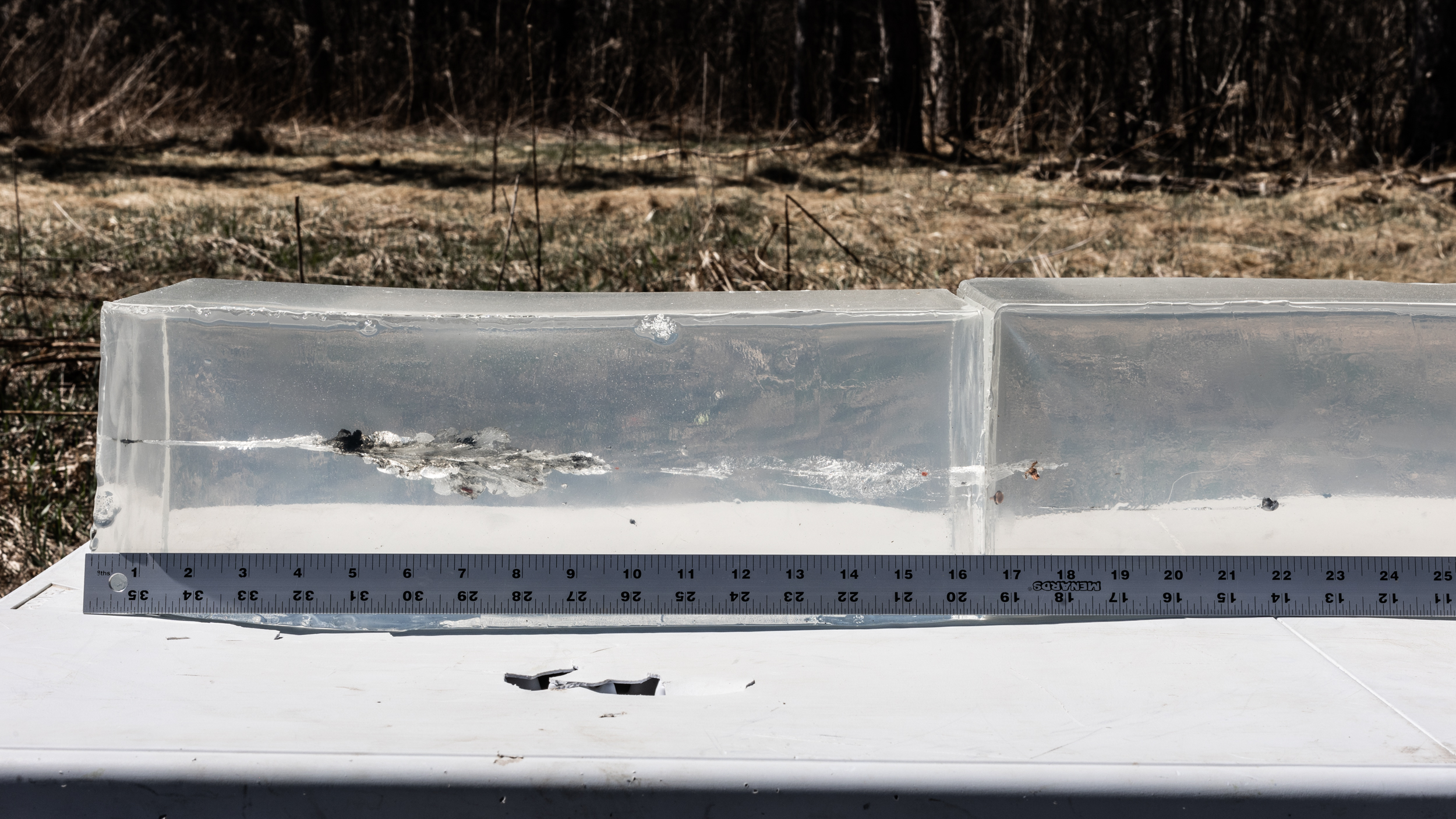
6MM ARC 80gr ELD-VT | 200 Yard Test
200 yard Velocity & Energy: 2,511 fps | 1,120 ft/lb
At 2,511 fps, the 80-grain ELD-VT has lost a little over 200 fps compared to the 100-yard test, but it doesn’t appear to have changed its personality much. The bullet seems to explode on impact, creating a devastating wound cavity that is littered with fragments.
Looking through the gel, we can see fragments scattered throughout the wound track, with the largest remaining piece coming to rest at approximately 10 inches. The majority of the bullet’s energy is deposited within the first half of the gel block, leaving behind a wide, destructive wound channel exactly where you would want it for a varmint bullet.
Even at 200 yards, the 80-grain ELD-VT continues to perform much like it did at 100 yards. Rapid expansion and extensive fragmentation remain the defining characteristics of this bullet, making it clear that it was designed to transfer energy quickly rather than penetrate deeply.
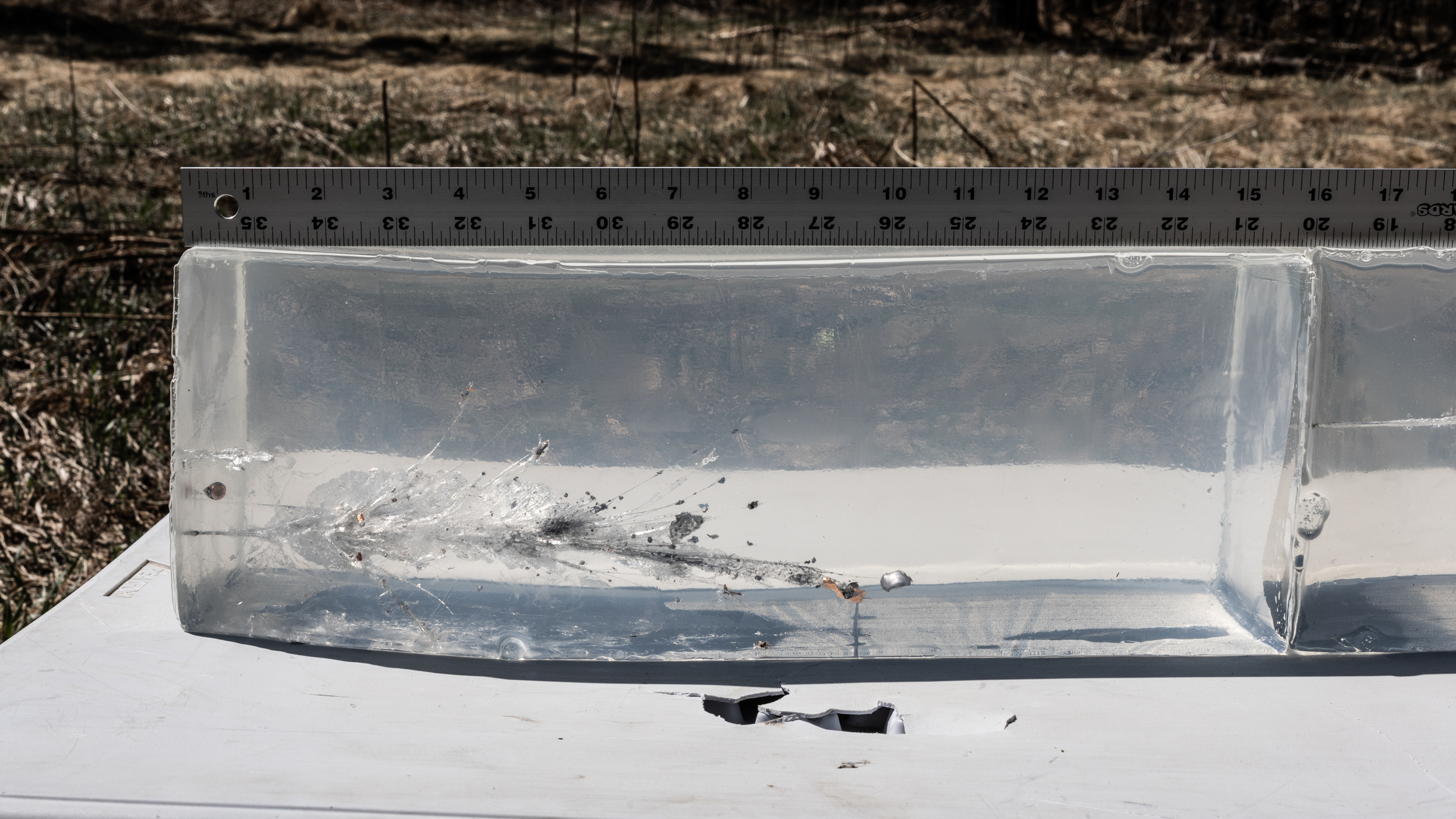
The 200-yard testing confirmed what we saw at 100 yards, but 300 yards is where things start to get really interesting. With impact velocities continuing to drop, we’ll get a better idea of which bullets continue to perform reliably and which begin to run out of steam.
6.5 Grendel 95gr V-Max | 300 Yard Test
300 yard Velocity & Energy: 2,047 fps | 883 ft/lb
At 2,047 fps, the 95-grain V-MAX has lost another 225 fps since the 200-yard test, and while the wound cavity is smaller than in the previous tests, it still delivers the kind of terminal performance I would expect from a dedicated varmint bullet. Expansion begins almost immediately upon impact, creating a respectable wound cavity from approximately 1 to 9 inches.
Looking through the gel, we can see fragments spread throughout the wound track, with nearly all of them concentrated within the first 9 inches. The main mass of the bullet continues to approximately 16 inches, but the majority of the bullet’s energy is transferred within the first half of the gel block.
Even at 300 yards, the 95-grain V-MAX continues to perform exceptionally well. Rapid expansion and aggressive fragmentation show that it still has plenty of velocity to produce devastating terminal performance at this distance.
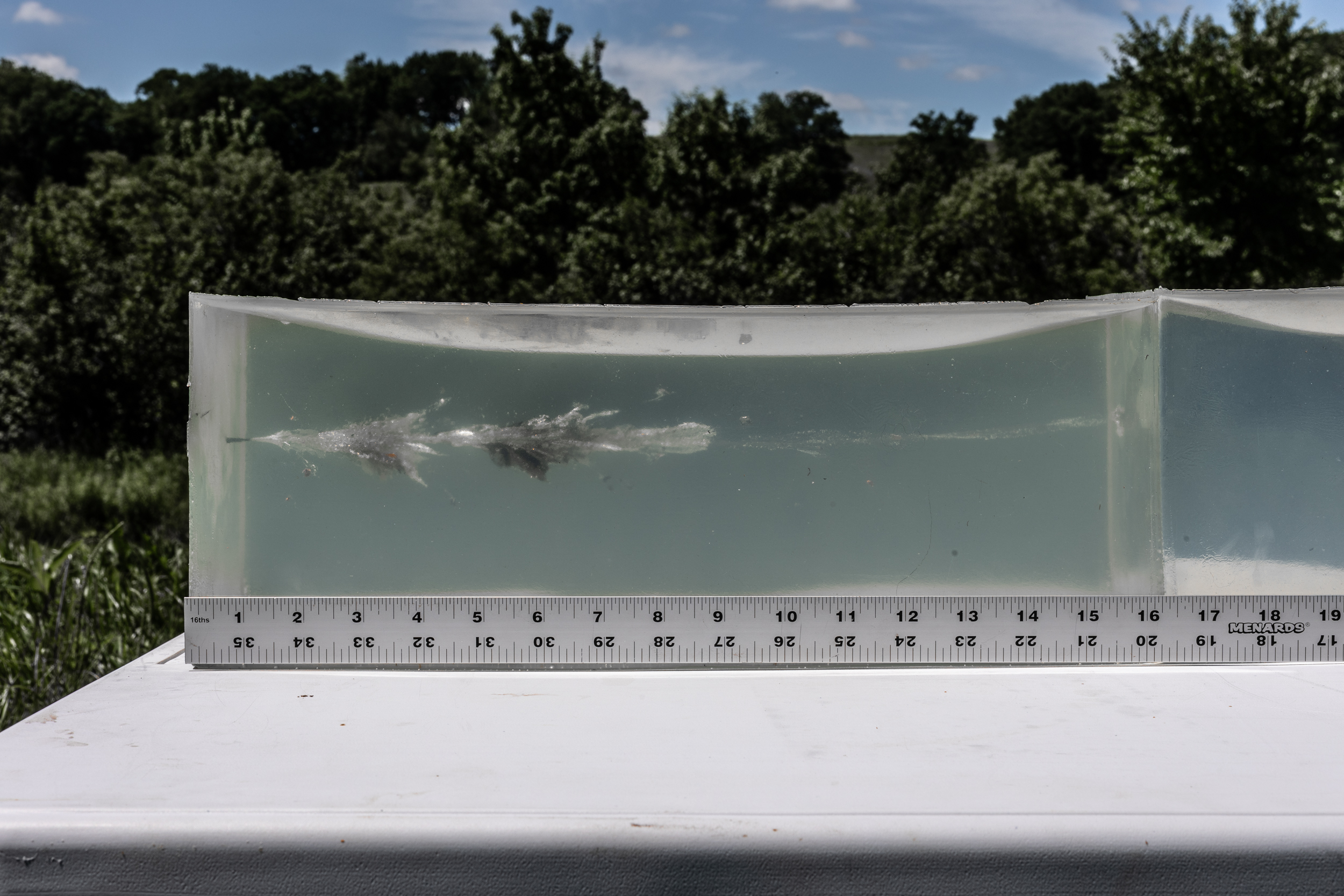
6MM ARC 75gr V-Max | 300 Yard Test
300 yard Velocity & Energy: 2,185 fps | 795 ft/lb
At 2,185 fps, the 75-grain V-MAX has lost another 255 fps since the 200-yard test, but it still delivers impressive terminal performance. The wound cavity is almost identical to what we saw at 200 yards, and the bullet still expands immediately upon impact, producing rapid fragmentation.
Looking through the gel, we can see fragments scattered throughout the wound track, with the largest remaining piece coming to rest at approximately 10 inches. The majority of the bullet’s energy is transferred within the first half of the gel block, creating a destructive wound channel right where I would want it on a coyote.
Even at 300 yards, the 75-grain V-MAX continues to perform exceptionally well. Rapid expansion and aggressive fragmentation remain the defining characteristics of this bullet, showing that it still has plenty of velocity to produce devastating terminal performance at this distance.
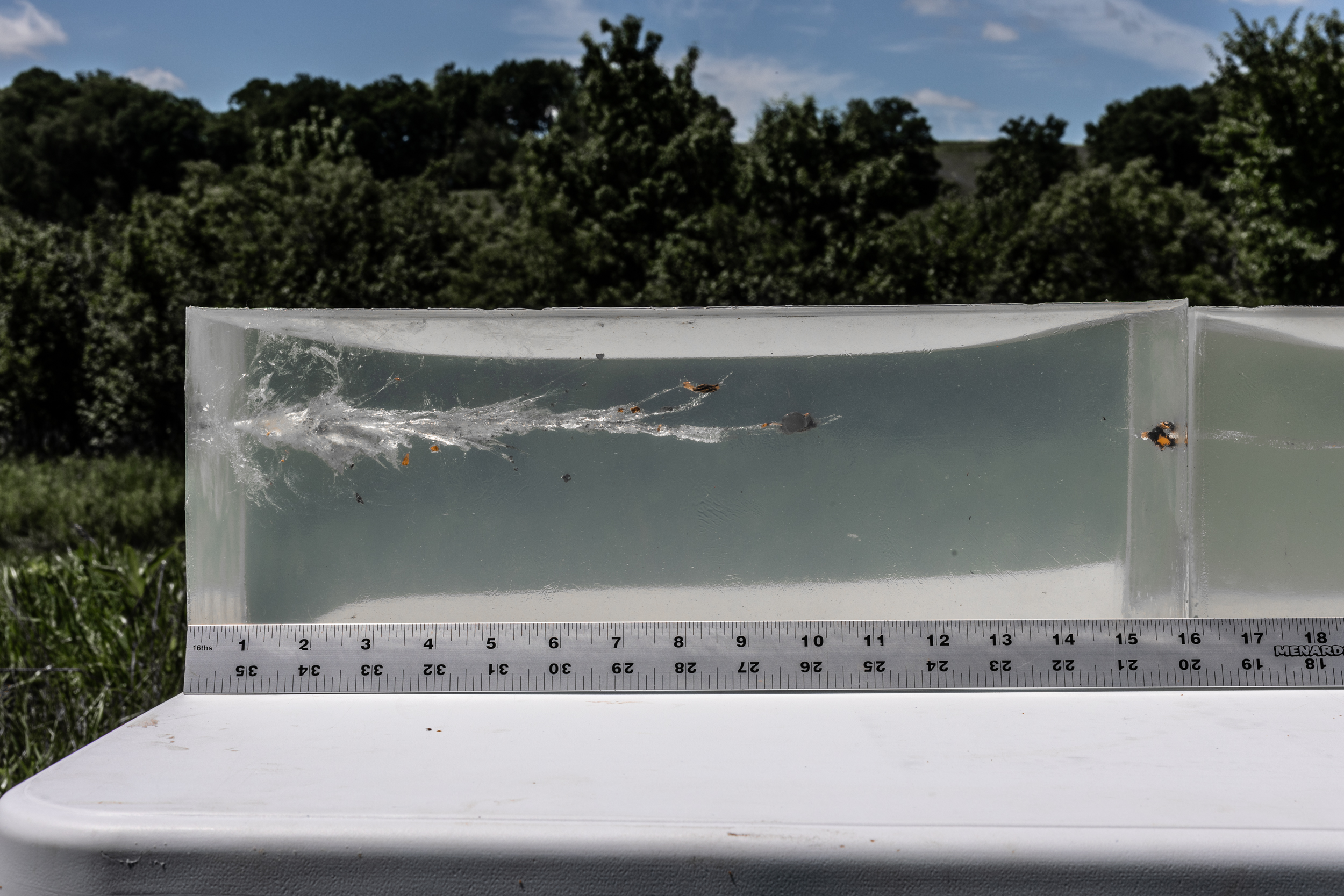
6.5 Grendel 100gr ELD-VT | 300 Yard Test
300 yard Velocity & Energy: 2,135 fps | 1,012 ft/lb
At 2,135 fps, the 100-grain ELD-VT has lost another 184 fps since the 200-yard test, but its overall terminal performance remains remarkably consistent. The bullet still stays together for the first several inches before beginning to expand, creating a wound cavity that extends from approximately 4 to 12.5 inches.
Looking through the gel, we can see several large bullet fragments continuing deep into the block, with the largest remaining pieces coming to rest between 16 and 21 inches. Even after the bullet begins to expand, it retains several substantial fragments that continue carrying momentum well beyond the primary wound cavity.
At 300 yards, the 100-grain ELD-VT continues to display the same characteristics we observed throughout the test. Delayed expansion, fewer but much larger bullet fragments, and deep penetration remain the defining traits of this bullet. Its terminal performance is noticeably different from both the V-MAX bullets and the 80-grain ELD-VT, consistently favoring deeper penetration over rapid fragmentation.
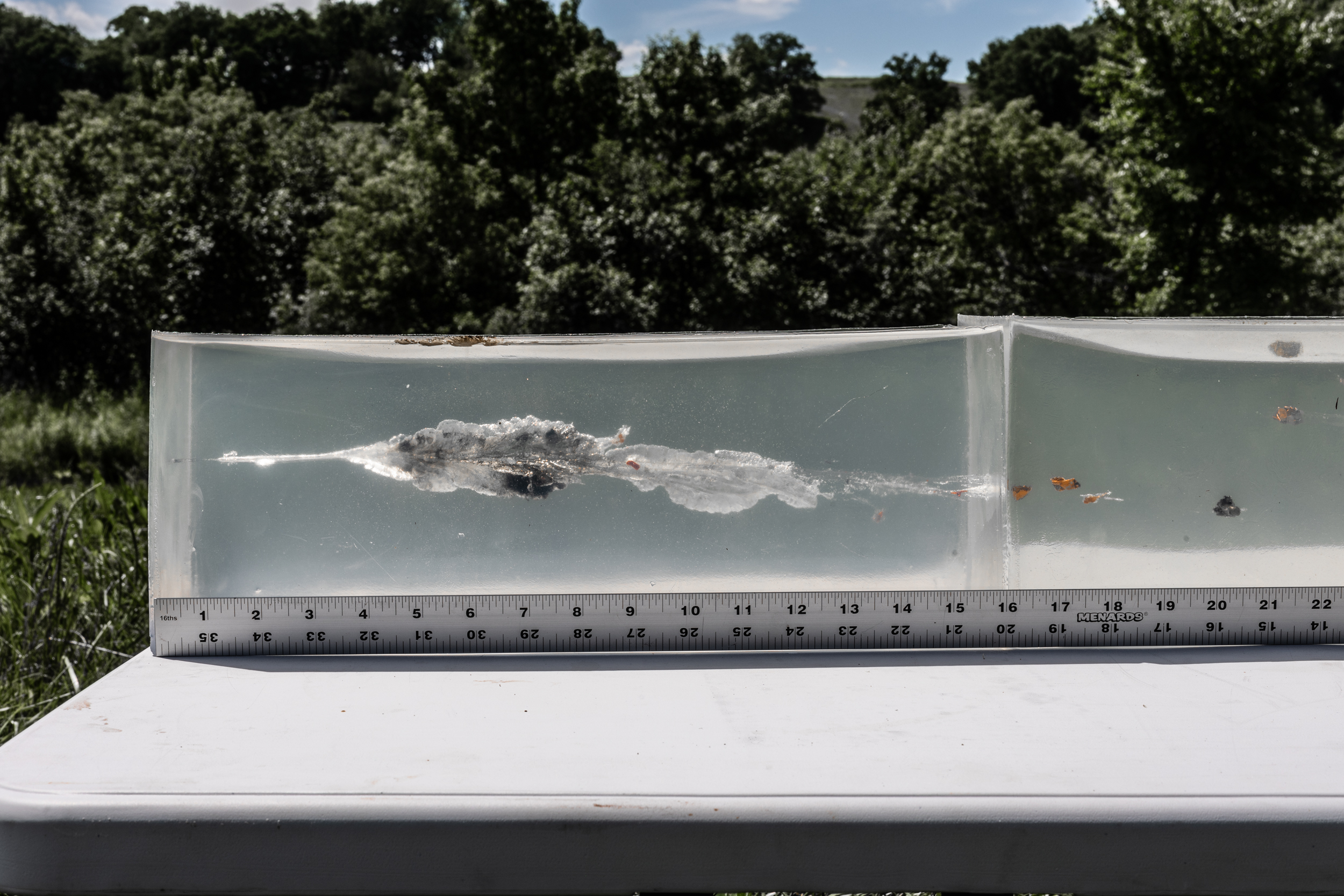
6MM ARC 80gr ELD-VT | 200 Yard Test
300 yard Velocity & Energy: 2,301 fps | 940 ft/lb
At 2,301 fps, the 80-grain ELD-VT has lost another 210 fps since the 200-yard test, but it continues to deliver impressive terminal performance. The bullet still expands immediately upon impact, creating a large wound cavity full of fragments.
Looking through the gel, we can see fragments scattered throughout the wound track, with the largest remaining piece coming to rest at approximately 12.5 inches. Just like in the previous tests, the majority of the bullet’s energy is transferred within the first half of the gel block, creating a destructive wound channel exactly where I would want it for a varmint bullet.
Even at 300 yards, the 80-grain ELD-VT continues to perform much like it did throughout the rest of the test. Rapid expansion and aggressive fragmentation remain the defining characteristics of this bullet, showing that it still has plenty of velocity to produce devastating terminal performance at this distance.
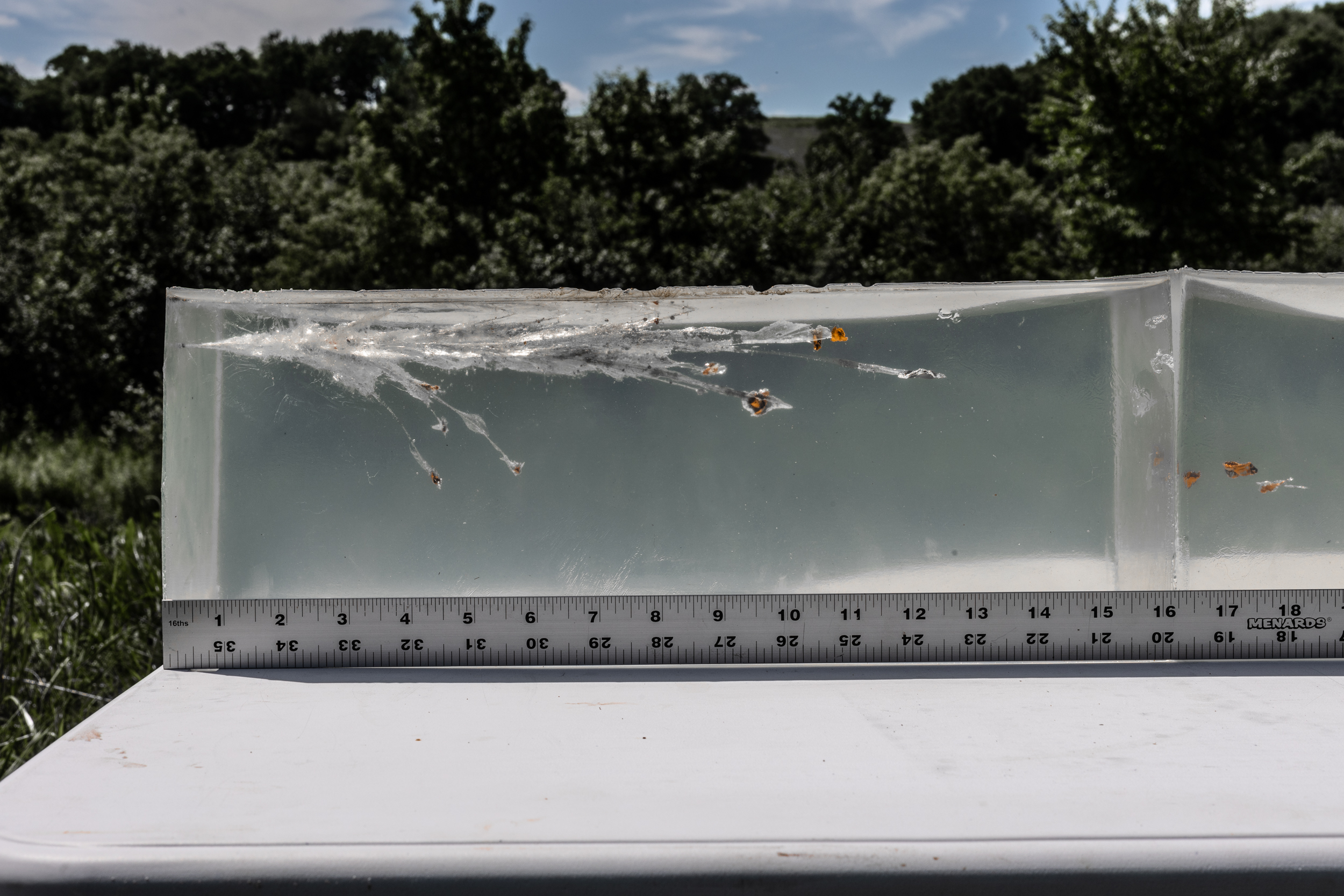
Final Thoughts
Well, like I said at the beginning of this post, the goal of this test wasn’t to declare a “winner,” but to provide useful data to help hunters like myself decide between different calibers and bullet types. That being said, when comparing the 95-grain V-MAX to the 100-grain ELD-VT, it’s hard not to have a favorite. The 95-grain V-MAX performed exceptionally well as a varmint bullet, while the 100-grain ELD-VT simply didn’t produce the kind of terminal performance I was expecting.
As for the 6mm ARC, it was great to see the consistency of both the 75-grain V-MAX and 80-grain ELD-VT. From 100 to 300 yards, both bullets expanded rapidly, fragmented aggressively, and continued to deliver excellent terminal performance. If I were looking for a dedicated varmint or predator bullet, I wouldn’t hesitate to use either one.
At the end of the day, what works best for one hunter may not be the best choice for another, and that’s exactly why we wanted to run this test. Hopefully these results help you decide which caliber and bullet best fit your style of hunting.
If you’ve had different experiences with any of these bullets, or if there’s anything you’d like to add, we’d love to hear from you in the comments below.
Thanks for reading, and good luck this hunting season!