
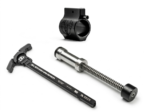



Grendel Hunter “Suppressed AR-15 Upgrade” Bundle
$193.99 Original price was: $193.99.$174.99Current price is: $174.99.
Grendel Hunter Suppressed AR-15 Upgrade Bundle
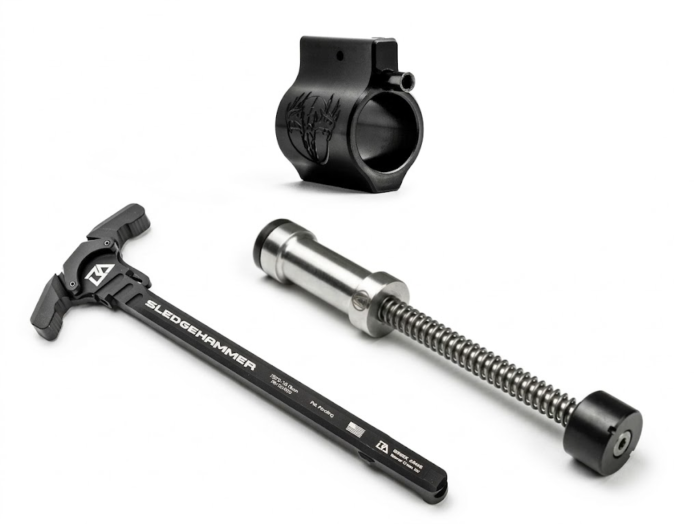
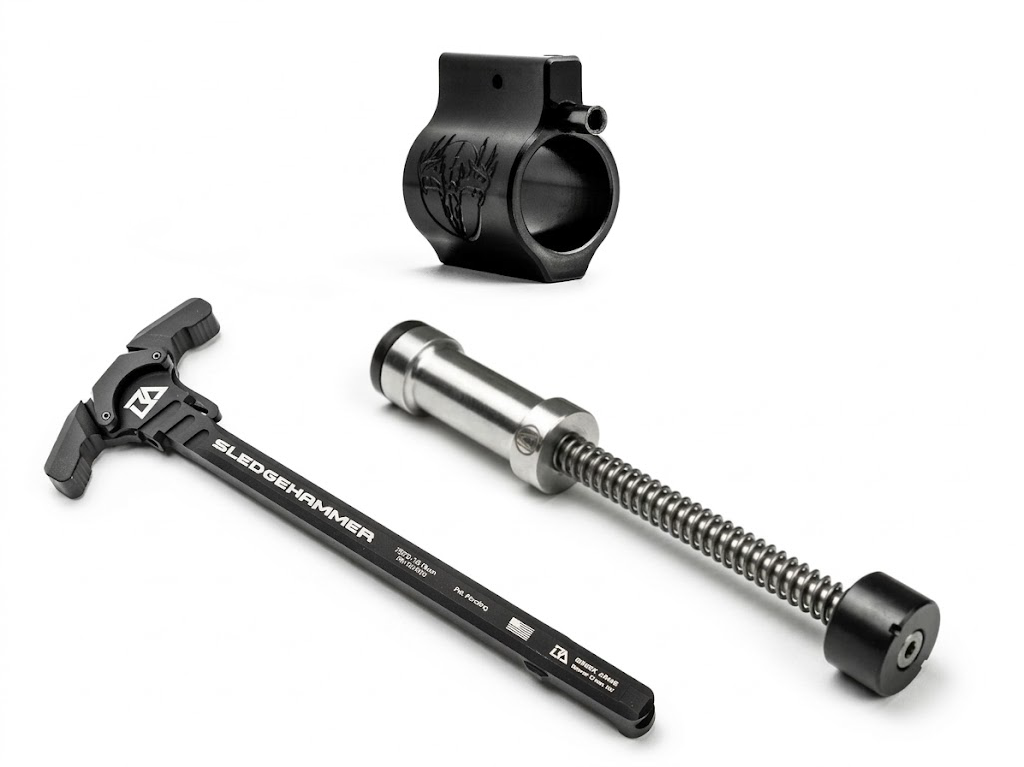
Tame your suppressed rifle with the Grendel Hunter Suppressed AR-15 Upgrade Bundle. This curated trio of premium components is specifically designed to manage the increased backpressure of a silencer, providing a smoother, cleaner, and quieter shooting experience at an unbeatable value.
What’s Included:
-
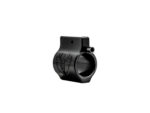
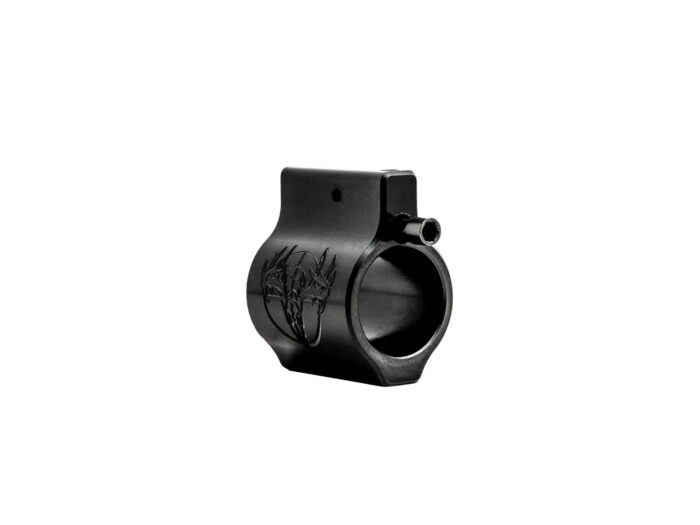
Grendel Hunter .750 Click Adjustable Gas Block Take total control of your rifle’s cycling. Crafted from 4140 PHT steel with a Black Nitride finish, this block features 22 clicks of adjustment and a zero-shutoff setting. It allows you to tune your gas flow perfectly for your specific suppressor and load, reducing internal wear and felt recoil.
-
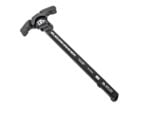
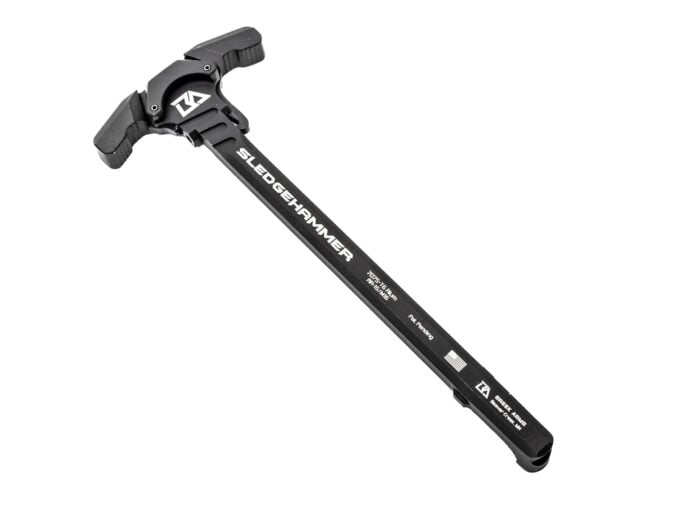
Sledgehammer AR-15 Gas Blocking Charging Handle The ultimate barrier between you and excess blowback. The Sledgehammer is engineered with more gas-reducing features than any handle on the market, specifically designed to port gases away from the shooter’s face. It’s the professional’s choice for staying comfortable and clear-eyed during high-volume suppressed fire.
-
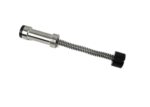
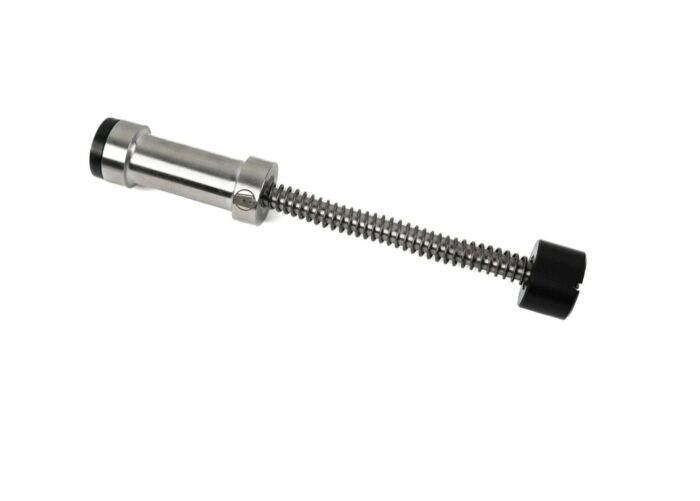
Armaspec SMB™ Gen3 Sound Mitigation Buffer (H2 – 4.7oz) Upgrade your internal acoustics and cycling. This single-stage drop-in replacement eliminates the “cheese grater” scratching sound of standard springs. The 4.7oz H2 weight provides the necessary mass to slow down the bolt carrier group, ensuring reliable feeding and a significantly softer recoil impulse.
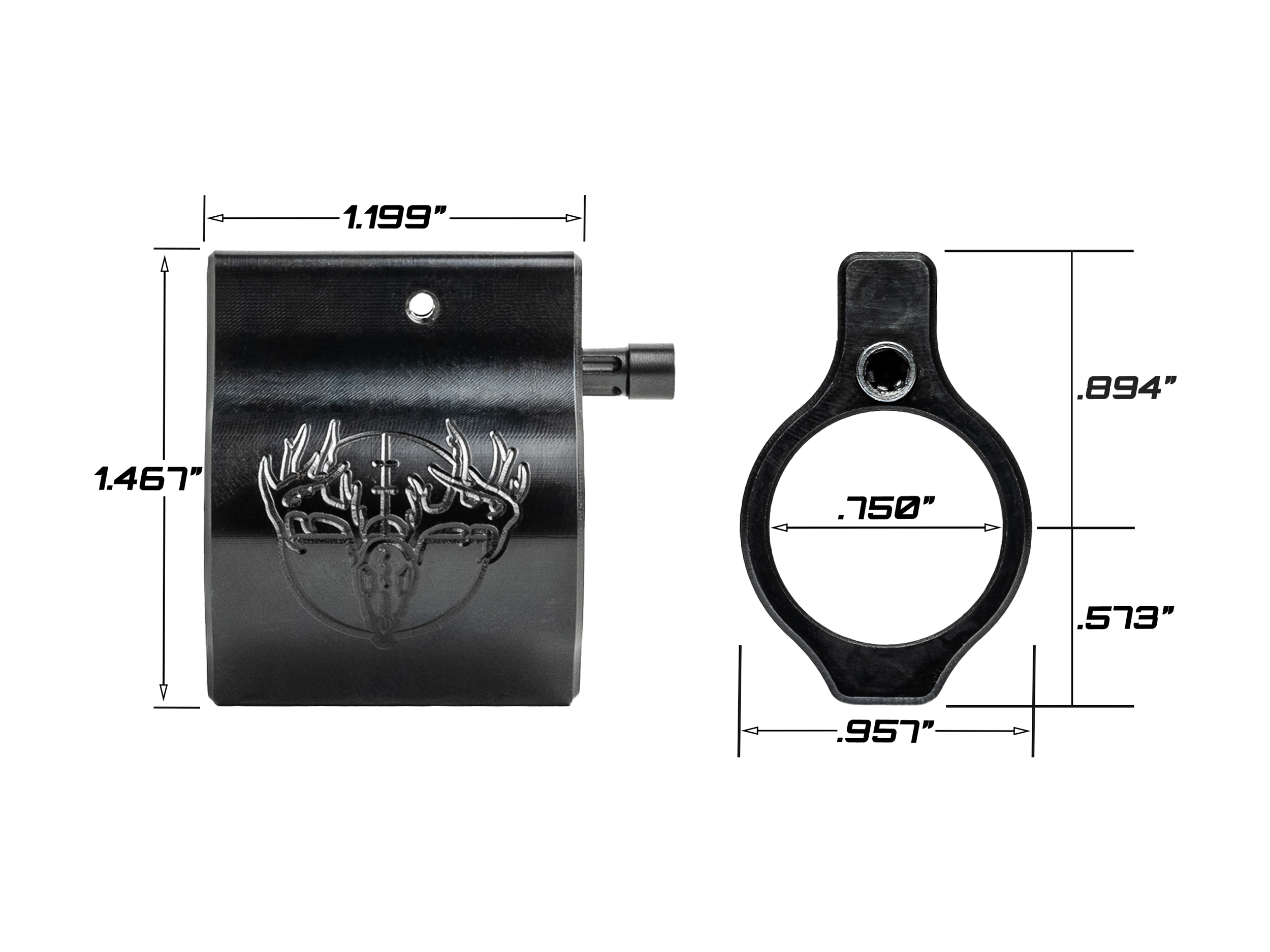
Grendel Hunter .750 Click Adjustable Gas Block
| Specs | ||
| Gas Block Material | 4140 PHT | |
| Gas Block Finish | Black Nitride | |
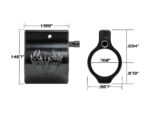
| Adjustment Screw Details | 303 SS 1/8 Hex 22 Clicks of adjustment with zero shutoff |
|
| Adjustment Screw Finish | Black Nitride | |
| Weight | 2.2 oz | |
| Height | 1.467” | |
| Width | .957” | |
| Length | 1.20” | |
| Set Screws | 3x 3/32 Hex | |
| Made in the U.S.A. | ||
Gas Block Adjustment Instructions
How to Tune Your AR-15 with an Adjustable Gas Block
Before installing the gas block, we recommend taking a minute to look at how it works. If you begin with the adjustment screw turned all of the way in, you can see that it is completely covering the gas port hole. If you fire the rifle with this setting, you’ll likely see your rifle lock up. The bolt won’t rotate, the carrier won’t travel rewards and the spent case will stay stuck in the chamber. Now if you shine a light on the gas port hole as you begin to adjust the screw out, you’ll first begin to see it open up at about 8 clicks. From here, you have 20+ additional clicks to reach full open. So although you’ll get more than 22 clicks before the adjustment screw comes out the front of the block, the actual range where you’re making an adjustment to the flow of gas is between about 7 or 8 clicks and 28 or 29 clicks. There is no need to go past 30 clicks from the fully closed position.
When choosing an initial gas setting to try, you probably don’t want to start with it fully closed (0 – 7 clicks). Knowing that the rifle can’t function without at least some gas, it’s usually a waste of time and ammo on that setting. If your rifle is over gassed by a decent amount, as is usually the case when using a suppressor, try starting with a setting of 10 or 12 clicks from fully closed. If your rifle is only mildly over gassed, you may want to try a setting of 20 or 22 clicks from fully closed. From your initial setting you can make adjustments in (less gas) or out (more gas) as the situation dictates.
Things to Look For
- Cycling – The rifle should fire, extract and eject the spent case and then strip and load a new round from the magazine. If the rifle is extracting the spent case, but it doesn’t eject it and tries to load a new round causing a jam, this is usually a sign of an over-gassed AR-15. The bolt is flying back forward and trying to load another round before the spent case has cleared the ejection port*. You may see what’s called a stove pipe where the spent brass is sticking partially out of the ejection port looking kind of like a stove pipe coming out the roof of a house. In this case, you’re going to want to turn the gas down a bit. If the rifle is extracting, but not ejecting or trying to load another round, it’s going to need some more gas. If the BCG is making it through extraction and ejection, but not picking up the next round, it’s going to need some more gas. These last two examples are usually signs of a short stroke**. A short stroke is usually a sign of not having enough gas for the BCG to make it far enough to the rear***.
- Locking Back – The BCG should lock to the rear on an empty mag after firing the last round. If the rifle is cycling fine, but goes back into battery after ejecting the last round rather than locking to the rear, this is also usually a sign of a short stroke. The BCG makes it back far enough to strip rounds from the magazine, but not far enough to lock open. If your BCG is locking back after the last round, you should still check to see that the bolt itself is engaged with the bolt catch. When a rifle is just barely under gassed, it is not uncommon to see the bolt catch engage with the front of the carrier rather than the bolt. The BCG didn’t quite make it back far enough for the bolt catch to block the bolt, but it will catch on the front of the carrier. An easy way to tell is to look at the bolt when the BCG is locked open. If the bolt itself is protruding out over the magazine a little bit, the catch caught the carrier and it needs just a touch more gas.
- Brass Ejection Pattern – The ejection pattern of brass is not a perfect way to determine if or by how much an AR is over or under gassed. Other factors such as the buffer system, ejector, extractor etc can come into play. However, let’s assume that all other things are normal because ejection patterns can be a very useful tool, especially for fine tuning your gun. If you’ve gone through the above bullet points and your rifle is cycling and locking back properly, then look at where your brass is landing. If your brass is landing somewhere near 4 o’clock, you probably have a perfectly tuned rifle. If your brass is landing at 2 o’clock (forward a little bit), then you are probably still a little bit over gassed.
*Something else that can cause this exact same malfunction is an extractor hanging on to the spent brass longer than it should. Three reasons this might occur: 1. The extractor has too much tension on it. 2. The extractor is digging into the brass excessively possibly due to it being too sharp or pointy. 3. Overly soft brass. In any case, even a properly gassed gun can present as one that is over gassed if there’s a problem with the extractor letting go of the brass.
**In cases of extreme over gassing or a rifle running way too fast for the magazine, the bolt may move all the way back extracting and ejecting the spent case and then begin moving forward before the next round is lifted into place. What looks like a short stroke can actually be a bad magazine or an over gassed gun.
***Things other than insufficient gas can cause a BCG to not travel all the way to the rear (short stroke). For example, some after market bolt catches make contact with some aftermarket uppers thus preventing them from fully disengaging. Since the bolt catch is partially engaged, it is rubbing on the BCG when cycling thus wasting some of the energy and causing it to short stroke. Another example is that of a magazine being held slightly too high in the lower. Whether due to the lower’s magazine catch area being milled slightly too high or the magazine being bad, the result is the same. Extra pressure on the bottom of the carrier while cycling wastes energy. A buffer spring that is too stiff or ammo that is too light can give you the same result: A short stroke.
SLEDGHAMMER AR-15 Gas Blocking Charging Handle
The Sledgehammer is the ultimate solution for enthusiasts and professionals seeking top-tier performance and unparalleled reliability, especially when shooting suppressed. Crafted with precision, this feature-rich charging handle offers reliable high performance at an approachable price point resulting in unmatched value for shooters.
With more gas-reducing features than any other charging handle on the market, the Sledgehammer excels at porting gases away from the shooter’s face. The unique design elements effectively mitigate excess gas pressure away from the shooter’s face, enhancing the shooting experience.
Sound Mitigation Buffer ™- SMB ™ GEN3 – H2 (4.7oz)
The Armaspec Gen3 Sound Mitigation Buffer™ SMB ™ is a single-stage drop-in replacement for your standard buffer and spring. The Sound Mitigation Buffer ™ is designed to keep the buffer spring from rubbing against the inner wall of the buffer tube providing smooth, quiet operation.
Reviews
There are no reviews yet.