



QUESTIONS? CALL US AT 715.790.1322

6.5 Grendel Ballistics | 123gr SST vs 115gr TAC-TX

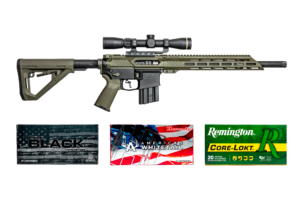
Caliber: 6.5 Grendel | Barrel Length: 22” | Test Distance: 100 Yards

Bullet: 123gr Hornady SST (.510 B.C.) | Muzzle Velocity: 2,462 FPS | Muzzle Energy: 1,655 FT/LB | S.D. 10 FPS

Bullet: 115gr Barnes TAC-TX (.387 B.C.) | Muzzle Velocity: 2,551 FPS | Muzzle Energy: 1,661 FT/LB | S.D. 9 FPS

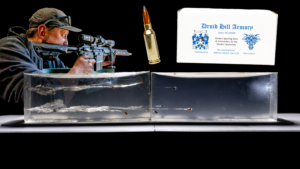
In this post and video we’ll be taking a close look at two popular 6.5 Grendel  loads with bullets designed for game like deer, pigs and antelope: The Hornady 123gr SST and the Barnes 115gr TAC-TX. Near the end we’ll show you the graphs with the ballistics data we collected for both loads. But before that, we want to take a look specifically at how their manufacturers say these bullets will perform and then see if they do it when we shoot them. 


From the Manufacturers

Hornady

The SST is a polymer tipped, copper jacketed, lead core bullet. According to Hornady the SST is “designed to deliver tremendous shock on impact while expanding quickly and reliably, particularly at higher velocities”. They say that, “a mid-body cannelure helps keep the core and jacket together” and also, regarding their exclusive Interlok ring, it is designed to “lock the core and the jacket together to maintain bullet integrity during bullet expansion, ensuring maximum weight retention and increasing the chances of complete pass-throughs.” 

So from the SST, here’s what we’re looking for:

    • We want to see it expand quickly
    • We want the lead core and copper jacket to stay together
    • We want good weight retention, meaning not too much fragmenting
    • And finally we’re looking for deep penetration

Hornady says it’ll do these things, so we’re going to find out.

Barnes

The Barnes TAC-TX is a polymer tipped special purpose expanding monolithic bullet.  According to Barnes These all-copper bullets provide destructive power, double-diameter expansion, maximum weight retention, and devastating energy transfer” They also say thatThe .264″ 6.5mm 115gr TAC-TX BT was designed and optimized around the 6.5 Grendel and its velocity range” and that they “have better weight retention than lead-core bullets.”

So from the TAC-TX, here’s what we’re looking for:

    • Double diameter Expansion of the bullet, meaning we want to see it at about .528”
    • Maximum weight retention, so the recovered bullets should weigh close to what they did before being fired
    • Better weight retentions than the lead core SST
    • We want to see devastating energy transferred to our targets

That’s what Barnes says it’ll do, so that’s what we’re going to be looking for. 

Test #1

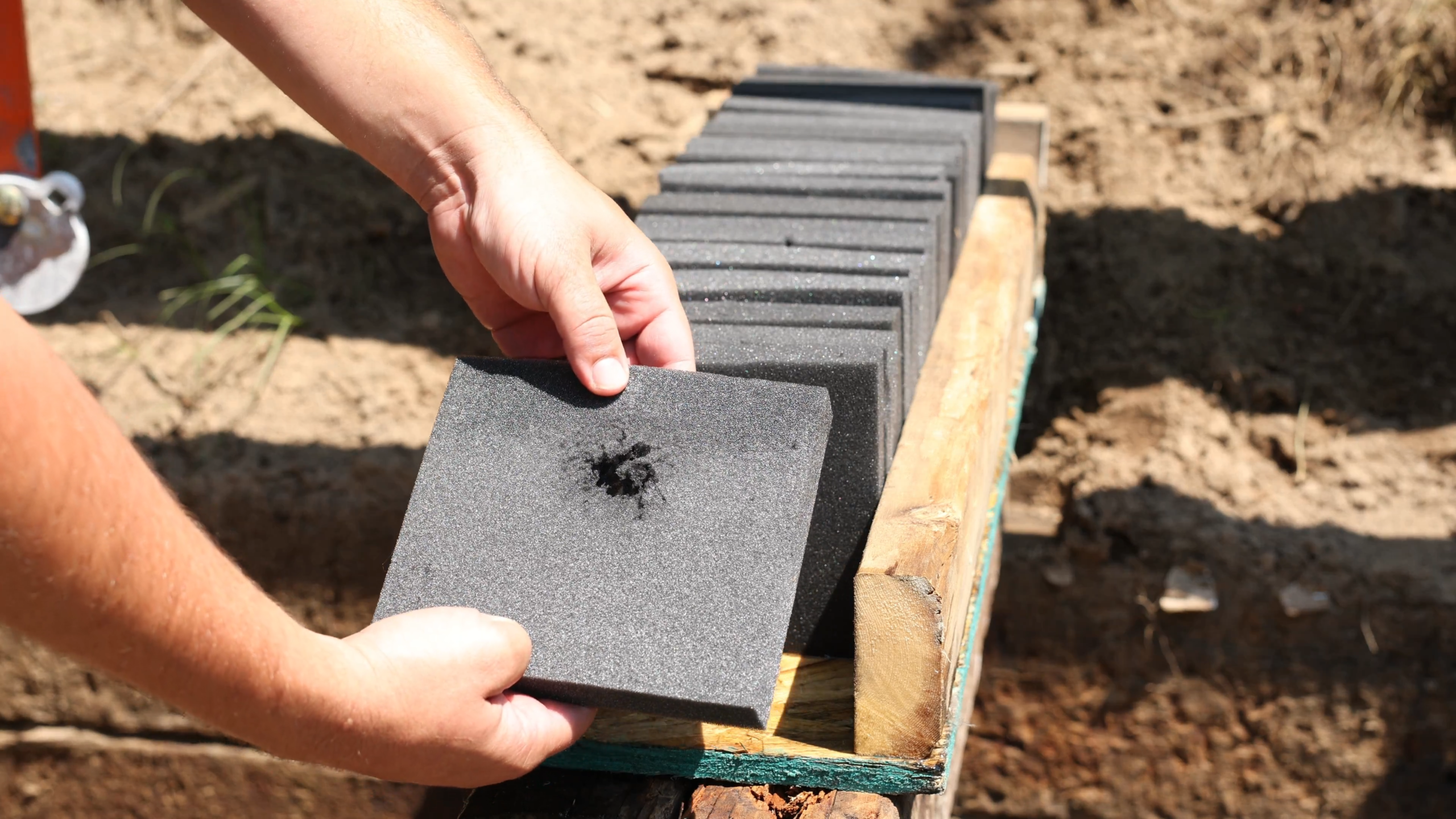
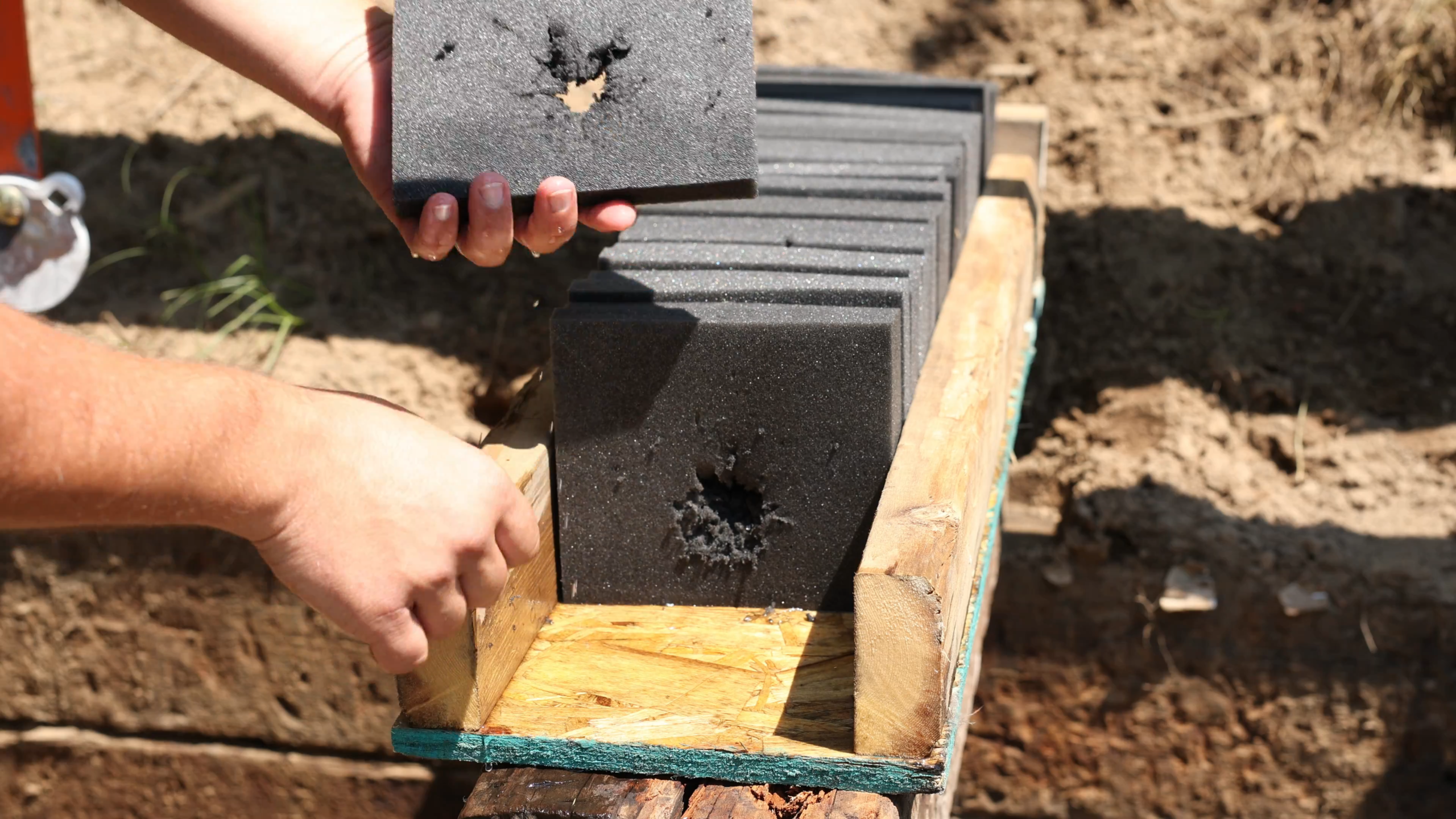
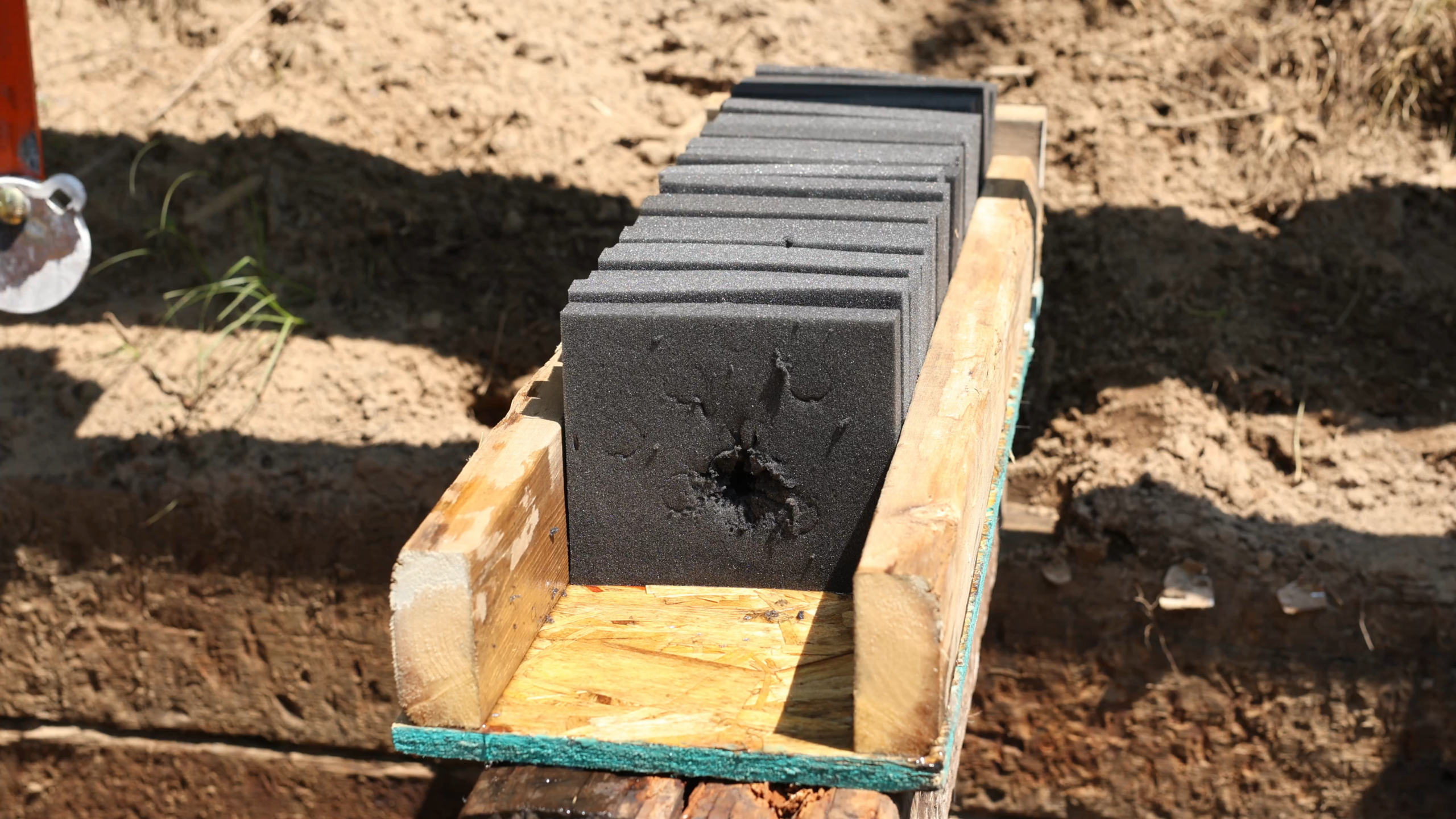
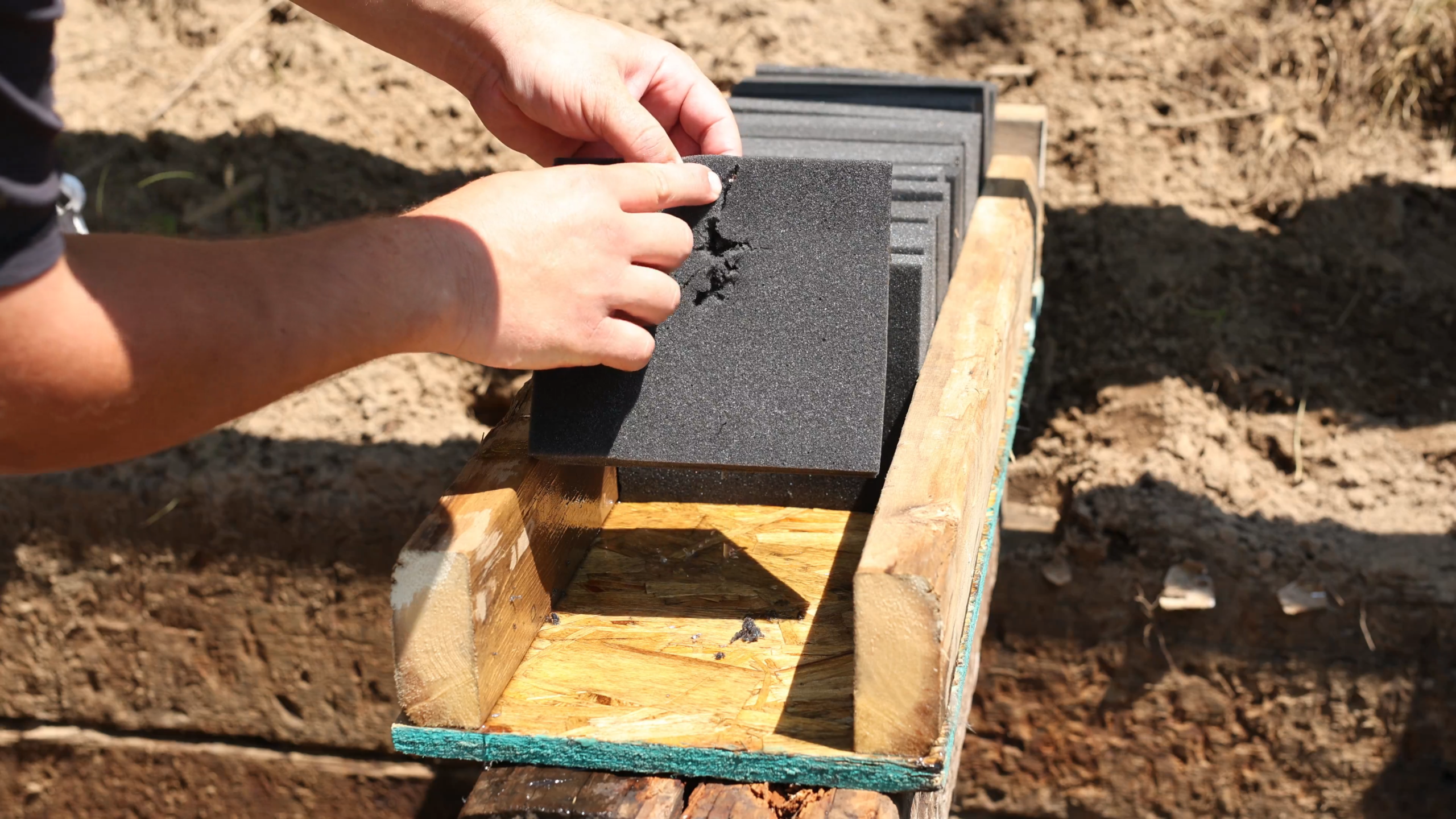
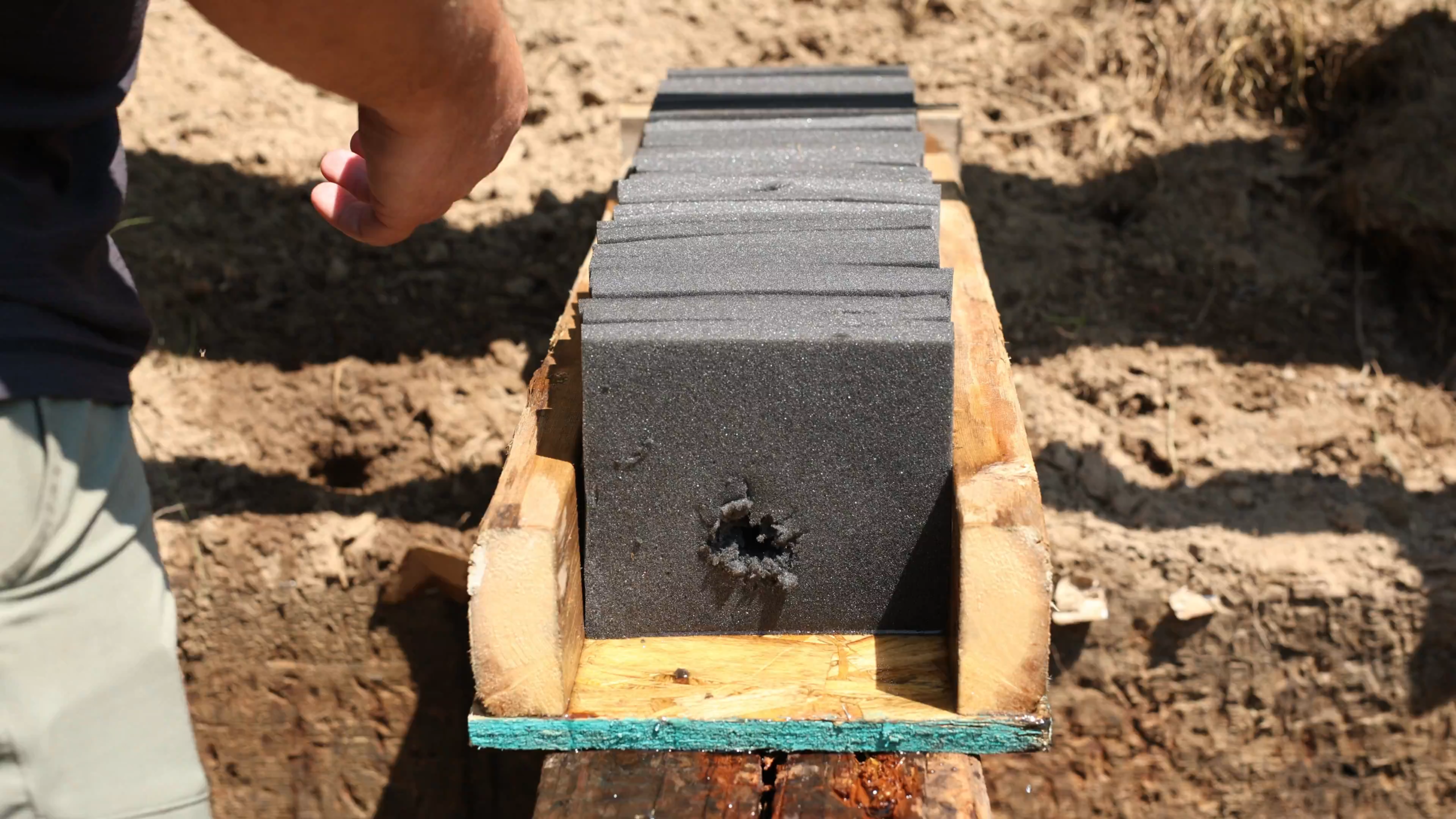
Our first target is 28, 1” layers of foam soaked in water like sponges. The idea with this target is not only to catch the bullets, but also to give us a good visual of how the bullets perform as they penetrate deeper and deeper.

123gr Hornady SST

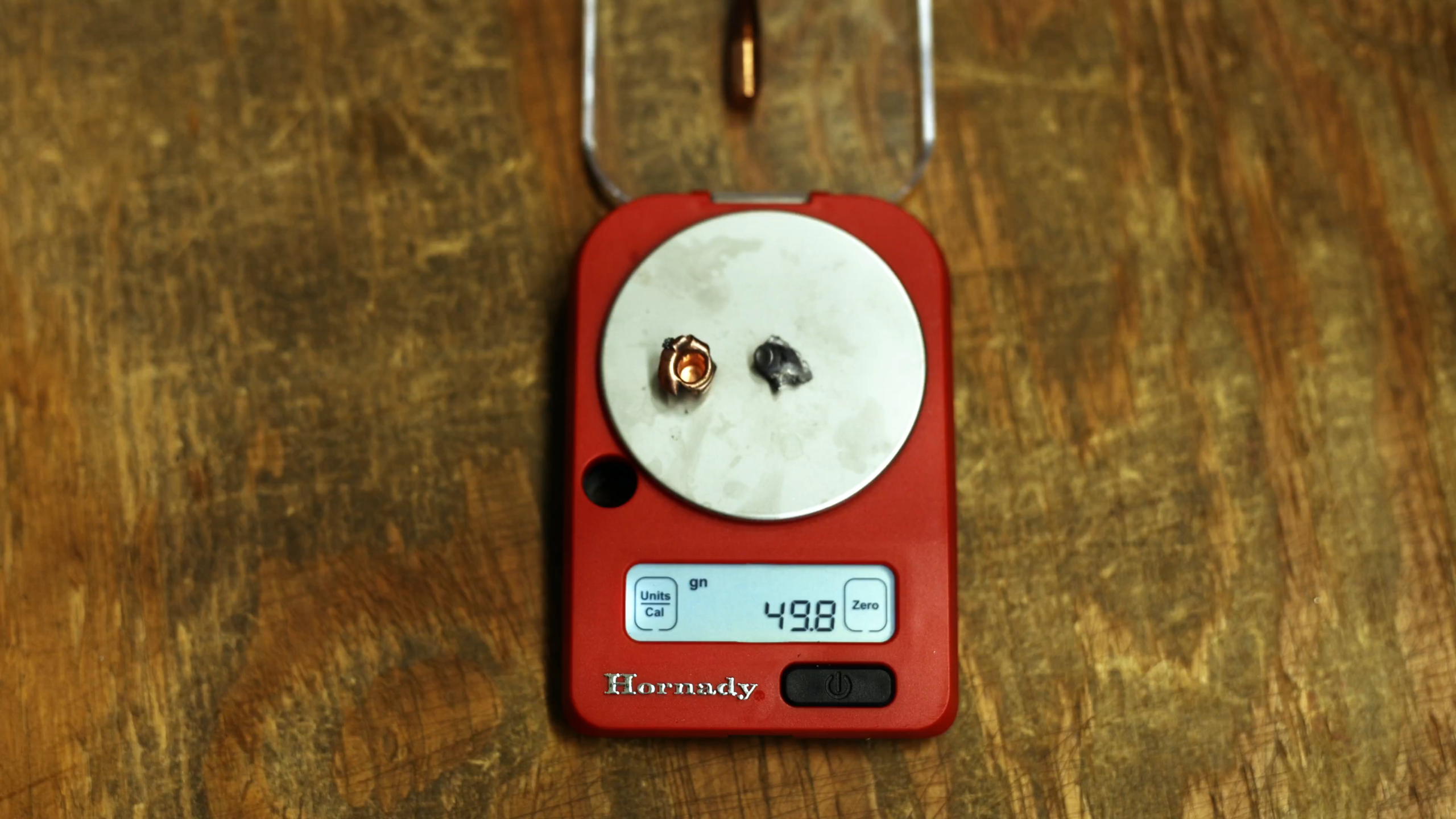
Remember, one of the things we were looking for was rapid expansion. Just a few inches in, we’re getting just that. By 5 inches in a really nice wound cavity has emerged and it’s also here that we first begin to notice bullet fragments. Passing through inches 7 and 8, you can see a bit of a shotgun pattern from the fragments visible in the foam. The wound channel at 9 inches begins to close down a little and in layer 10 we found a decent piece of the copper jacket. Throughout all of these layers of foam at this point we’re finding lead and copper fragments. Again, one of the things we were looking for was good weight retention and not too much fragmenting. It doesn’t appear like we’re getting that. In fact after recording the video, we went through the foam more closely and there was a lot not caught on camera. It was at 17 inches that the copper jacket, or what was left of it stopped. The lead core  continued on, but the jacket and core staying together was something we were going to keep an eye out for. It was in layer 23 that we found the remnants of the lead core. In total, the parts of the jacket and core that didn’t fragment off weighed 49.8gr. With a 123gr bullet, that’s 40% weight retention. With penetration of nearly 2 feet and looking at the overall condition of the foam, the SST definitely did some damage, but perhaps not exactly as advertised. 

115gr Barnes TAC-TX

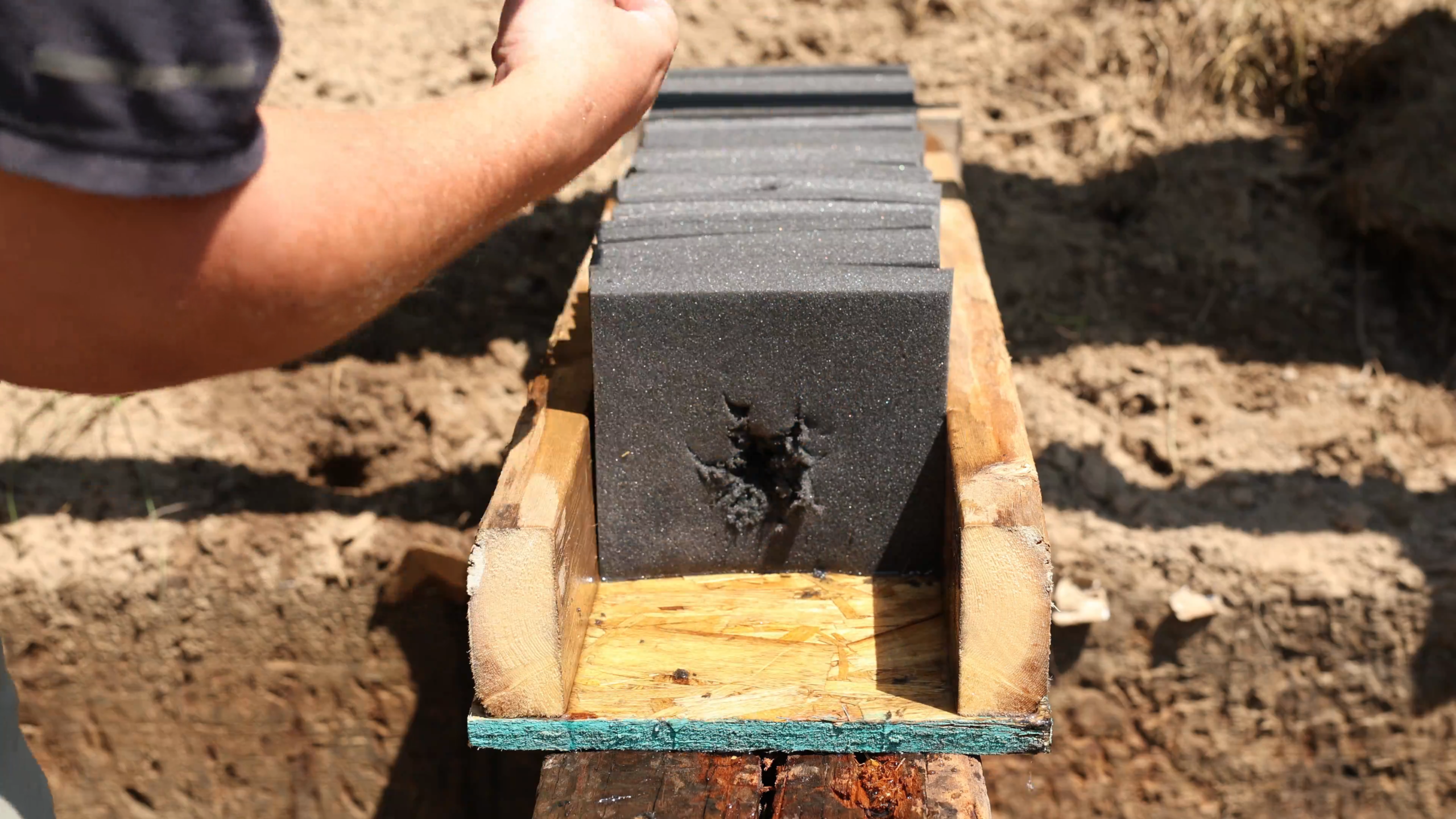
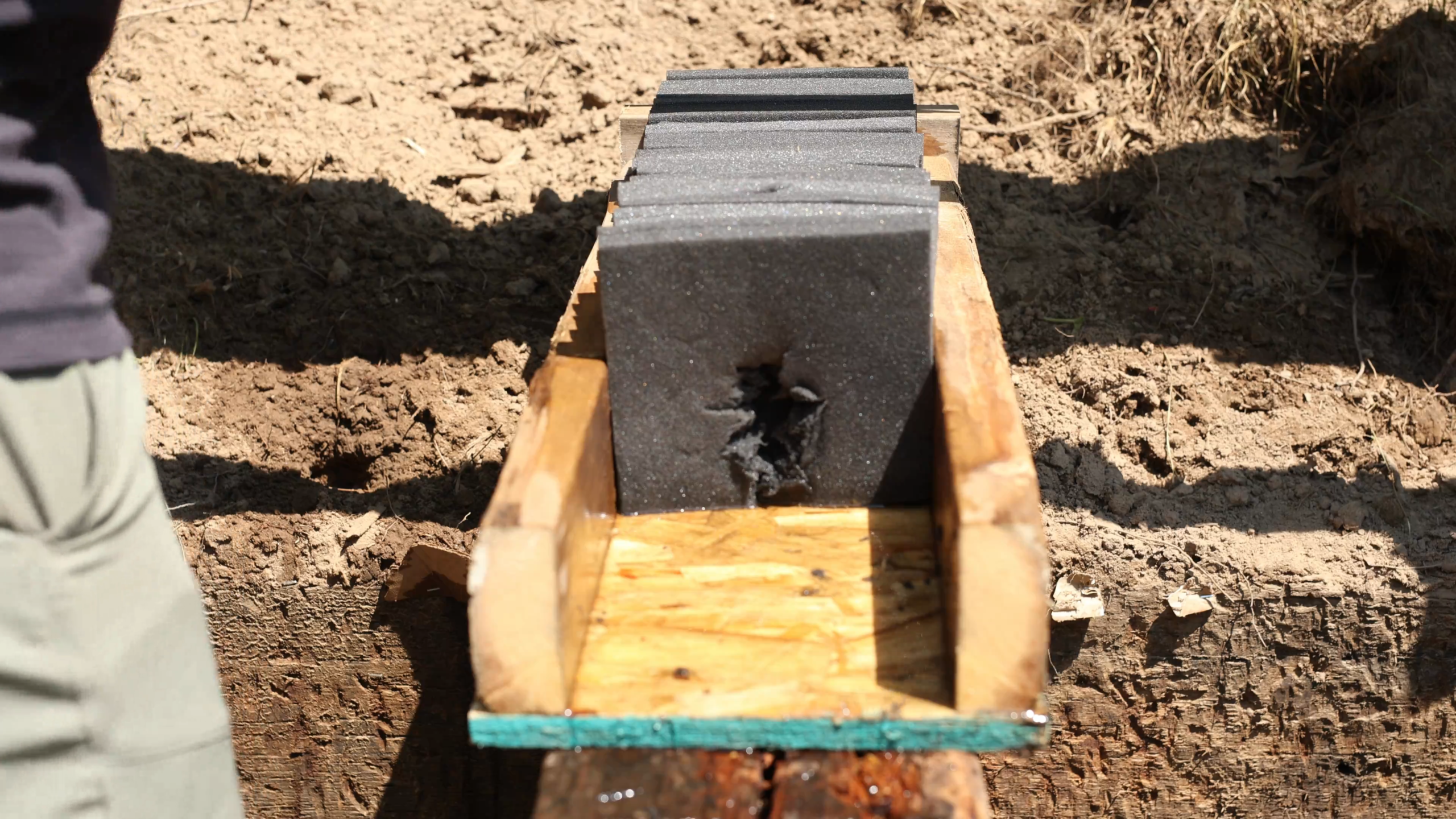
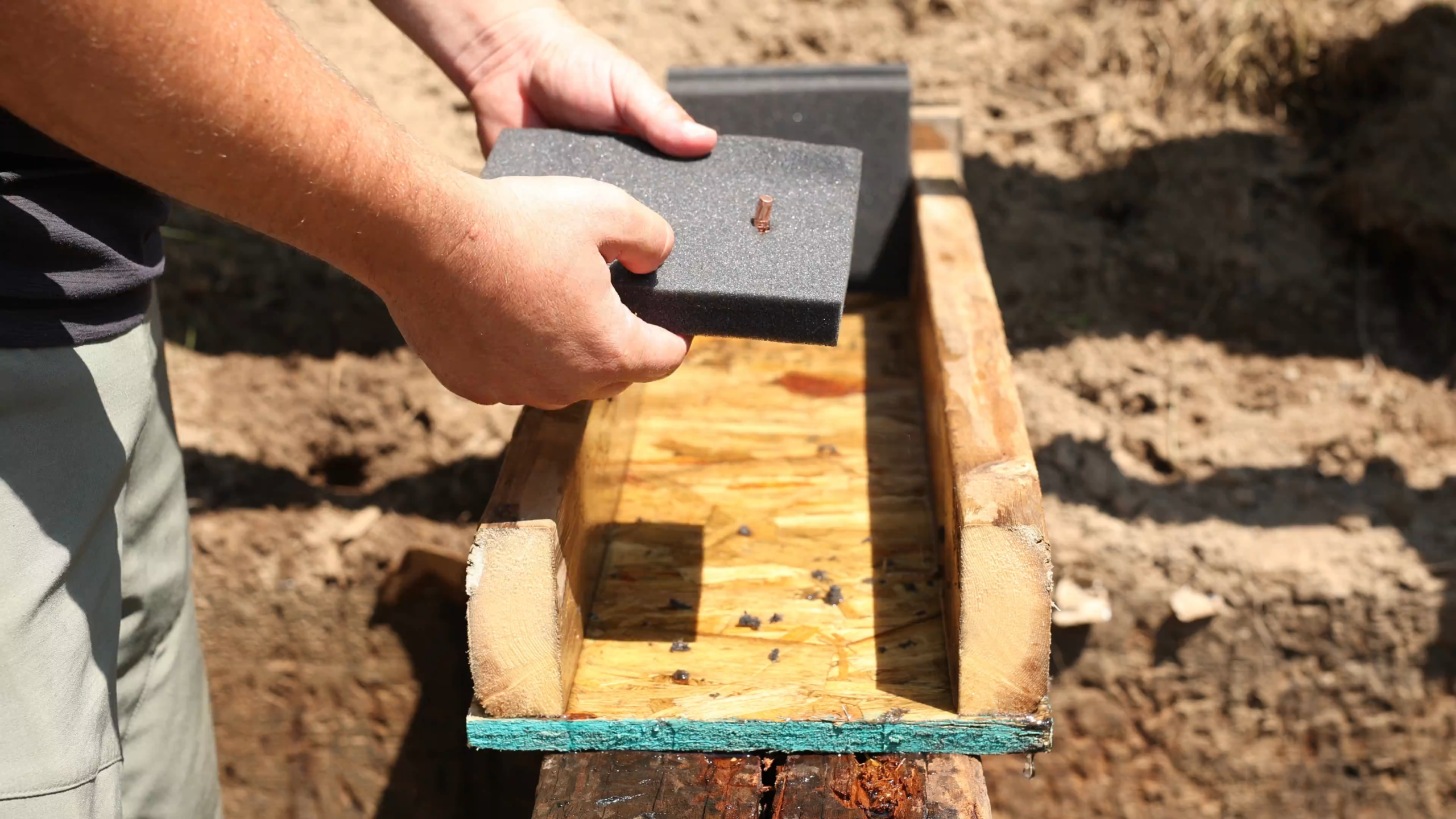
This bullet seems to expand right away, even a little quicker than the SST. Like the SST, by 5 inches in, there’s a heck of a nice cavity. Now with the SST, its cavity seemed to max out around 8 inches deep, but I’d say the TAC-TX did so in layer 9. So very similar in that regard, but the TAC-TX did noticeably more damage to the foam and  did it without fragmenting. In fact, throughout the peeling back of these layers, we couldn’t find anything for fragments. 18 inches in, you’ll notice something interesting that’s clearly visible in the foam. The bullet has begun to tumble and is going through the target sideways. It’s also starting to take a bit of a right hand turn. At 26” deep we find our bullet, but it’s almost turned back around towards us. As it turns out, the TAC-TX bullet did punch all the way through the 28” of foam and bounced off of the 2×6 on the back end. 

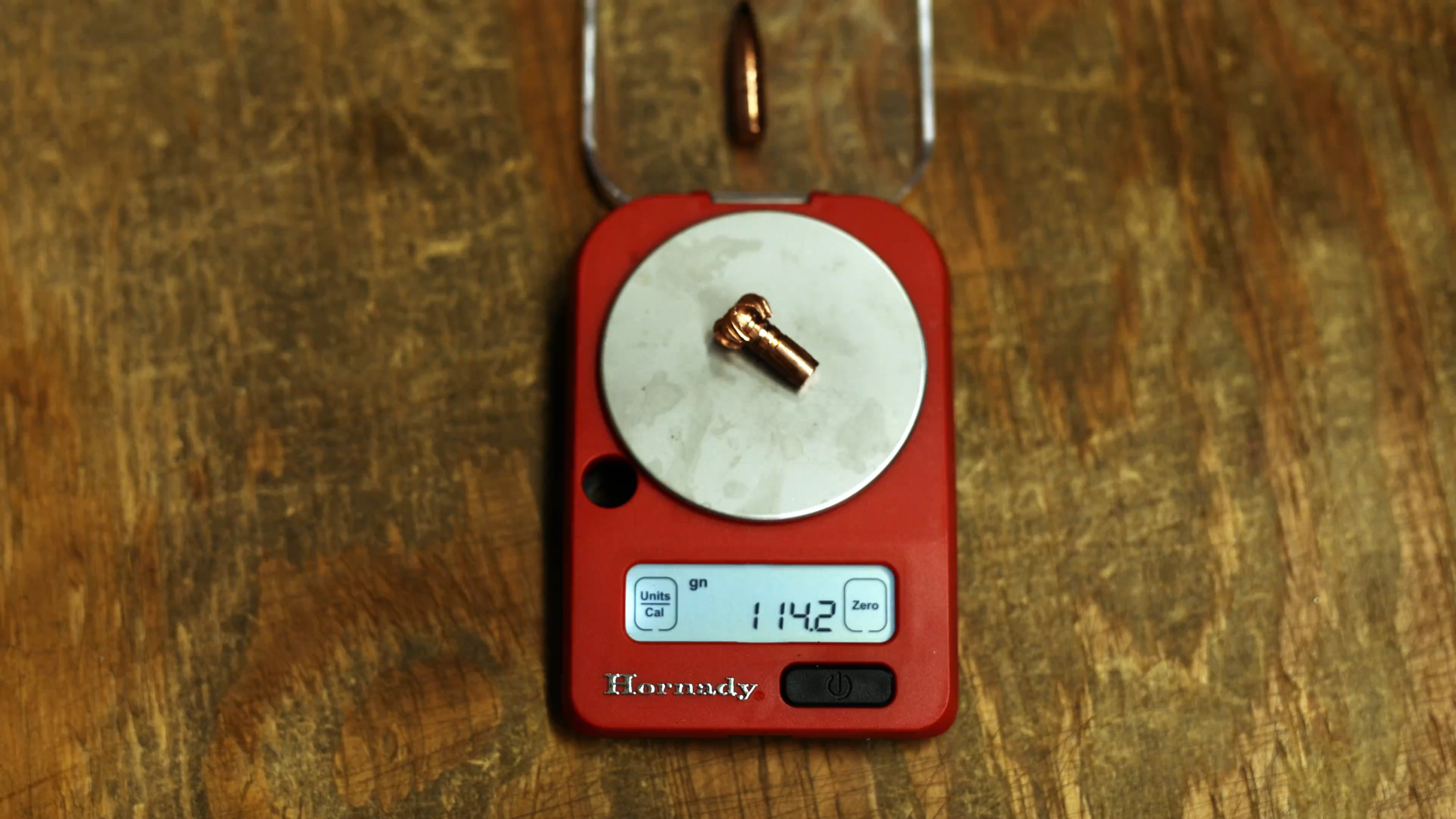
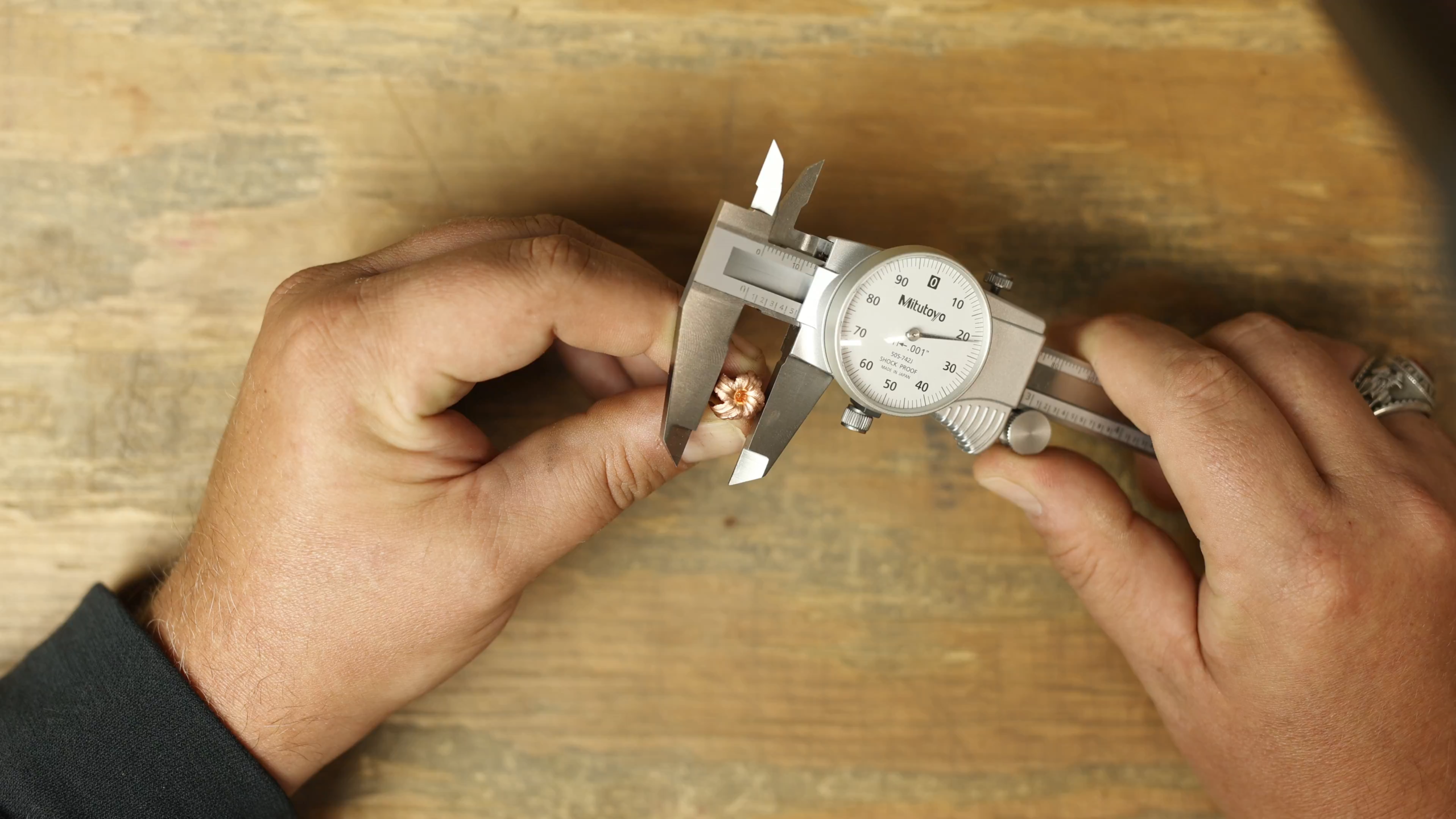
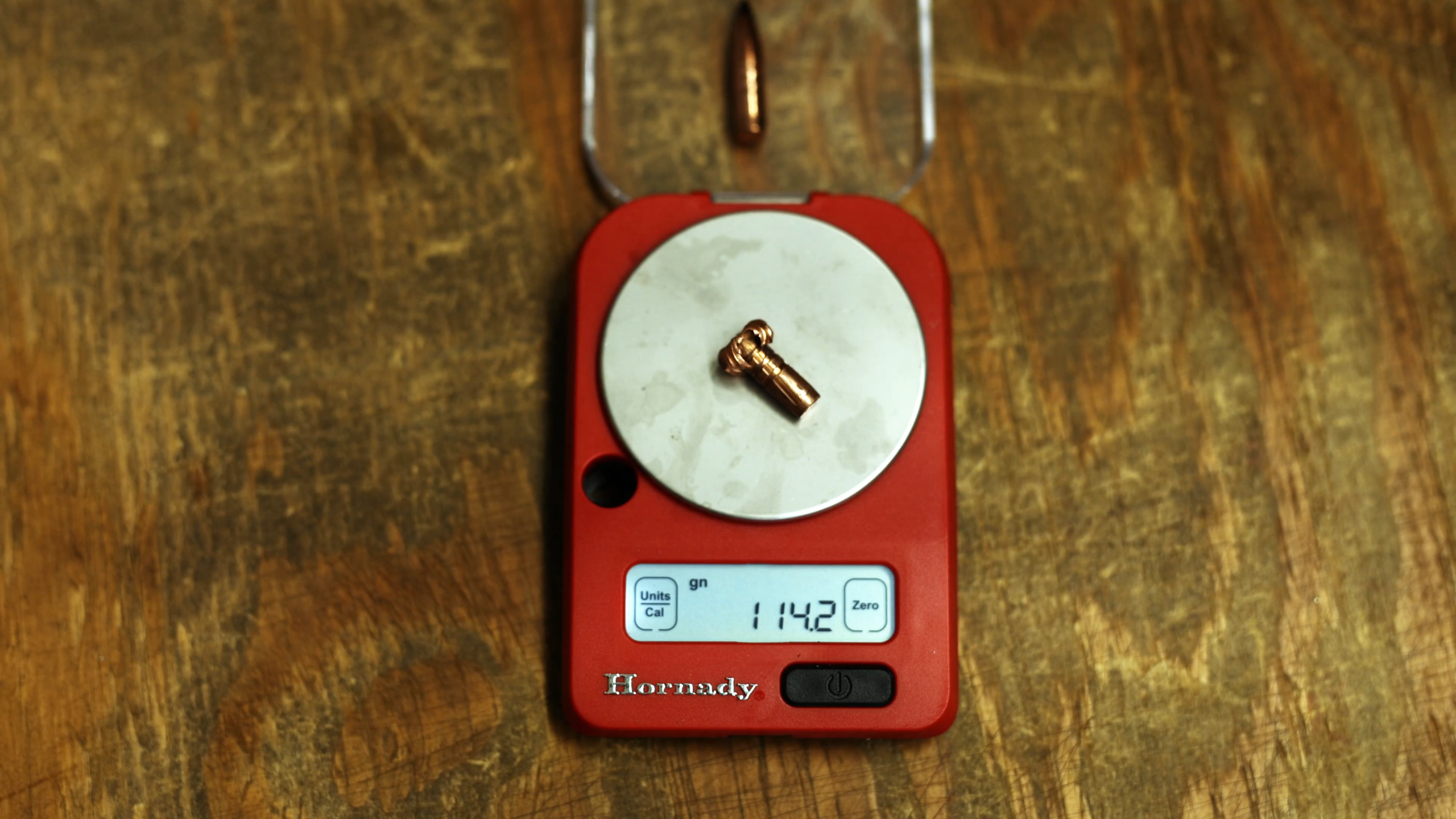
So with the Barnes bullet, we were looking for maximum weight retention which I’d say we got as it still weighed 114.2gr of its original 115. That’s better than the lead core bullet just as was claimed. We also wanted to see devastating energy transfer. Looking at the wound channel, especially in the first 10 inches, I’d give that claim a positive nod. Finally, we were looking for the diameter of the bullet to double in size. Well we measured it and going through saturated foam, we sure came close. It wound up being .521″, so 0.007″ less than double. Very close.

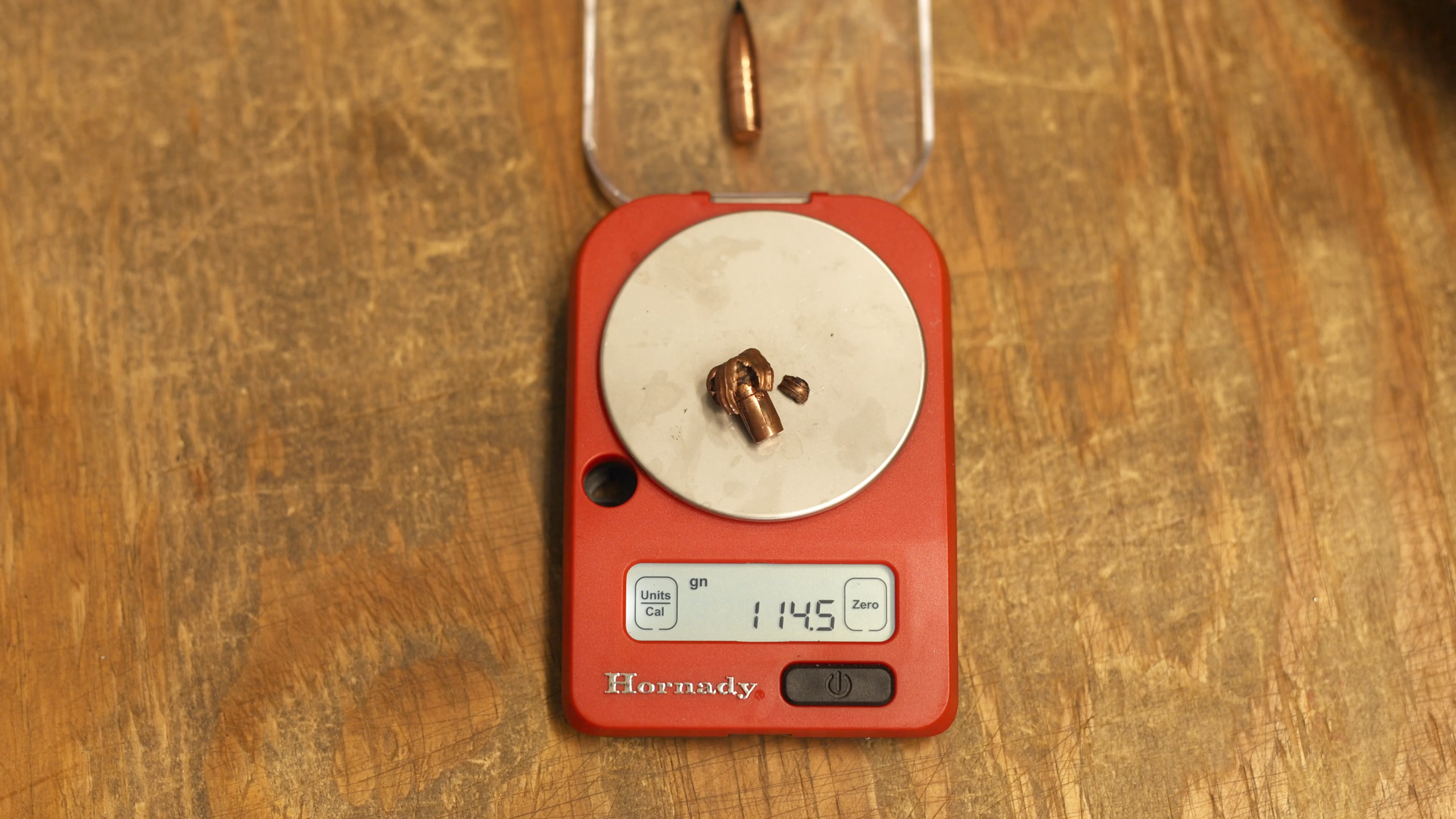
As and added bit of data, I’d like to show you one of these bullets my son recovered from a whitetail deer he shot. The little fragment broke off after it was recovered, but it weighs 114.5gr and has a diameter of 0.593” which is a bit more than double the original size. That particular deer dropped in its tracks. 

Test #2

The second target is a line of one gallon water jugs. Let’s see if the bullets perform any differently than they did going through the saturated foam.

123gr Hornady SST

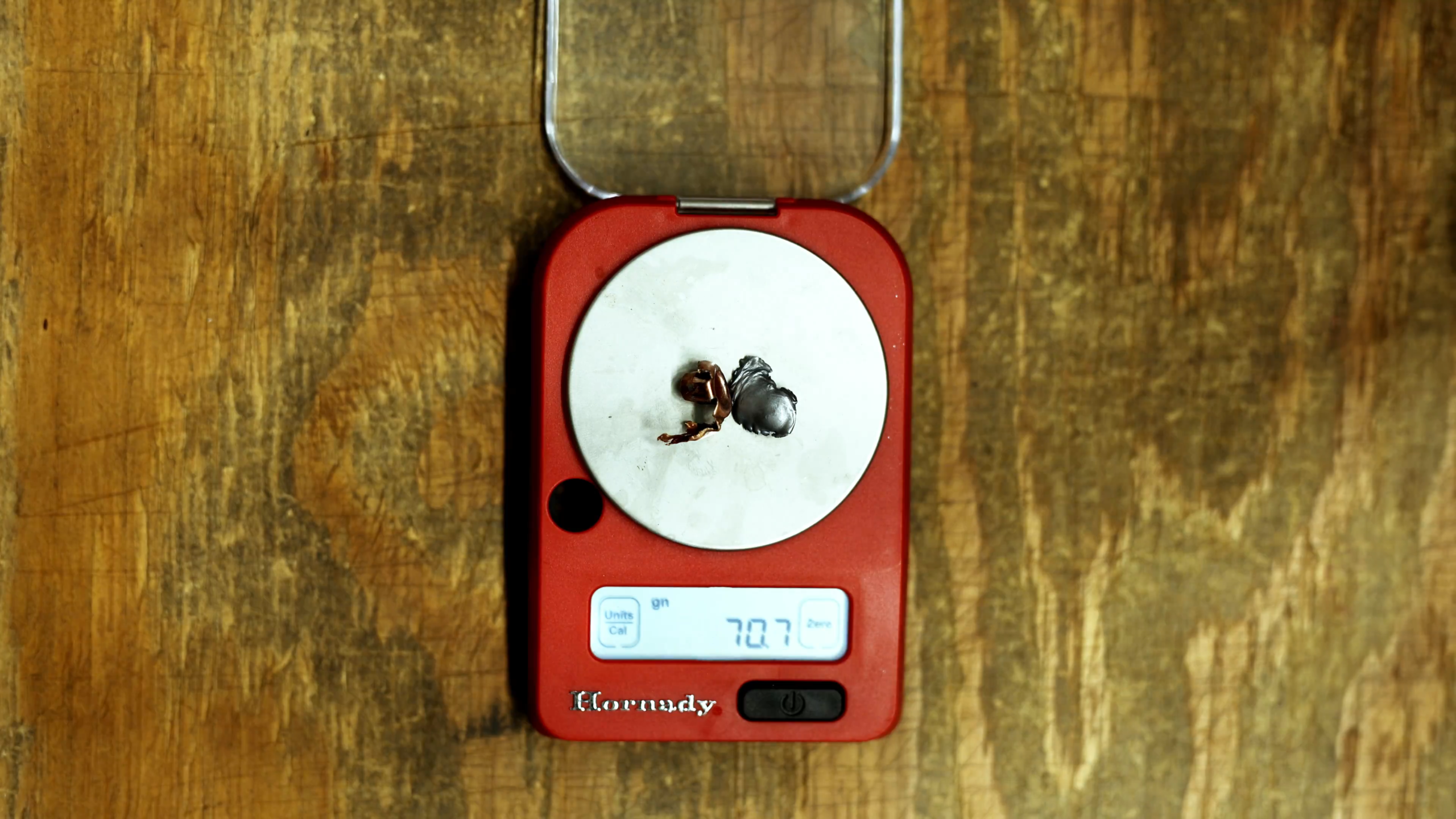
The SST exploded the first 2 water jugs and was captured in the 3rd. The bullet didn’t fragment as much in this test. The remainder of the copper jacket and lead core weighed 70.7gr for 57% weight retention. That’s definitely better than the first test, but I’m not sure if it qualifies as maximum weight retention if 43% of the bullet fragments off. 

115gr Barnes TAC-TX

The TAC-TX exploded the first 3 water jugs, penetrated all the way through the 4th and 5th and was captured in the 6th jug. It did actually poke a hole on the back side of the 6th, but stayed inside of it. Looking at the holes in the 4th, 5th and 6th jugs, it appeared as though once again this Barnes bullet may have been tumbling as it seems to have taken a turn up and to the right. As in the layered foam test, the bullet expanded very well to almost double its original diameter and had nearly 100% weight retention at 114.2gr.

Conclusion

It’s true enough that saturated foam and gallon jugs of water are not living animals, so let’s talk about that for a second. Personally, I’ve successfully used both of these loads in the 6.5 Grendel to take quite a few Wisconsin whitetails. In fact, the first deer I ever shot with a Grendel was with that SST bullet. That deer made it maybe 30 or 40 yards before collapsing and the blood trail was one of the best I’ve ever seen from any caliber I’ve killed a deer with. But another season I shot a deer, watched her collapse instantly, then get up and run off. The blood trail was poor on that one and seemed to be just an entrance wound. I shot that deer broadside from 30 yards but she ran a couple hundred yards before beading down to die. That being said, I’ve had far more good results with the SST than poor ones. Having talked to so many customers over the years, I’ve come to find that some people shy away from the SST and some people love it. We’ve actually got some customers, a gentleman and his twin daughters, who have taken everything from antelope to elk with the SST and even a big mule deer buck in excess of 650 yards. Though I might not encourage taking that particular shot myself, it’s still a real world result. They put the work in ahead of time and make good shots. 

For me personally, when Barnes came out with this 115gr load, I switched to it mainly so I’d be able to talk about it with customers. That must have been 5 or 6 years ago now and I haven’t looked back. Lots of deer have been dead right there.

Ballistics Data

We gathered these numbers from a 22” 6.5 Grendel at about 1,000ft above sea level on an 80 degree day with 50% humidity and 30 inches of mercury for the barometric pressure. 

One quick note as we jump into these numbers, the SST was slower than I expected. We were looking back at notes from the past and it was running 100fps slower than what we’ve recorded before. I know ammunition manufacturers change up their recipes sometimes based on available powders and they try to keep pressures and accuracy as consistent as possible, but it doesn’t always work. Perhaps that explains why this specific lot number was a bit slower than we’re used to. Just a little caveat I wanted to throw out there.

You can see here that the Barnes bullet starts out faster, but due to a superior B.C., the Hornady bullet overtakes it just after 150 yards. 

Both bullets start out with nearly identical amounts of energy, but again, due to the high B.C. of that SST, it maintains it better down range. The Barnes bullet hits 1,000ft/lbs at 275 yards and the SST makes it out past 350 yards before dipping below 1,000ft/lbs

For their trajectories, you can see  that they’re nearly identical out to 500 yards. If you continued this graph out to 1,000 yards, you’d see another significant advantage to the SST, but inside 500, they’re darn close.