
6.5 Grendel Ballistics | 120gr Nosler Ballistic Tip
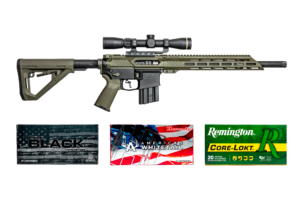
Caliber: 6.5 Grendel | Barrel Length: 22” | Test Distance: 100, 275 & 375 Yards
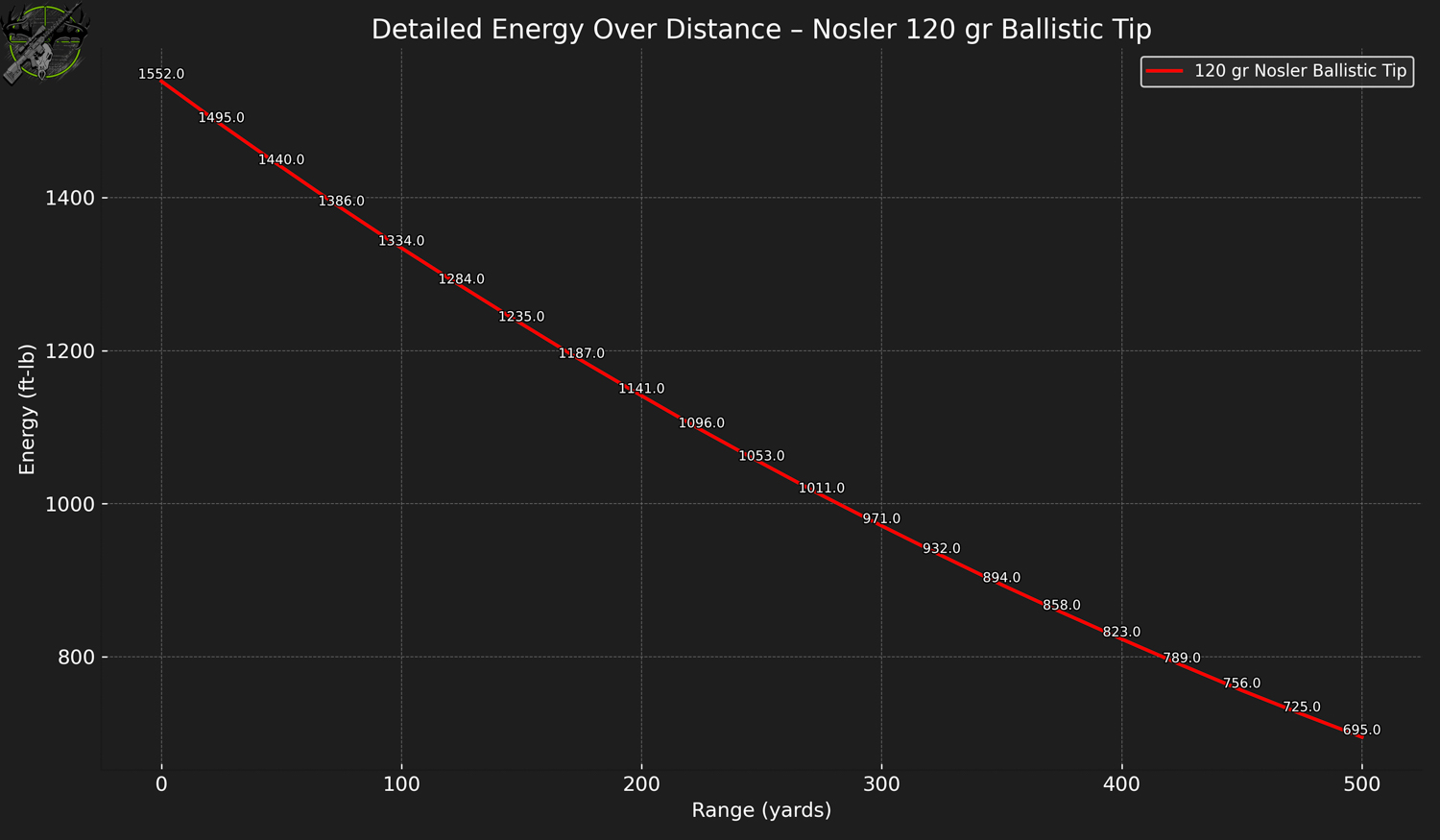
Bullet: 120gr Nosler Ballistic Tip (.458 B.C.) | Muzzle Velocity: 2,414 FPS | Muzzle Energy: 1,552 FT/LB | S.D. 20 FPS
Temperature: 80 ℉ | Humidity: 85% | Barometric Pressure: 29.8 inHg | Altitude 1,000 FT
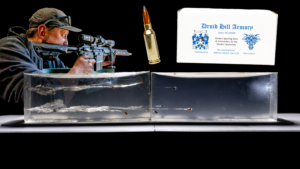
In this post and video we take a deep dive into the 120gr Nosler Ballistic Tip load for the 6.5 Grendel. We shoot it into ballistics gel at three different ranges to examine it’s expansion, energy transfer, weight retention and penetration.
First, we chose to shoot at 100 yards because somewhere around that range is where the vast majority of hunters take their shots. Testing at this distance makes sense.
Second, we chose 275 yards because based on our calculations, that’s the distance at which the bullet would drop to about 1,000ft/lb of energy. In modern times, this “yard stick” of 1,000ft/lb of energy for the ethical taking of medium size game has become pretty popular, so it’s a logical range to test a bullet at.
Finally, we chose 375 yards because that’s the range at which we calculate the bullet drops to a velocity of 1,800 fps. This is the minimum velocity at which Nosler says the ballistic tip bullet will still perform.
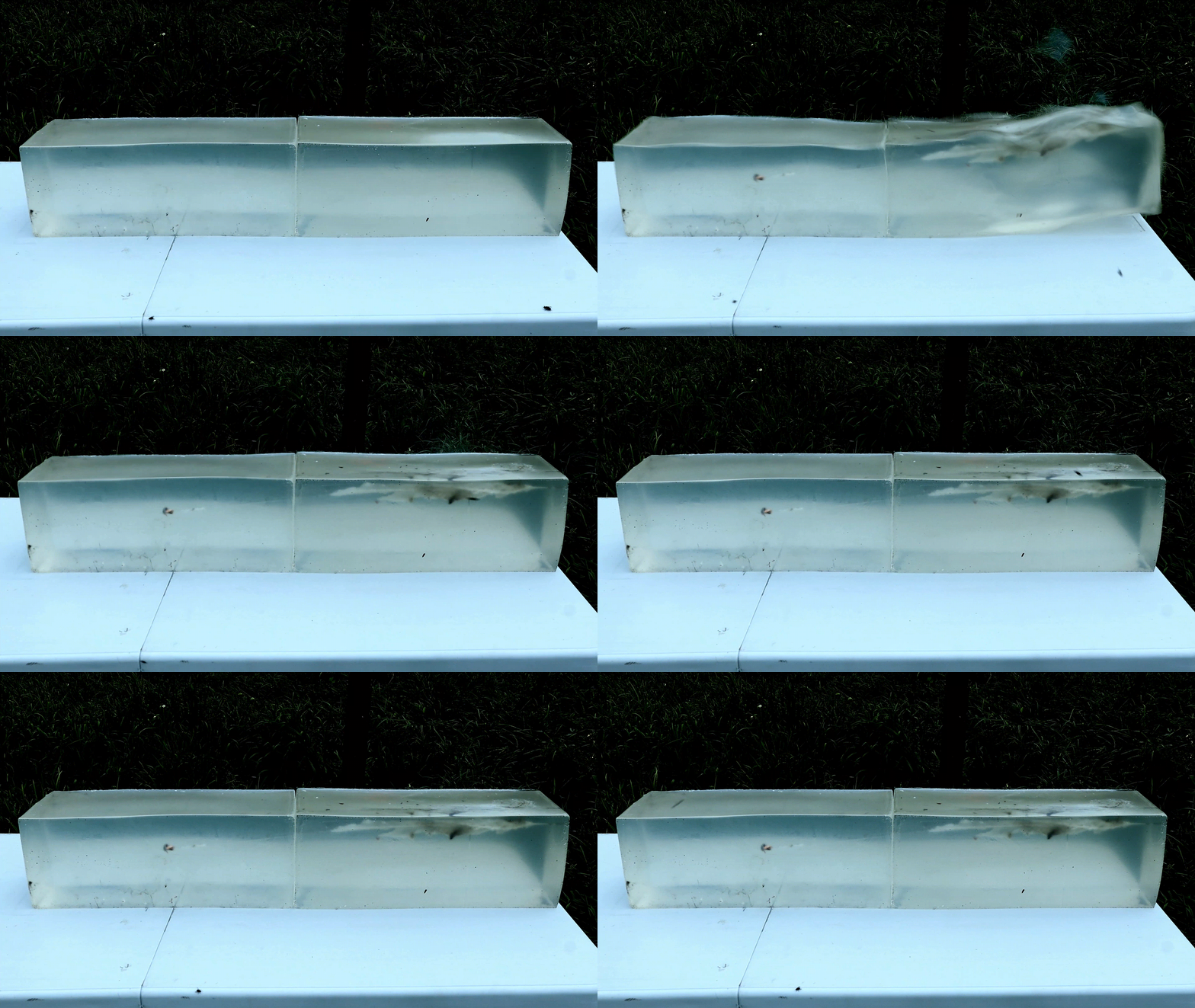
100 Yards
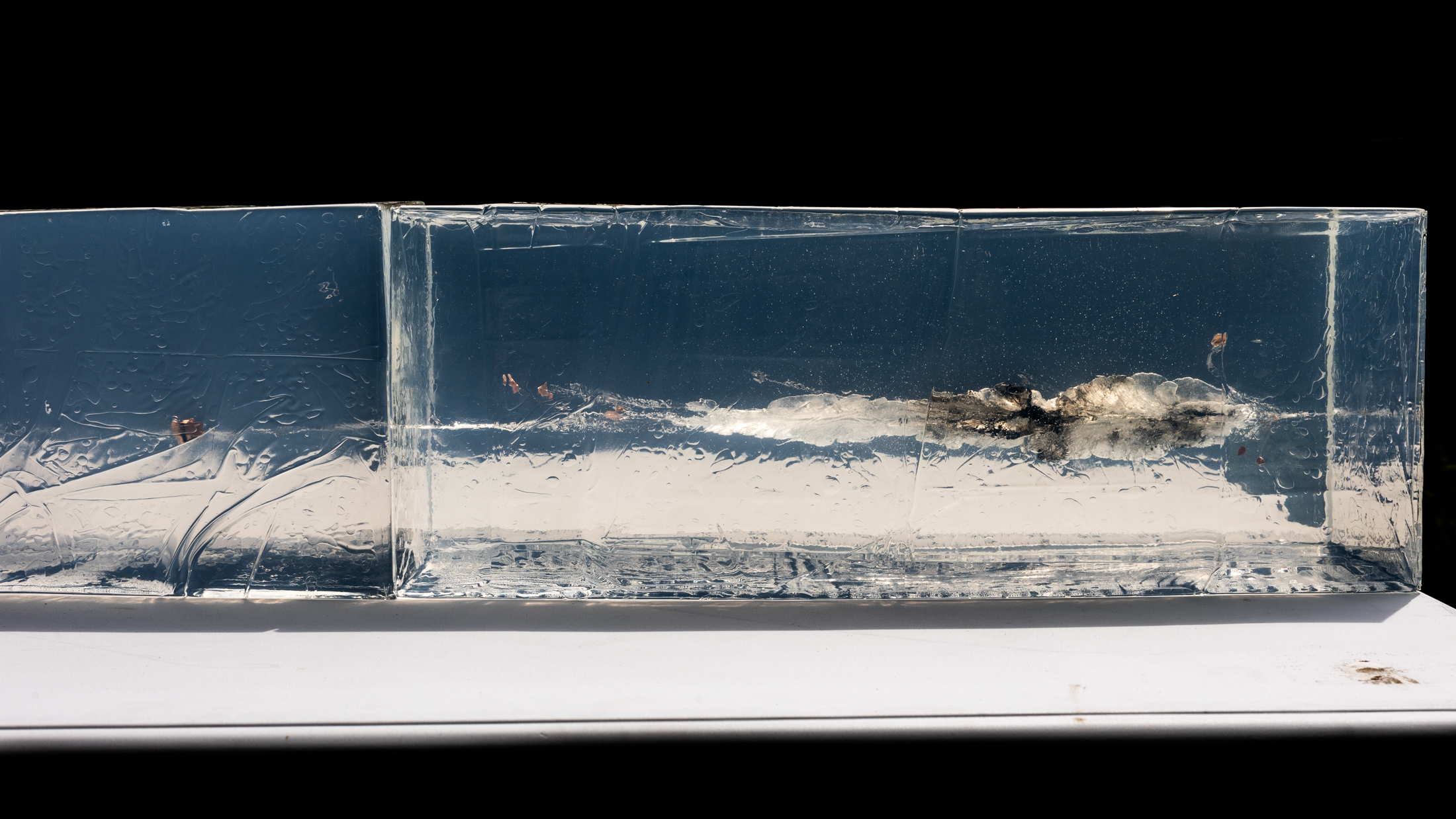
At 100 yards the bullet begins to expand about 1.5″ into the gel and sheds the tip and fragments of copper jacket within the first few inches. This is also where the main wound cavity begins to form and extends at full diameter out to about 7″. From 7″ – 10″ the cavity begins to close, but is still decent. In the 12″ – 14″ area of the ballistics gel block we notice more copper jacket fragmenting off. Throughout the channel up to this point there are quite a few very small lead fragments as well. Ultimately, the bullet penetrated almost 20″, well into our second block of gel.
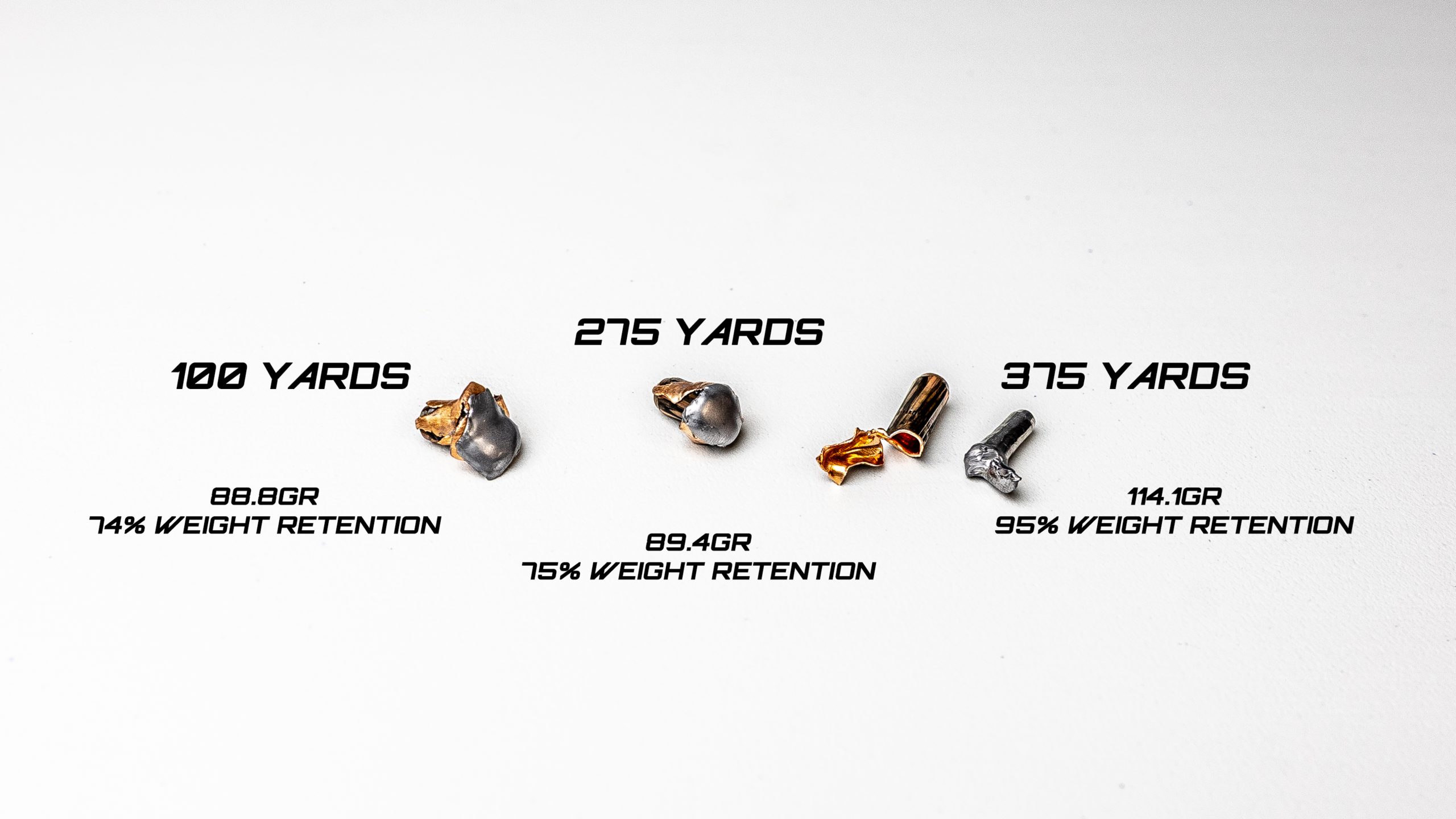
Expansion on the 100 yard bullet was .644″ or 2.44x it’s original diameter. It maintained 74% of its weight at 88.8gr.
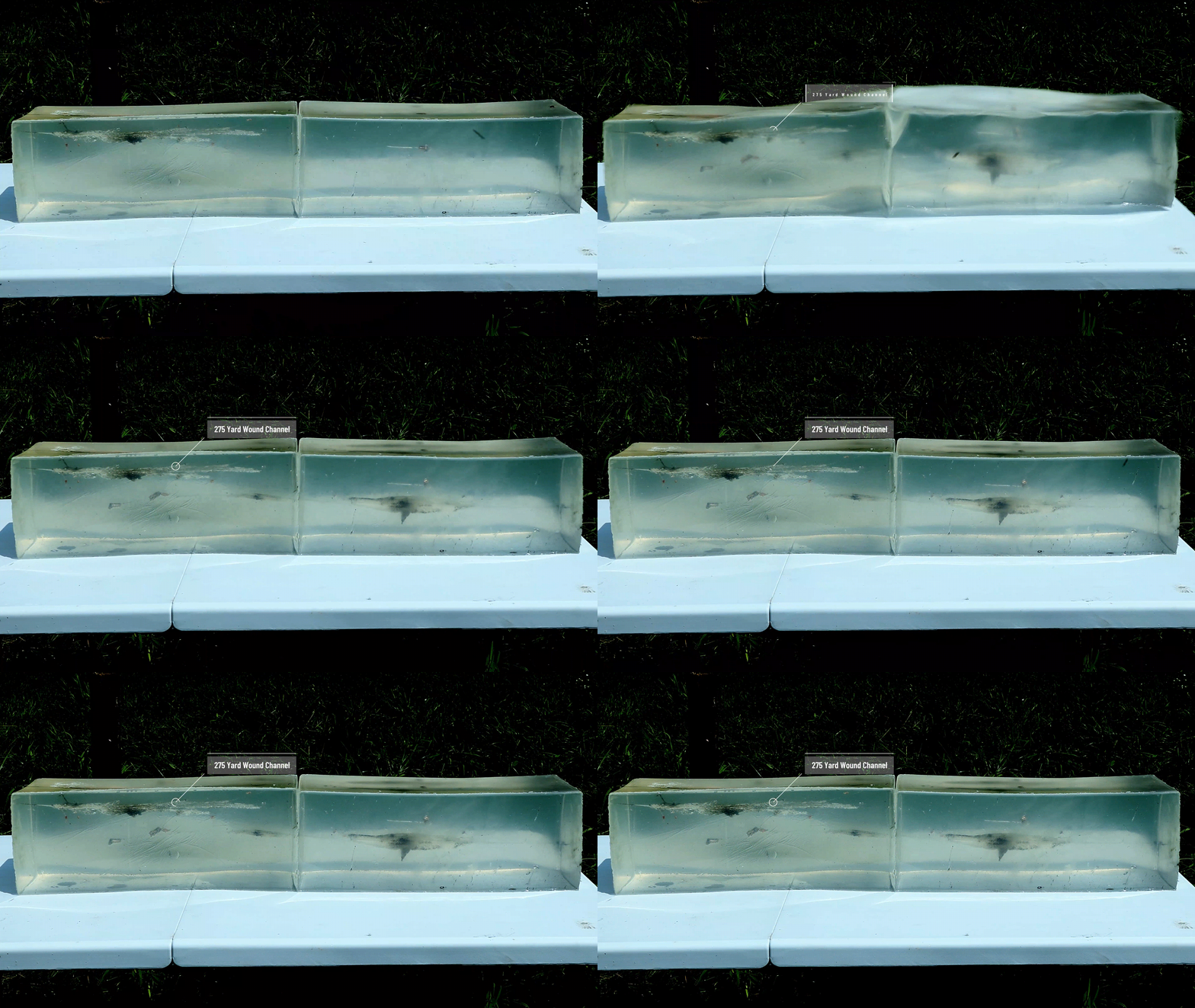
275 Yards
With the gel now at 275 yards, the 120gr Nos BT in 6.5 Grendel is hitting with 1,000ft/lb. Initially, the bullet seems to perform very similarly to how it did at 100 yards. About 2″ in or so, it begins to open up, shed the tip and lose a few copper fragments. Once again we see lead fragments throughout the cavity all the way out to 18″. And like the in the 100 yard test, additional fragments of jacket are visible near the end of the first block. The big differences are that the wound cavity at 275 yards is a couple of inches shorter and perhaps hot quite are large in diameter, but the bullet penetrated 4″ further to 24″.
Expansion on the 275 yard bullet was .488″ or 1.85x it’s original diameter. It maintained 75% of its weight at 89.4gr.
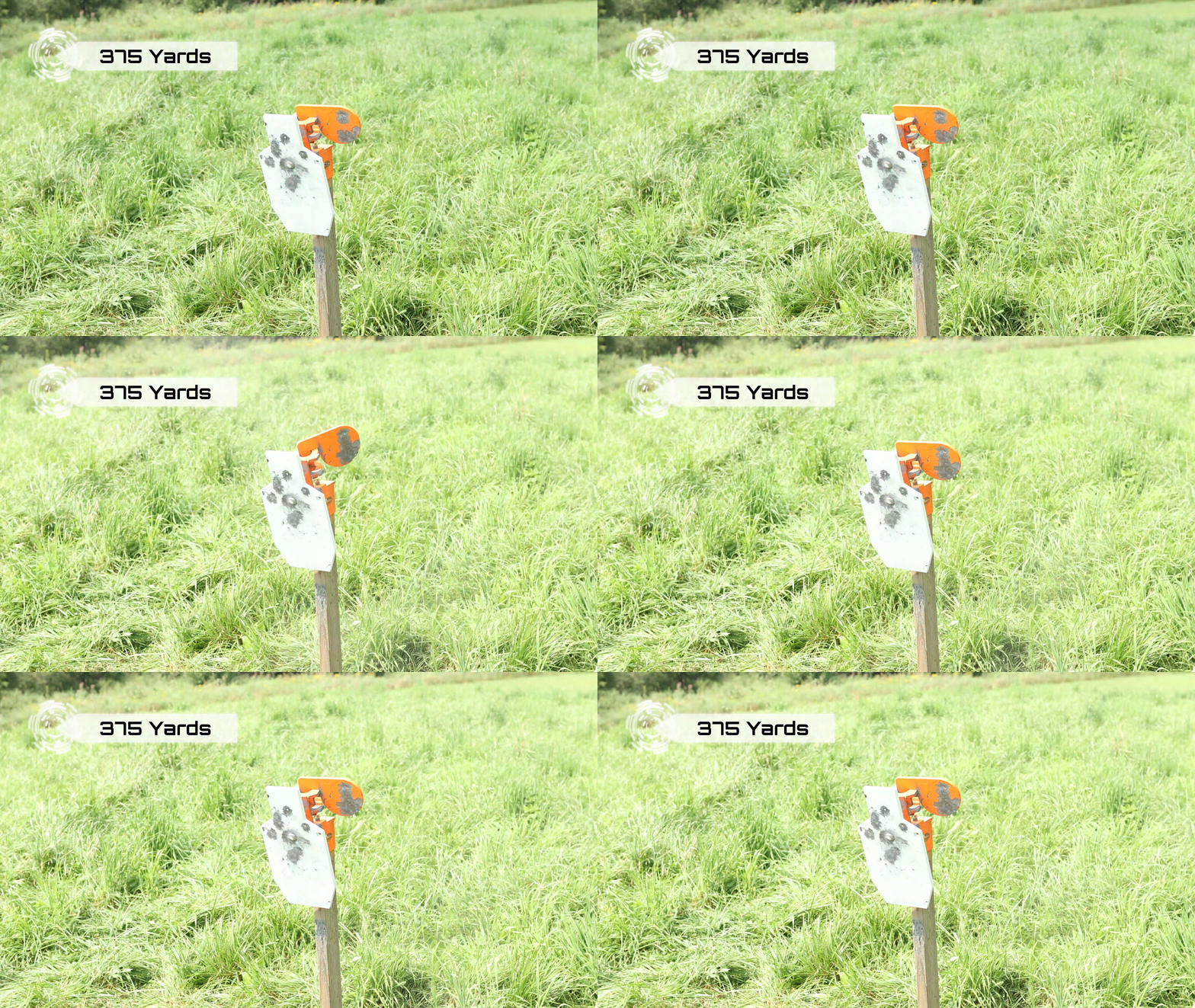
375 Yards
For the final test we’re shooting at a distance of 375 yards where the bullet has a velocity of 1,800fps, the minimum speed at which it is supposed to perform. This time the bullet is behaving differently than it did at 100 and 275 yards. It penetrates a full 6″ into the gel before opening up a wound cavity. That cavity is noticeably smaller in diameter than the other two and short, stretching from 6″ to about 11″. The amount of fragments in this target are greatly reduced and the bullet made it all the way to 28″ deep. Or at least the lead core did. The copper jacket was shed entirely and stopped at 25″.
Trying to find a fair way to measure the expansion of the 375 yard bullet proved difficult. It did expand, sort of, but mostly I think it tumbled. For weight retention, the remnants of the jacket and core together weighed 114.1gr or 95% its original weight.
Accuracy
Before shooting the ballistic gel, we began our testing by shooting the 120gr Nos BT through a chronograph to gather velocity data and check group sizes at 100 yards. It shot consistently in the 0.6 – 0.7 MOA range. We even sent some rounds at a 4″ steel target when we were shooting at 375 yards just for fun. Though we didn’t measure it, looking at where the bullets were hitting, it was shooting 0.6 MOA or so out there as well.
Charts